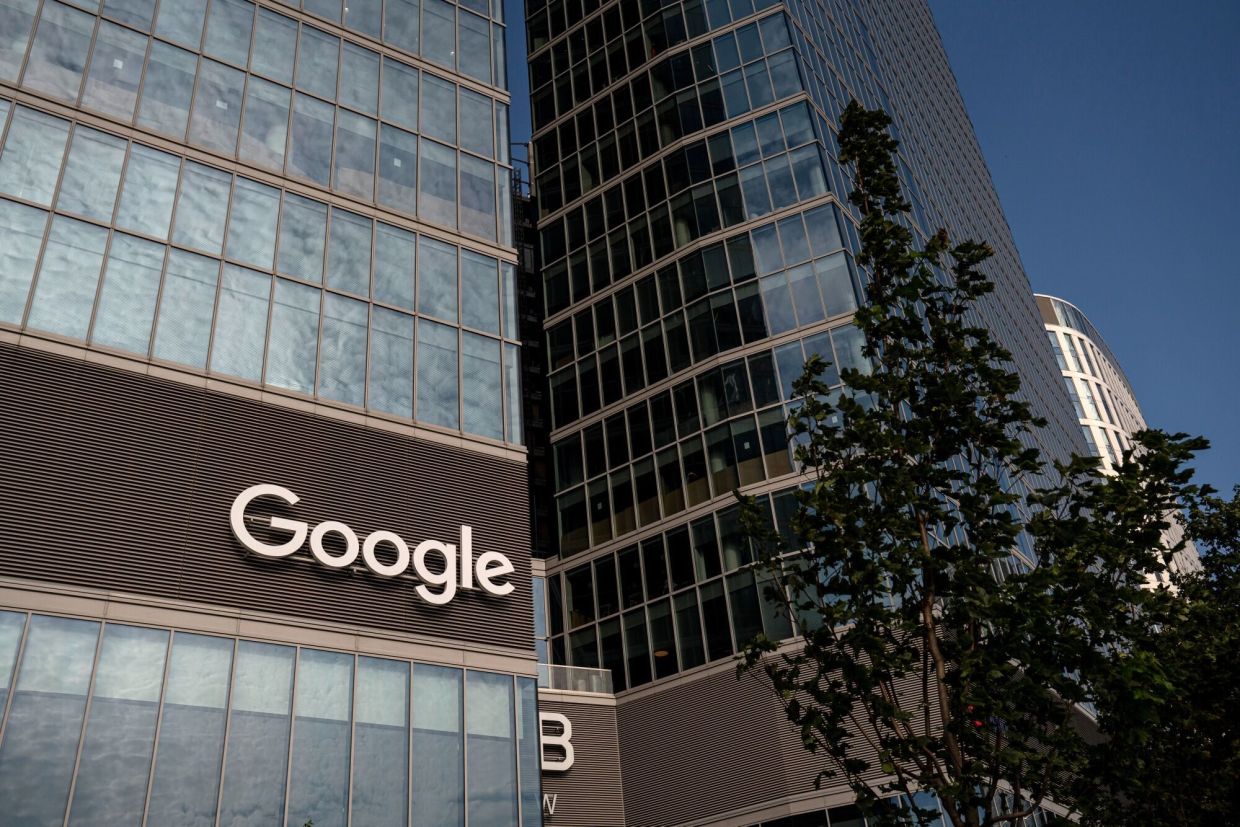
The contradiction at the heart of Google's operations has become impossible to ignore: the search giant markets artificial intelligence recruitment tools to corporations worldwide as a way to streamline hiring and identify top talent efficiently, yet internally, some of its own researchers have lost faith in these very systems. Google DeepMind's AGI Safety and Alignment Team, a unit specifically tasked with addressing risks posed by advanced artificial intelligence, has taken the unusual step of instructing job candidates to circumvent the company's automated screening processes by completing a supplementary form, effectively admitting that the company's HR filters cannot be trusted.
The internal document, which carries an explicit instruction not to be shared widely, reveals a startling gap between marketing claims and operational reality. The team acknowledged straightforwardly that applicants face a genuine risk of having their resumes rejected incorrectly by Google's AI systems, or of languishing in a queue so long that human reviewers never actually examine their qualifications. This disclosure represents a rare moment of institutional candour about the limitations of AI in high-stakes decision-making contexts. The workaround—a direct submission form that guarantees a human team member will review the application—suggests the researchers view their company's standard hiring infrastructure as fundamentally flawed when it comes to identifying suitable candidates.
Google's official response attempted to downplay the concern, with a company spokesperson denying that the systems produce incorrect screening outcomes and characterising the special form merely as an expedited pathway to hiring managers rather than an admission of systemic failure. However, the very existence of such a workaround contradicts this position. If the automated systems were functioning reliably, there would be no need for a bypass mechanism. The fact that one of the company's most technically sophisticated teams—specialists in AI safety, no less—felt compelled to create an alternative application route speaks volumes about their confidence in the technology they are ostensibly designing to be safer and more reliable.
This situation illuminates a broader tension in the technology industry. Corporations have rapidly integrated AI into hiring workflows, marketed it as a solution to human bias and inefficiency, and sold these systems to thousands of enterprises seeking to manage ever-growing application volumes. Yet the actual performance of these tools in practice remains largely opaque to the public, and apparently, even to the scientists working within the same organisation that created them. Google's Workspace division, for instance, actively promotes AI capabilities to businesses as a means to streamline recruitment—drafting job postings, evaluating resumes, and forecasting hiring requirements. These are presented as straightforward productivity enhancements that reduce workload for human resources professionals.
However, mounting evidence suggests that algorithmic hiring systems carry significant risks that corporate marketing materials rarely acknowledge. An investigation by Bloomberg examining OpenAI's ChatGPT revealed troubling patterns suggesting the system exhibited potential bias related to applicants' names. Meanwhile, Workday Inc, a major provider of workplace management software including hiring tools, now faces legal action alleging that its AI systems systematically discriminate against candidates based on race, age, and disability status. These are not hypothetical concerns but concrete allegations of unlawful discrimination in a process that affects millions of people seeking employment. Workday has denied wrongdoing and maintained that human decision-makers ultimately determine hiring outcomes, though the company declined to provide additional comment on the specific allegations.
The problem extends beyond potential discrimination embedded in training data or algorithmic logic. Job candidates have begun leveraging AI tools themselves to game these filtering systems, submitting applications generated or significantly enhanced by language models in hopes of improving their chances of clearing the automated gates. This creates a strange feedback loop where AI-generated applications are screened by AI systems, potentially favouring stylistic patterns that emerge from machine learning models rather than genuine qualifications or original thinking. The DeepMind team recognised this risk and took action, advising applicants that their chances of success would actually diminish if they relied on large language model responses, noting that hiring team members grow fatigued by the homogeneous quality of such submissions.
For Southeast Asian job seekers and professionals in the region, these developments carry particular implications. As multinational technology companies expand operations across Asia and recruit talent from universities and tech hubs in Malaysia, Singapore, India, and beyond, many are implementing these very AI hiring systems. A candidate in Kuala Lumpur or Singapore applying for a position at a Google office or a company using Google's recruitment tools could easily be filtered out by a system that even Google's own researchers view with scepticism. The opacity of these processes means that applicants have no way of knowing whether they were rejected on merit or eliminated by a malfunctioning algorithm.
The broader cultural and economic implications deserve consideration as well. Hiring is fundamentally about opportunity and access. When artificial intelligence systems filter applications before human eyes ever see them, there exists enormous potential for capable individuals to be excluded from opportunities through no fault of their own. This is especially concerning in competitive hiring environments where thousands of qualified applicants pursue limited positions. An incorrectly filtered resume might represent someone's best chance at career advancement, economic mobility, or fulfilling work.
The fact that Google DeepMind's team felt obliged to create a workaround also raises questions about governance and accountability within technology companies. If the developers of AI safety systems themselves lack confidence in their company's hiring technology, what confidence should the broader business world have in these tools? And what regulatory oversight exists to ensure that these systems, which have profound consequences for individuals and organisations alike, actually function as intended?
Looking forward, this episode suggests that the technology industry's rush to deploy AI across all business functions may have outpaced both the development of genuinely reliable systems and the establishment of adequate safeguards. As more companies invest in automated recruitment, the potential for systemic errors and discrimination increases exponentially. The irony that Google—a company whose entire business model depends on sophisticated data processing and algorithmic decision-making—cannot confidently rely on its own hiring filters should give pause to executives and policymakers worldwide considering similar implementations.

