%22%2F%3E%3C%2Fpattern%3E%3C%2Fdefs%3E%3Crect%20width%3D%22100%25%22%20height%3D%22100%25%22%20fill%3D%22url(%23phi01xg)%22%2F%3E%3Crect%20width%3D%22100%25%22%20height%3D%22100%25%22%20fill%3D%22url(%23phi01xp)%22%2F%3E%3Ctext%20x%3D%2250%25%22%20y%3D%2250%25%22%20text-anchor%3D%22middle%22%20dominant-baseline%3D%22central%22%20fill%3D%22rgba(255%2C255%2C255%2C0.95)%22%20font-family%3D%22Georgia%2C%20'Times%20New%20Roman'%2C%20serif%22%20font-weight%3D%22700%22%20font-size%3D%22136%22%20letter-spacing%3D%22-0.02em%22%3EGovernment%3C%2Ftext%3E%3C%2Fsvg%3E)
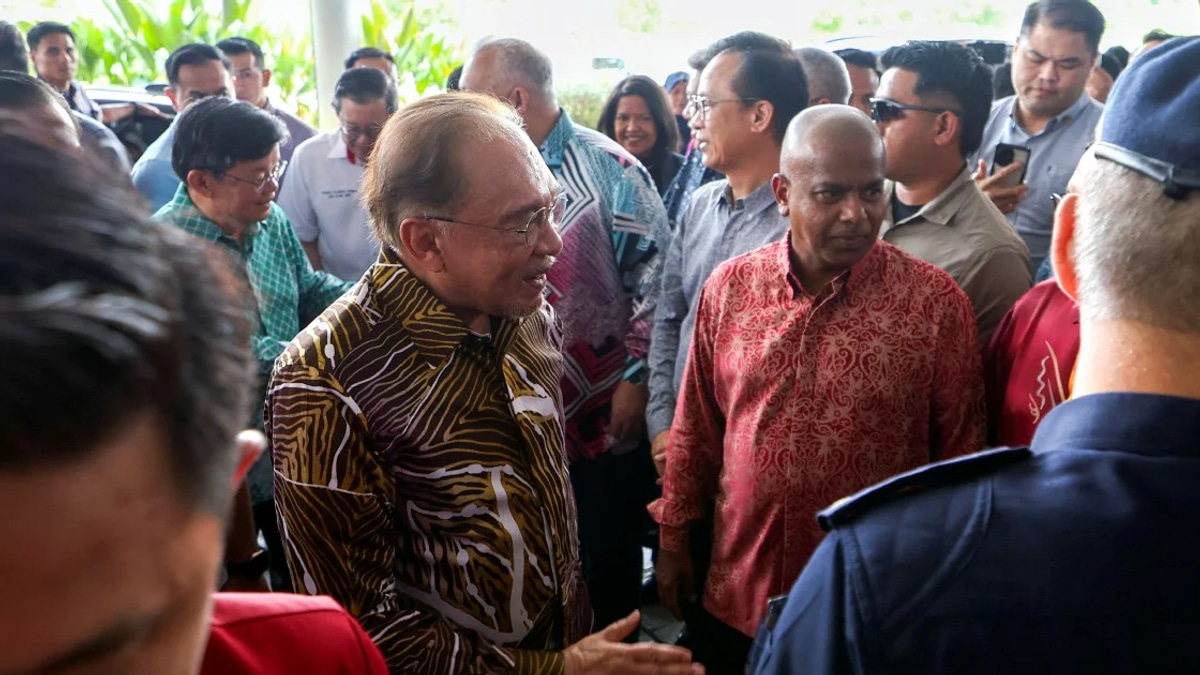
Prime Minister Datuk Seri Anwar Ibrahim has reaffirmed the government's determination to sustain and expand the Media Innovation Fund, a crucial initiative designed to help Malaysian media organisations adopt digital technologies and implement cutting-edge practices. Speaking at the HAWANA 2026 event at the PICCA@Arena Butterworth Convention Centre in Butterworth on June 20, Anwar pledged that the government would increase allocations to the fund to ensure it continues operating without interruption or resource constraints.
The Media Innovation Fund represents a significant policy intervention in Malaysia's media landscape, established to catalyse the sector's transition toward modern digital business models and innovative content delivery mechanisms. Since its introduction during National Journalists' Day last year, the fund has distributed RM24.57 million across 72 media organisations, demonstrating both the breadth of industry need and the demand for government support during a period of rapid technological change.
Anwar, who holds the concurrent position of Finance Minister, emphasised that the original RM30 million allocation was not merely a one-time expenditure but rather the foundation for sustained investment. By committing to increase future funding, the government acknowledges that media transformation is a multi-year undertaking requiring continuous financial support. This decision signals recognition that the initial allocation, while substantial, has been substantially utilised and that demand from the sector remains robust.
The fund's framework addresses multiple dimensions of media modernisation beyond simple technology adoption. Its remit encompasses content development, implementation of advanced media technologies, and comprehensive digital strategies tailored to individual organisations. This holistic approach reflects understanding that successful transformation requires simultaneous evolution across production methods, distribution channels, and audience engagement practices.
A critical component of the fund involves professional development and capacity building. By prioritising training for media practitioners, the initiative ensures that technological infrastructure is paired with human capability. This dual emphasis prevents the common scenario where organisations acquire sophisticated tools without the corresponding expertise to utilise them effectively. The fund's focus on producing creative and interactive content acknowledges that digital transformation succeeds only when it enhances rather than merely substitutes existing editorial functions.
For Malaysian media organisations, the fund's expansion carries substantial implications in an intensely competitive regional and global information ecosystem. International media companies and digital platforms exercise increasing influence over audience attention and advertising revenue. By strengthening local media's technological capabilities and innovation potential, government support helps preserve the viability of domestic journalism and locally-focused news operations that serve essential democratic functions.
The commitment also reflects broader government priorities around information integrity and accuracy. A fund criterion emphasising strengthening delivery of accurate and relevant information addresses growing concerns about misinformation and the erosion of trusted information sources. By supporting local media organisations' capacity to produce quality journalism, the government invests in maintaining public access to vetted, professionally-produced news.
From a Southeast Asian perspective, Malaysia's sustained investment in media innovation positions the country within a cohort of regional governments actively engaged in media sector development. The approach differs from restrictive models that inhibit media freedom, instead investing in capability enhancement. This strategy potentially influences regional conversations about balancing media sustainability with editorial independence.
The distribution pattern—with 72 organisations having already accessed support—indicates the fund operates across diverse media segments rather than concentrating resources among large incumbents. This suggests attention to maintaining a pluralistic media ecosystem encompassing various ownership structures and editorial orientations. Equitable distribution prevents consolidation dynamics that could undermine diversity of voices and perspectives.
Anwar's remarks at HAWANA 2026 stressed continuity and expansion rather than mere maintenance, employing language encouraging further innovation. The phrase "keep up the good work" acknowledges that media organisations have responded constructively to available support and should persist in their transformation efforts. This positive framing contrasts with narratives of crisis or decline, instead positioning media innovation as an ongoing endeavour meriting sustained government partnership.
Looking forward, the fund's expansion will likely influence how Malaysian media organisations strategise their technology investments and editorial evolution. Organisations may undertake more ambitious digital projects knowing funding support remains accessible. This could accelerate adoption of podcasting, data journalism, multimedia storytelling, and audience analytics capabilities across the sector.
The government's financial commitment also carries symbolic significance beyond direct funding provision. It demonstrates official recognition that media institutions constitute essential infrastructure requiring public investment, akin to transportation networks or educational systems. This framing helps legitimate media sector concerns about sustainability during technological disruption and positions journalism as a public good rather than purely commercial enterprise.