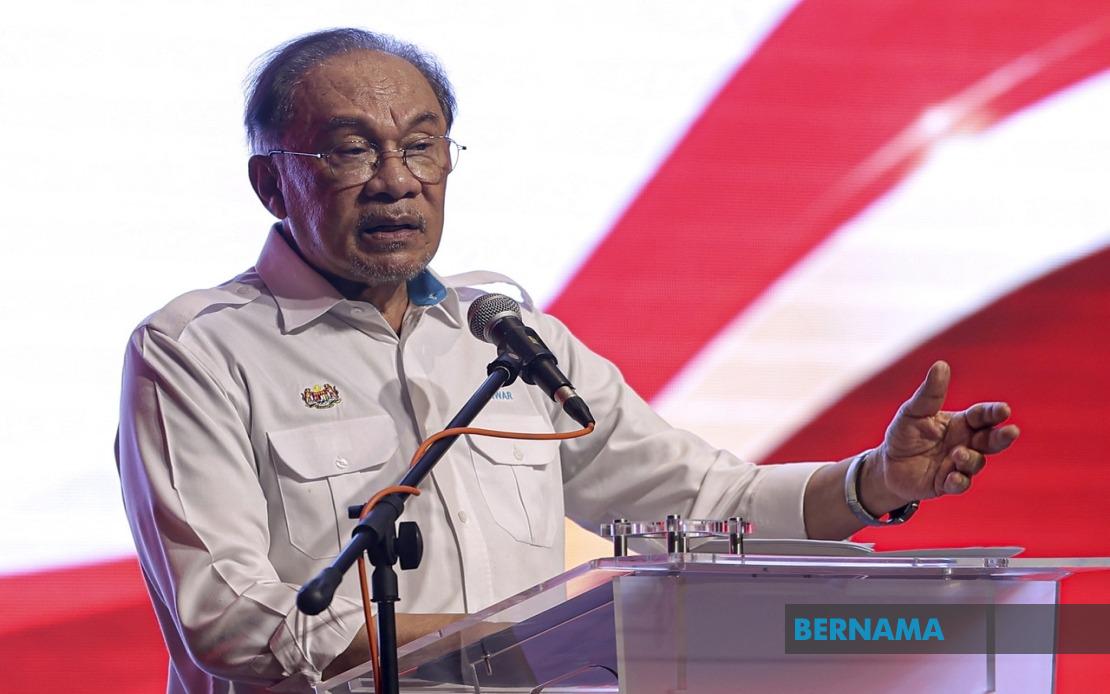
The Malaysian government is exploring the introduction of discounted MADANI tickets for the Formula One Gulf Air Bahrain Grand Prix, which will be held at the Sepang International Circuit from October 2 to 4, according to Prime Minister Datuk Seri Anwar Ibrahim. Speaking at a gathering with Negeri Sembilan Village Development and Security Committee leaders in Port Dickson on July 27, Anwar indicated that the initiative aligns with the Malaysia MADANI framework, a governance philosophy that prioritises citizen well-being and broader participation in major national undertakings.
The proposed pricing strategy reflects a pragmatic approach to democratising access to premium international events. Anwar acknowledged public demand for affordable ticketing options, noting that many citizens have directly requested such opportunities. He was candid about the trade-offs involved, explaining that purchasers of lower-priced MADANI tickets would occupy seating positioned further from the track rather than premium front-row locations. This tiered approach allows the government to balance commercial viability with accessibility, ensuring that revenue targets and sponsorship arrangements remain intact whilst expanding viewership across socioeconomic segments.
The MADANI concept represents a deliberate pivot toward inclusive governance, emphasising that large-scale international events should benefit the broader population rather than serving exclusively affluent audiences. By embedding this philosophy into F1 ticketing, the government signals its commitment to ensuring that major sporting spectacles strengthen social cohesion rather than reinforcing inequality. The initiative suggests that future mega-events hosted in Malaysia may similarly incorporate sliding-scale pricing mechanisms that reflect egalitarian principles.
Beyond ticketing accessibility, Anwar outlined the substantial economic multiplier effects anticipated from hosting the Grand Prix. The return of F1 racing to Sepang after a nine-year hiatus is expected to generate significant activity across hospitality, aviation, tourism, and retail sectors. International visitors and racing teams will require accommodation, dining, transportation, and entertainment services, creating sustained demand across multiple industries. National carriers Malaysia Airlines and AirAsia are positioned to benefit from increased passenger traffic, whilst hotels across the Klang Valley anticipate near-full occupancy during the racing weekend.
The selection of Malaysia as a host venue reflects broader geopolitical and economic positioning. Anwar emphasised that Malaysia's competitive advantages include its reputation as a politically stable country with a robust economy and extensive diplomatic relationships. In a global market where numerous nations actively bid for prestigious sporting events, Malaysia's profile as a secure and investor-friendly destination contributed to its selection. This recognition underscores the importance of maintaining institutional stability and transparent governance in attracting international commerce and cultural prestige.
The return of Formula One to Sepang carries symbolic significance for Malaysian motorsport and national identity. The Malaysian Grand Prix ran at the circuit from 1999 to 2017, establishing a two-decade tradition before escalating hosting expenses and licensing fees rendered the arrangement economically unsustainable. The cost barrier that previously excluded Malaysia from the F1 calendar reflects the sport's consolidation around wealthier jurisdictions and states with deep sovereign wealth resources. By successfully negotiating the return of the Bahrain event to Sepang, the government has demonstrated capacity to manage complex international sporting arrangements despite financial constraints.
The Sepang International Circuit itself represents substantial national infrastructure investment. Originally constructed to world-class specifications, the facility has hosted numerous international motorsport events and remains a strategic asset for positioning Malaysia within global sports tourism networks. Reactivating the venue for Formula One reinforces its status and generates justification for ongoing maintenance and facility upgrades. The circuit's utilisation patterns have evolved over recent years, and the return of F1 provides an anchor tenant that can support year-round operational viability.
The MADANI ticketing initiative must navigate several implementation challenges. Determining optimal pricing levels requires balancing affordability targets against revenue requirements and sponsor expectations. Capacity constraints mean that discounted allocations will necessarily be limited, potentially creating demand that exceeds available inventory. The government will need to establish transparent allocation mechanisms to prevent perceptions of favouritism or political patronage in distributing scarce MADANI tickets. Clear communication regarding seating locations and viewing quality is essential to manage consumer expectations and prevent post-purchase dissatisfaction.
For Southeast Asian observers, Malaysia's approach to inclusive major-event hosting offers a template relevant to regional economic development. As other nations within ASEAN pursue international sporting events and cultural showcase opportunities, the integration of accessibility principles with commercial viability represents a replicable model. Thailand, Indonesia, and Singapore have similarly hosted or planned premium sporting events, and Malaysia's MADANI framework suggests pathways for balancing elite entertainment models with broader public participation objectives.
The initiative also reflects evolving public expectations regarding government engagement with commercial entertainment sectors. Citizens increasingly view major international events not merely as revenue-generating exercises but as opportunities for direct participation and benefit-sharing. By responding to public requests for affordable ticketing, the government demonstrates responsiveness to constituent preferences whilst maintaining event profitability. This approach potentially strengthens public support for future government investments in sporting infrastructure and international event hosting.
The success of the MADANI ticketing programme will likely influence government decision-making regarding subsequent international events and public-private partnerships. If the initiative successfully expands F1 viewership whilst maintaining financial sustainability, it may become template policy for other high-profile sporting or cultural events hosted in Malaysia. Conversely, implementation difficulties or public dissatisfaction could prompt recalibration of inclusivity approaches or pricing models. The October racing weekend will therefore serve as a test case for balancing elite international sporting standards with domestic accessibility and equity objectives.

