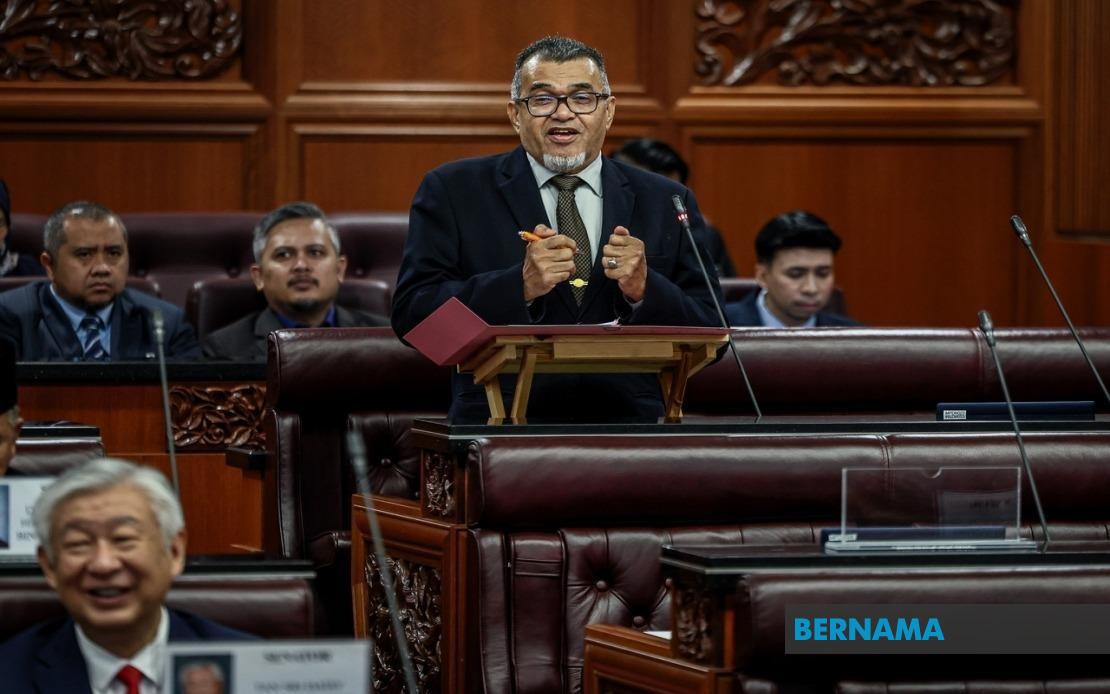
Railway cable theft has become such a persistent problem for Malaysia's transport infrastructure that the government is preparing substantial legislative teeth to combat the issue. Deputy Transport Minister Datuk Hasbi Habibollah announced on August 3 that authorities are finalizing amendments to rail transport legislation aimed at dramatically escalating penalties against criminals targeting national rail facilities. The proposed fine increase to RM100,000 for each offence represents a hundred-fold jump from existing penalties and underscores just how serious policymakers have become about addressing a problem that extends well beyond simple petty crime—it is now threatening the viability of critical transport networks.
The legislative amendment, which Hasbi indicated could be tabled during the next parliamentary session later this year, reflects growing frustration with the inadequacy of current legal protections. He justified the severity of the new penalties by pointing to the massive economic damage inflicted by cable thieves across Malaysia's major rail operators. Current fines of merely RM1,000 are manifestly insufficient given the cascading costs borne by rail authorities when their infrastructure is compromised, whether through operational disruption, replacement expenses, or schedule delays. The government's rationale is straightforward: if the punishment fails to deter criminal behaviour meaningfully, then it must be recalibrated to match the gravity of the offence and its consequences.
The scale of the problem becomes apparent when examining the losses documented across Malaysia's rail network. Combined cable theft incidents have resulted in cumulative losses exceeding RM50 million involving the major players: Keretapi Tanah Melayu Berhad (KTMB), Prasarana Malaysia Berhad, and the developing East Coast Rail Link (ECRL) project. For the ECRL specifically, which is still under construction and has not yet entered passenger service, authorities have recorded 71 cable theft cases resulting in estimated losses of RM4.06 million. Additional theft and damage incidents targeting equipment and other materials related to the system have added another RM0.69 million in losses, bringing the ECRL's total documented damage to RM4.75 million. These figures are particularly concerning because the project remains in the construction and commissioning phase, making it especially vulnerable to sabotage and theft before proper security protocols are fully established.
The implications of continued cable theft extend beyond immediate financial losses. Hasbi emphasized that ongoing incidents along the ECRL could compromise the entire project timeline, potentially delaying critical phases including installation work, system testing, commissioning procedures, and final operational preparations. For Southeast Asia's broader connectivity ambitions, any setback to the ECRL—a rail corridor intended to link the east and west coasts and integrate with regional transport networks—carries significance beyond Malaysia's borders. Thai, Singapore, and Brunei stakeholders all have interests in the project's successful completion and timely operations.
To address the security challenge comprehensively, authorities are implementing multiple defensive measures alongside the legal deterrent. The government is actively installing 1,146 closed-circuit television cameras along the railway corridor stretching from Johor through the country's northern regions. This surveillance infrastructure represents a substantial investment in passive monitoring and will provide investigators with evidence documentation while theoretically discouraging potential thieves who know they are being recorded. The expansion of technological surveillance capacity reflects modern policing approaches adapted to the scale of the cable theft problem.
Complementing the camera installations, KTMB has recently acquired twenty scrambler motorcycles specifically designated for use by the Auxiliary Police force. These vehicles enable rapid-response patrols operating around the clock to monitor rail corridors and deter criminal activity through visible law enforcement presence. The decision to prioritize motorcycles—inherently faster and more manoeuvrable than standard patrol vehicles in reaching remote railway access points—demonstrates tactical thinking about the operational reality of securing extensive rail networks across diverse terrain. Ground-level security improvements also include more basic but effective measures such as securing high-risk inspection points with enhanced physical barriers and deploying trained police K9 units to detect human presence near vulnerable infrastructure sections.
The convergence of stricter legal penalties, expanded video monitoring, increased ground patrols, and physical security barriers represents a three-pronged approach combining deterrence, detection, and defence. Yet the persistence of cable theft despite existing countermeasures suggests that demand for stolen copper and other valuable metals remains economically compelling for criminals. Southeast Asian markets for scrap metal and recycled materials create strong incentives for organized theft operations, making this challenge common across the region. Thailand, Indonesia, and the Philippines have all grappled with similar infrastructure security problems.
For Malaysian commuters and businesses reliant on rail transport, the practical stakes are substantial. Service disruptions caused by cable theft can cascade through economic activity, affecting port operations, manufacturing timelines, and general commerce. The cumulative reputation damage to public transport reliability also influences modal choices, with commuters gravitating toward private vehicles or other transport modes when trains become unreliable—a shift that has broader urban planning and environmental implications. Restoring public confidence in rail service punctuality therefore serves purposes extending well beyond the transport ministry's immediate brief.
The government's determination to escalate penalties reflects recognition that previous legislative frameworks fundamentally miscalibrated the criminal calculus. When someone can steal materials worth substantial sums while facing only minimal financial penalties if apprehended, rational economic analysis favours attempting the theft. By increasing fines to RM100,000, policymakers are attempting to reverse that equation, making the legal risk substantially more consequential. However, legislation alone rarely solves entrenched infrastructure security problems without complementary enforcement commitment and adequate prosecutorial resources to follow through on penalties once offenders are apprehended.
The timeline for parliamentary passage remains uncertain despite Hasbi's stated expectation of movement before year-end. Legislative calendars can shift, and complex transport-related amendments sometimes require additional policy refinement before formal tabling. Nonetheless, the announcement signals that transport authorities view cable theft as an urgent challenge demanding legislative attention at the highest governmental level. For stakeholders across Malaysia's transport ecosystem—from commuters to logistics operators to the contractors developing the ECRL—the proposed penalties represent acknowledgment that existing deterrents have manifestly failed and that substantially stiffer consequences are deemed necessary to protect critical infrastructure from ongoing predation.

