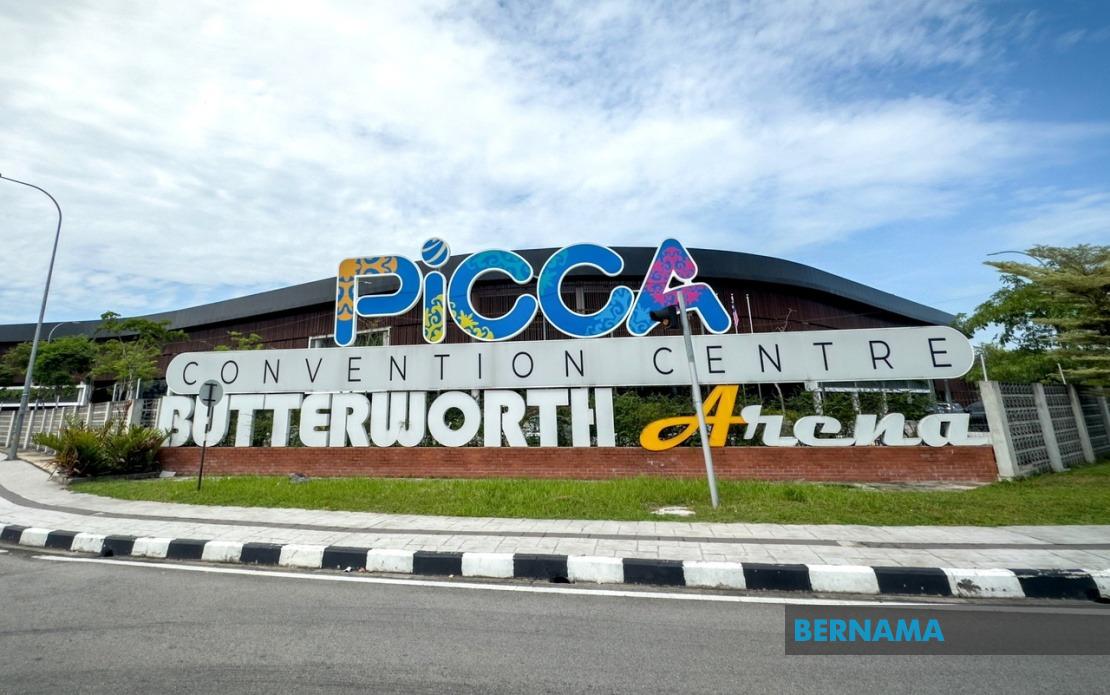
The sixth edition of Malaysia's National Journalists' Day (HAWANA) reaches its crescendo today at the PICCA@Arena Butterworth Convention Centre, where approximately 1,000 journalism professionals from across the country and overseas will converge to mark a significant moment in the nation's media landscape. Prime Minister Datuk Seri Anwar Ibrahim will formally open proceedings at 3 pm, underscoring the government's commitment to recognising the fourth estate's pivotal role in Malaysian society.
This year's celebration carries the thematic focus of 'Media Integrity Strengthens Credibility', a deliberate emphasis that resonates deeply within Southeast Asia's current information environment. The choice of theme reflects growing concerns about misinformation and the erosion of public trust in media institutions across the region. By centralising integrity as the core message, organisers have positioned the event as an opportunity to reinvigorate professional standards and public confidence in journalism during a period of significant technological disruption and polarisation.
A distinguished lineup of national leadership and institutional figures has confirmed attendance, including Penang Chief Minister Chow Kon Yeow, Communications Minister Datuk Fahmi Fadzil, and Communications Ministry secretary-general Datuk Abdul Halim Hamzah. The participation of Bernama Chairman Datuk Seri Wong Chun Wai and Chief Executive Officer Datin Paduka Nur-ul Afida Kamaludin signals institutional commitment to elevating journalism's status within government and civil society structures. The gathering of top media organisation executives demonstrates that HAWANA has successfully positioned itself as an essential industry touchstone beyond mere ceremonial recognition.
The international dimension of today's proceedings warrants particular attention for Malaysian and Southeast Asian media observers. Delegations from Indonesia's Antara News Agency, Vietnam's state news service, China's Xinhua News Agency, the Indonesian Journalists Association, and the Malaysia-Indonesia Journalists Friendship Association (ISWAMI) represent a conscious effort to situate Malaysian journalism within the broader regional context. This transnational participation acknowledges that media challenges and solutions increasingly transcend national boundaries, and that professional solidarity among Southeast Asian journalists strengthens collective capacity to navigate pressures from both commercial and political interests.
Today's formal proceedings will feature the presentation of HAWANA Awards and Special HAWANA Awards to individuals whose contributions have shaped journalism practice and influenced public consciousness in Malaysia. Additionally, the Tabung Kasih@HAWANA scheme will distribute assistance to veteran media professionals facing financial hardship, a measure that reflects the profession's commitment to supporting members who have dedicated careers to news gathering and reporting. These recognition mechanisms serve dual purposes: acknowledging excellence while also addressing the economic vulnerabilities of journalism careers that are often overlooked in discussions of media credibility.
Beyond the convention centre's formal proceedings, the RIUH Pi HAWANA Carnival—now entering its third day of operation in the PICCA Convention Centre parking area—has transformed the celebration into a broader public engagement event. Featuring performances by established Malaysian musicians including Exists, Bunkface, Masdo, Sakura Band, Budak Nakal Hujung Simpang, and Chelsea Ng, the carnival reaches beyond industry professionals to cultivate grassroots appreciation for journalism's societal value. The involvement of over 24 local creative product brands and 20 food and beverage vendors transforms the event into an accessible community gathering rather than an exclusive professional ceremony.
The carnival's interactive workshops and vendor presence signal a strategic shift in how HAWANA engages with the Malaysian public. By embedding journalistic celebration within entertainment and cultural programming, organisers have created opportunities for ordinary citizens to reflect on media consumption habits and develop more nuanced understanding of journalism's functions. This approach proves particularly valuable in markets where media literacy remains uneven and public scepticism towards news institutions runs high—conditions that characterise much of Southeast Asia.
The months preceding today's grand finale have witnessed systematic programming designed to build momentum and deepen professional engagement. The May 7 HAWANA 2026 Media Forum provided space for substantive discussion of industry challenges and opportunities, while the June 4 Strategic Partners Engagement Event connected news organisations, technology providers, and advertising stakeholders. The June 14 Fun Walk attracted both media practitioners and public participants, creating opportunities for informal professional networking while simultaneously raising HAWANA's visibility beyond specialist circles. This multi-phase approach demonstrates sophisticated event management and a recognition that meaningful professional recognition requires sustained engagement rather than single ceremonial occasions.
HAWANA itself carries historical significance rooted in Malaysia's cultural and journalistic heritage. The annual celebration on May 29 commemorates the publication of Utusan Melayu's inaugural edition on the same date in 1939, marking the birth of modern Malay-language journalism during the pre-independence era. This historical anchor connects contemporary journalism practice to founding narratives of the Malaysian nation-state and reminds practitioners that journalism's development in Malaysia parallels the broader trajectory of national consciousness and democratic evolution. For Southeast Asian observers, this connection illustrates how media institutions embed themselves within founding national myths.
The Ministry of Communications' sponsorship of HAWANA, with Bernama serving as implementing agency, formalises journalism's relationship with state institutions while ostensibly preserving professional autonomy. This positioning creates inherent tensions—state recognition validates journalism's importance while simultaneously raising questions about editorial independence when government funds media celebration. Malaysian media practitioners navigate this complexity continuously, and HAWANA's continuation suggests an implicit understanding that state-profession relationships require regular affirmation and mutual acknowledgment despite underlying structural asymmetries.
Organisers explicitly position HAWANA as the nation's premier platform for recognising journalism professionals' dedication and professionalism, while emphasising their essential function as conveyors of accurate, verified, and authoritative information. This framing addresses contemporary challenges to journalism's epistemic authority in societies where algorithms, social media influencers, and partisan commentary frequently overshadow traditional news sources. By insisting on journalistic standards and verification processes, HAWANA implicitly contests narratives dismissing mainstream journalism as obsolete or unreliable—a contestation increasingly necessary across Southeast Asia.
As Malaysia's journalism sector confronts pressures from technological disruption, economic stress on traditional business models, and competition from digital-native publishers, events like today's HAWANA celebration serve functions beyond ceremonial recognition. They provide institutional forums where professional standards can be reinforced, intergenerational knowledge transmission occurs, and collective identity among journalism practitioners strengthens. The convergence of local and international delegations in Penang today represents an investment in journalism's future sustainability and the profession's ongoing capacity to serve democratic information needs across Malaysia and the wider region.