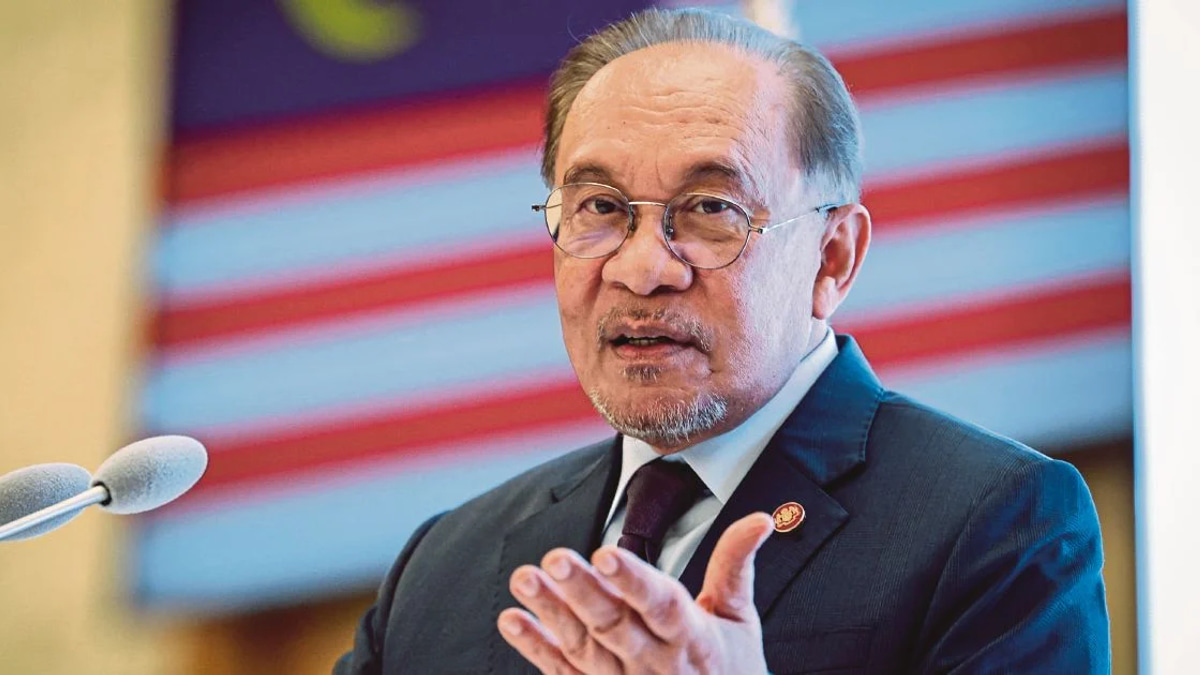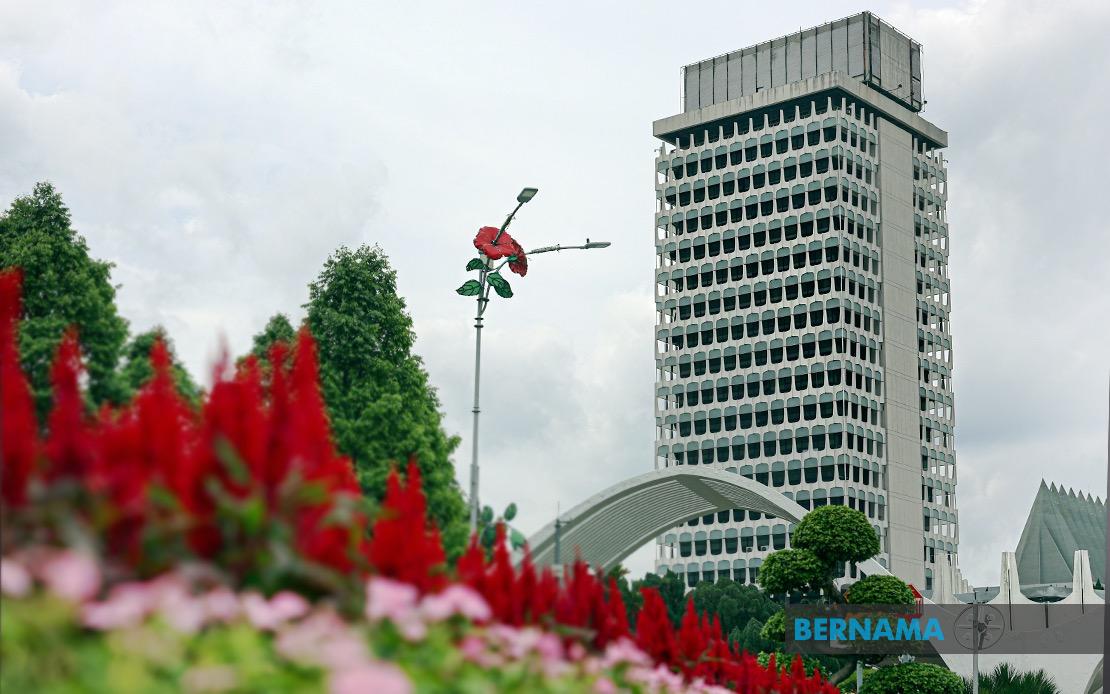
Parliament resumes on Monday for its Second Meeting of the Fifth Session, with ambitious legislative ambitions centring on constitutional reforms that failed to gain ground in previous attempts. The sitting, scheduled to run until July 16, will see the re-tabling of the Constitution (Amendment) Bill 2026, which proposes capping prime ministerial tenure at ten years—a measure that previously fell short of the required two-thirds parliamentary majority. Alongside this, lawmakers will revisit the Constitution (Amendment) Bill (No. 2) 2026, designed to functionally separate the Attorney General and Public Prosecutor positions, a proposal currently undergoing deeper review within the Parliamentary Special Select Committee.
These constitutional amendments represent significant shifts in Malaysia's governance framework, reflecting broader democratic considerations about executive accountability and institutional independence. The PM tenure limit addresses longstanding questions about concentration of executive power, particularly relevant given Malaysia's political history. Similarly, separating the AG and Public Prosecutor roles seeks to enhance the independence of the prosecutor's office from political influence, a structural reform with implications for the justice system's perceived neutrality. Both measures signal parliamentary intent to strengthen institutional checks, though their previous failure to secure sufficient support indicates the complexity of building consensus on fundamental constitutional changes.
Beyond constitutional matters, the session will spotlight the Cybercrime Bill 2026 and notably the Road Transport Act 1987 (Amendment) Bill, introduced on the opening day and debated immediately thereafter. Transport Minister Anthony Loke emphasised the urgency of these amendments, which encompass modifications across eleven distinct areas and forty-two individual clauses. The road safety overhaul directly confronts illegal street racing and organised crime syndicates engaged in vehicular criminality—phenomena that transport authorities regard as escalating threats to public safety on Malaysian roads.
The road transport amendments carry particular resonance for Malaysian commuters and enforcement agencies alike. Beyond criminalising dangerous driving practices, the proposed measures strengthen the legal arsenal against 'tonto' syndicates—organised groups notorious for illegal racing, vehicle theft, and related criminal activities that have claimed lives and destabilised traffic conditions across urban centres. By expanding enforcement mechanisms and tightening compliance frameworks, the amendments aim to transform regulatory capacity, granting authorities more robust tools for investigation, prosecution, and deterrence. This reflects recognition that existing legislative frameworks have proven insufficient against increasingly sophisticated criminal networks exploiting road transport infrastructure.
Parliament's agenda also extends to geopolitical economic concerns, with deliberations scheduled on how the ongoing West Asian conflict disrupts international energy supply chains and affects Malaysia's energy security. The conflict's ripple effects through global markets have prompted domestic policy discussions about fuel prices, electricity generation resilience, and long-term energy strategy. For Malaysian policymakers, these discussions necessitate balancing immediate cost-of-living pressures against strategic energy independence considerations, particularly given Southeast Asia's reliance on petroleum-dependent economies and regional supply vulnerabilities.
Dewan Rakyat Speaker Tan Sri Johari Abdul has called upon all 222 MPs to conduct themselves as responsible guardians of public interest, emphasising that parliamentary discourse must transcend partisan positioning to address substantive national challenges. His remarks signal concern about maintaining institutional dignity during what he acknowledges as a period of complex political dynamics. The speaker stressed that debates should rest upon empirical evidence, credible data, and actionable policy proposals rather than emotional appeals or rhetorical polemics disconnected from practical governance outcomes.
Johari's exhortation holds particular weight given that the parliamentary sitting coincides with the Johor State Election, creating potential conflicts between parliamentary responsibilities and simultaneous electoral campaigning. Multiple MPs will divide attention between legislative duties and state-level canvassing, creating genuine risks of diminished parliamentary engagement. The speaker explicitly cautioned against misusing parliamentary platforms for partisan electoral advantage, framing attendance and substantive participation as non-negotiable professional obligations that transcend competing political commitments.
The speaker's emphasis on addressing cost-of-living pressures, educational advancement, healthcare accessibility, economic opportunity, and community welfare reflects public priorities that transcend party lines. These concerns have dominated Malaysian political discourse as inflation, employment volatility, and service delivery challenges create citizen anxiety. Parliament's responsibility, Johari argued, extends beyond symbolic debate toward generating concrete legislative solutions and effective policy mechanisms addressing these tangible grievances affecting millions of Malaysian households daily.
The 16-day sitting represents a condensed legislative calendar for advancing complex bills, with constitutional amendments requiring supermajority support and regulatory overhauls demanding detailed scrutiny. The parliamentary agenda reflects both continuity in addressing persistent governance challenges and renewed effort to advance structural reforms that previously stalled. Success will depend substantially upon cross-party cooperation, a commodity in varying supply within Malaysia's contemporary political landscape characterised by coalition tensions and electoral competition.
Concurrently, the Dewan Negara will commence its own ten-day sitting from July 20 through August 4, operating as the upper chamber's parallel forum for deliberation. The Senate's role in scrutinising and refining legislation passed by the lower house adds another dimension to the parliamentary calendar, particularly for bills requiring extended consideration or technical amendments. The staggered sitting schedules allow consecutive legislative momentum, though coordination between chambers remains essential for timely bill progression.
The outcome of efforts to establish PM tenure limits and restructure prosecutorial independence will signal Parliament's appetite for institutional reform versus preference for maintaining existing frameworks. These constitutional questions transcend immediate legislative practicality, reflecting deeper philosophical positions about how Malaysia should balance executive efficiency with accountability safeguards. Whether renewed parliamentary attempts succeed where previous efforts faltered depends substantially upon whether political circumstances have shifted sufficiently to generate broader consensus around fundamental governance restructuring.