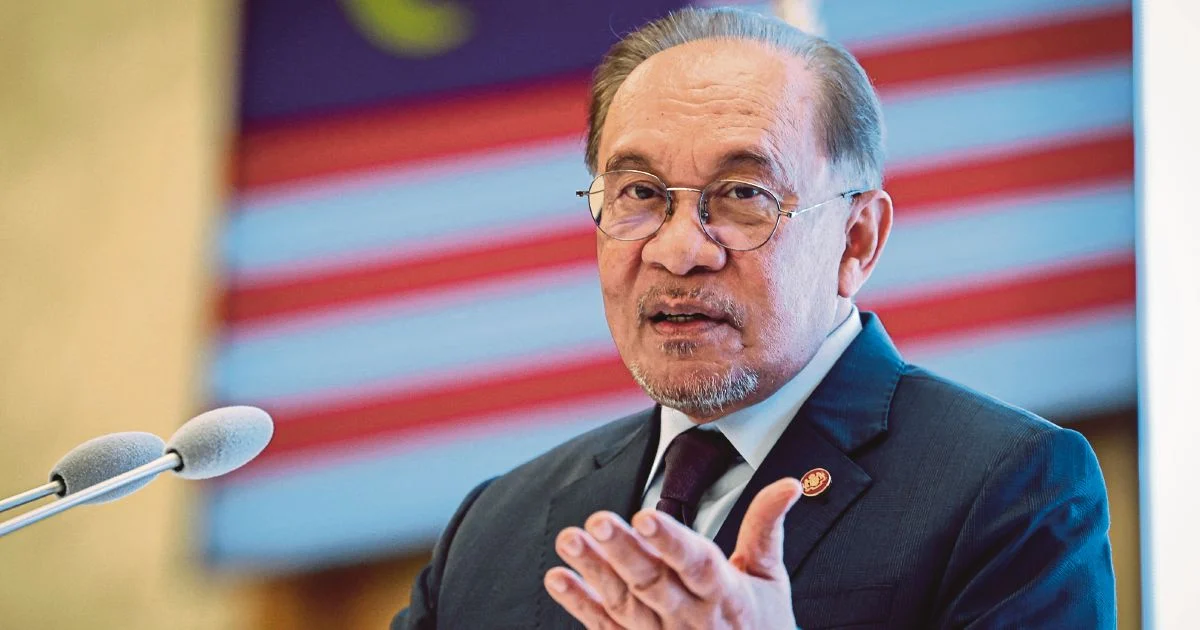
Prime Minister Datuk Seri Anwar Ibrahim has characterised the assignment of a stake in one of the world's most substantial gas reserves to Petroliam Nasional Bhd by Turkmenistan as a signal of global recognition for Malaysia's institutional resilience, cohesive society, and proven economic competence. The development underscores how Malaysian enterprises continue to secure significant international ventures despite a complex geopolitical landscape that has seen considerable flux in energy sector investments across Asia.
The significance of Petronas securing this participation goes beyond the immediate commercial value of the asset. For a country that has long positioned itself as a reliable partner in the resource-rich but politically volatile Central Asian region, this arrangement validates Malaysia's diplomatic standing and the competence of its national petroleum corporation. The award represents a substantial endorsement from an energy-rich nation selecting among numerous potential international partners, each bringing different strategic considerations, technological capabilities, and financial resources to the table.
Turkmenistan's decision to engage Petronas reflects broader trends in how energy-producing nations evaluate partnership opportunities. Beyond technical proficiency and capital availability, investors in upstream projects increasingly assess a partner nation's political continuity and institutional stability. Malaysia's recent efforts to consolidate its political system following elections and the formation of broader governing coalitions appear to have registered positively with international stakeholders evaluating long-term commitments in the hydrocarbon sector.
The gas field represents one of the globe's more substantial reserves, making this not a peripheral venture but a central component of energy production strategy. For Petronas, which operates across multiple continents and maintains an expansive portfolio of upstream, downstream, and midstream assets, this represents another jewel in its international crown. The company's ability to compete successfully for stakes in world-class assets demonstrates the continued relevance of Malaysian energy expertise on the global stage, despite competition from international majors and Asian national oil companies with substantially larger balance sheets.
From a Malaysian economic perspective, this arrangement carries implications across multiple dimensions. The venture will generate substantial revenue streams through profit-sharing and production volumes, contributing to national coffers and supporting government development agendas. Beyond immediate fiscal benefits, the project supports employment for skilled Malaysian professionals in roles spanning project management, engineering, operations, and technical services. The knowledge transferred and operational experience gained across Central Asian ventures positions Malaysia as a serious player in frontier and challenging energy geographies.
The broader geopolitical context cannot be overlooked. Central Asia remains strategically important for energy security across Asia, and Malaysian participation in major projects diversifies the region's partnership portfolio away from concentration among a limited set of international majors or Chinese entities. This distribution of involvement supports regional stability and creates avenues for Malaysian influence in corridors of international energy diplomacy that extend from the Caspian to Asian markets.
Anwar's framing of the transaction as validation of Malaysian stability appears calibrated to reinforce messages about the country's recovery from recent political turbulence. International investors monitor governance quality closely, and reassurances about cohesive leadership and predictable policy environments carry substantial weight in decisions regarding multi-billion ringgit commitments in energy infrastructure. The Prime Minister's characterisation serves dual purposes: celebrating a genuine commercial achievement while simultaneously projecting confidence to global markets about the trajectory of Malaysian governance and economic management.
The venture also carries significance for Malaysia's energy security architecture. While the country remains a net energy exporter, participation in Central Asian assets provides strategic diversification of supply sources and demonstrates Malaysia's willingness to look beyond Southeast Asia for energy opportunities. This orientation supports regional energy resilience and positions Malaysian entities as players in broader Asian energy markets rather than merely regional operators.
Petronas's international footprint has long been a point of national pride and economic importance. The company operates in more than 80 countries and commands technical expertise in deepwater development, unconventional resources, and challenging operational environments. This Turkmenistan participation exemplifies how Malaysian capabilities developed through decades of domestic offshore development translate into competitive advantages in international markets. The company's ability to compete for stakes in tier-one assets validates the human capital and institutional knowledge embedded within Malaysia's petroleum sector.
Looking ahead, the success of this venture could catalyse additional opportunities across Central Asia and beyond. A successful project execution in Turkmenistan enhances Petronas's reputation and strengthens its competitive positioning for future bids. Moreover, positive returns from the asset will demonstrate to Malaysian stakeholders that international expansion remains a sound strategic direction for national enterprises, supporting continued investment in capability-building and competitive positioning.
The transaction ultimately reflects mutual benefit between two nations seeking reliable, capable partners in resource development. For Turkmenistan, securing participation from an Asian national oil company with strong technical credentials and financial stability addresses diversification objectives. For Malaysia, the arrangement advances corporate interests while contributing to government objectives around economic growth, employment, and international standing. Within the framework of Malaysia's broader economic recovery and repositioning efforts, such major commercial achievements provide tangible evidence of the country's capacity to compete successfully on international stages.