%22%2F%3E%3C%2Fpattern%3E%3C%2Fdefs%3E%3Crect%20width%3D%22100%25%22%20height%3D%22100%25%22%20fill%3D%22url(%23ph5kreng)%22%2F%3E%3Crect%20width%3D%22100%25%22%20height%3D%22100%25%22%20fill%3D%22url(%23ph5krenp)%22%2F%3E%3Ctext%20x%3D%2250%25%22%20y%3D%2250%25%22%20text-anchor%3D%22middle%22%20dominant-baseline%3D%22central%22%20fill%3D%22rgba(255%2C255%2C255%2C0.95)%22%20font-family%3D%22Georgia%2C%20'Times%20New%20Roman'%2C%20serif%22%20font-weight%3D%22700%22%20font-size%3D%22226%22%20letter-spacing%3D%22-0.02em%22%3EHAWANA%3C%2Ftext%3E%3C%2Fsvg%3E)
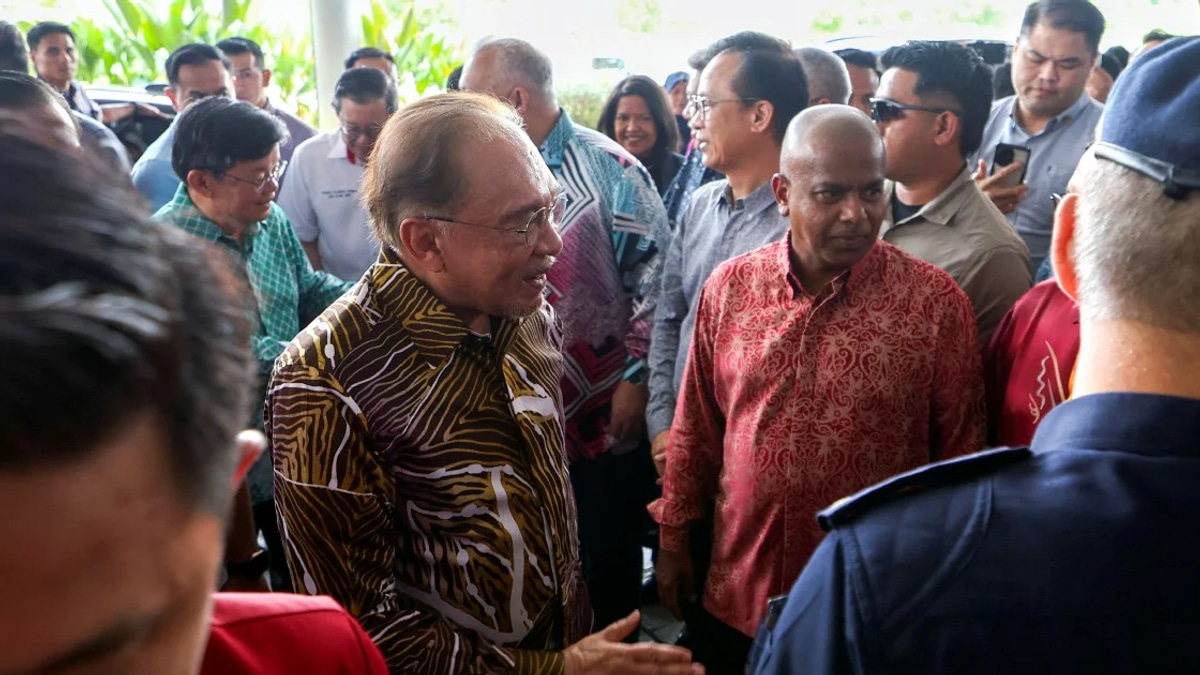
The HAWANA 2026 Summit brought together approximately 1,000 media professionals from Malaysia and several ASEAN nations to Penang this week, underscoring the enduring importance of this annual observance in the country's journalism calendar. Officially opened by Prime Minister Datuk Seri Anwar Ibrahim at the PICCA @ Arena Butterworth Convention Centre, the gathering centred on the theme Media Integrity Strengthens Credibility, reflecting mounting concerns about information accuracy in an age of rapid technological disruption.
Radio Televisyen Malaysia director-general Ashwad Ismail positioned HAWANA as more than a ceremonial occasion, describing it instead as the essential "heart" binding together the nation's diverse media practitioners. He emphasised that the annual summit provides an irreplaceable opportunity for the journalism industry to pause and take stock of its performance across multiple dimensions. This reflective function has become increasingly vital as newsrooms worldwide grapple with unprecedented structural changes and audience expectations.
The introspection that HAWANA facilitates operates on several levels simultaneously. Ismail explained that the exercise involves acknowledging genuine successes achieved throughout the preceding twelve months while honestly assessing areas where the industry fell short of its professional standards and public responsibilities. This dual acknowledgment is crucial for institutional learning, particularly when external circumstances—economic pressures, technological disruption, audience fragmentation—create complex operating environments that did not exist a generation ago.
Looking forward, Ismail stressed that HAWANA serves as a forum where diverse stakeholders can collectively examine the industry's trajectory amid transformative forces. Content creators, journalists, media organisations, and technology companies now must navigate artificial intelligence integration, algorithmic content distribution, and persistent misinformation challenges that fundamentally reshape how news reaches audiences. The summit's structure allows these varied participants to discuss viable pathways through unprecedented uncertainty.
Siti Nor Aina Omar, a lecturer at Han Chiang University College of Communication and former industry practitioner, offered valuable perspective on HAWANA's significance from both academic and professional standpoints. She characterised the annual event as a meaningful ritual that accomplishes the dual purpose of honouring journalism's contributions to Malaysian society while simultaneously recognising both retired practitioners and those currently in the profession. This intergenerational acknowledgment strengthens professional identity and institutional memory within a field experiencing considerable flux.
Veteran journalist Siti Zubaidah Zakaria, who brings seventeen years of experience at Sinar Harian in Kedah, articulated a perspective shared by many practitioners regarding HAWANA's fundamental purpose. She contended that the summit should persist as a formal expression of the nation's appreciation for media workers' professional contributions and personal sacrifices. Her intervention, however, extended beyond ceremonial appreciation to highlight practical concerns that merit sustained attention, particularly regarding journalist welfare provisions and access to equipment necessary for maintaining accuracy and truthfulness in reporting.
Zakaria's emphasis on material conditions reflects a broader challenge facing journalism globally. Malaysian newsrooms, like their international counterparts, operate with constrained budgets, evolving skill requirements, and mounting expectations to produce news across multiple platforms simultaneously. HAWANA's role as a gathering point where these systemic pressures receive institutional recognition has become increasingly important as individual journalists might otherwise feel isolated facing these challenges.
The 2026 summit drew participation from international figures, including Timor-Leste Secretary of State for Social Communication Expedito Loro Dias Ximenes, signalling that journalism's challenges transcend borders and that Southeast Asian countries benefit from comparative experience and collective problem-solving. The regional dimension contextualises Malaysian journalism within broader Asian media landscapes confronting similar pressures regarding digital transformation, audience trust, and content credibility.
Official sponsorship and coordination by the Communications Ministry, with Bernama serving as the implementing agency, demonstrates that Malaysia's government recognises journalism's institutional importance despite occasional tensions between political leadership and media scrutiny. This governmental investment in professional recognition, while politically symbolic, also reflects policy acknowledgment that functional democracies require healthy media ecosystems capable of fulfilling their watchdog and information-distribution functions.
The summit's emphasis on media integrity as the thematic centrepiece carries particular resonance in contemporary context. As artificial intelligence tools generate increasingly sophisticated content, and as information abundance creates new verification burdens, journalism's credibility foundation becomes simultaneously more valuable and more vulnerable. HAWANA provides an annual checkpoint where the profession collectively reaffirms commitment to standards that distinguish journalism from other forms of communication and content creation.
Moving forward, HAWANA's sustainability depends partly on its capacity to evolve beyond ceremonial recognition toward substantive engagement with industry transformation. While honouring past contributions remains important, Malaysian journalism practitioners equally need forums where concrete solutions to contemporary challenges receive serious development. Equipment standards, training programmes, welfare protections, and professional development opportunities warrant HAWANA's attention alongside ceremonial aspects.
The convergence in Penang of media leaders, government officials, and working journalists created conditions for productive dialogue across professional hierarchies. Such forums become increasingly valuable as media sectors worldwide confront questions about their future business models, social relevance, and public trust. For Malaysian journalism, HAWANA's enduring value lies not merely in annual recognition but in its capacity to function as the profession's collective conscience, compelling regular examination of whether current practices serve public interest effectively.
%22%2F%3E%3C%2Fpattern%3E%3C%2Fdefs%3E%3Crect%20width%3D%22100%25%22%20height%3D%22100%25%22%20fill%3D%22url(%23ph1c6k9g)%22%2F%3E%3Crect%20width%3D%22100%25%22%20height%3D%22100%25%22%20fill%3D%22url(%23ph1c6k9p)%22%2F%3E%3Ctext%20x%3D%2250%25%22%20y%3D%2250%25%22%20text-anchor%3D%22middle%22%20dominant-baseline%3D%22central%22%20fill%3D%22rgba(255%2C255%2C255%2C0.95)%22%20font-family%3D%22Georgia%2C%20'Times%20New%20Roman'%2C%20serif%22%20font-weight%3D%22700%22%20font-size%3D%22170%22%20letter-spacing%3D%22-0.02em%22%3EMalaysia%3C%2Ftext%3E%3C%2Fsvg%3E)
%22%2F%3E%3C%2Fpattern%3E%3C%2Fdefs%3E%3Crect%20width%3D%22100%25%22%20height%3D%22100%25%22%20fill%3D%22url(%23ph41swg)%22%2F%3E%3Crect%20width%3D%22100%25%22%20height%3D%22100%25%22%20fill%3D%22url(%23ph41swp)%22%2F%3E%3Ctext%20x%3D%2250%25%22%20y%3D%2250%25%22%20text-anchor%3D%22middle%22%20dominant-baseline%3D%22central%22%20fill%3D%22rgba(255%2C255%2C255%2C0.95)%22%20font-family%3D%22Georgia%2C%20'Times%20New%20Roman'%2C%20serif%22%20font-weight%3D%22700%22%20font-size%3D%22320%22%20letter-spacing%3D%22-0.02em%22%3EPM%3C%2Ftext%3E%3C%2Fsvg%3E)