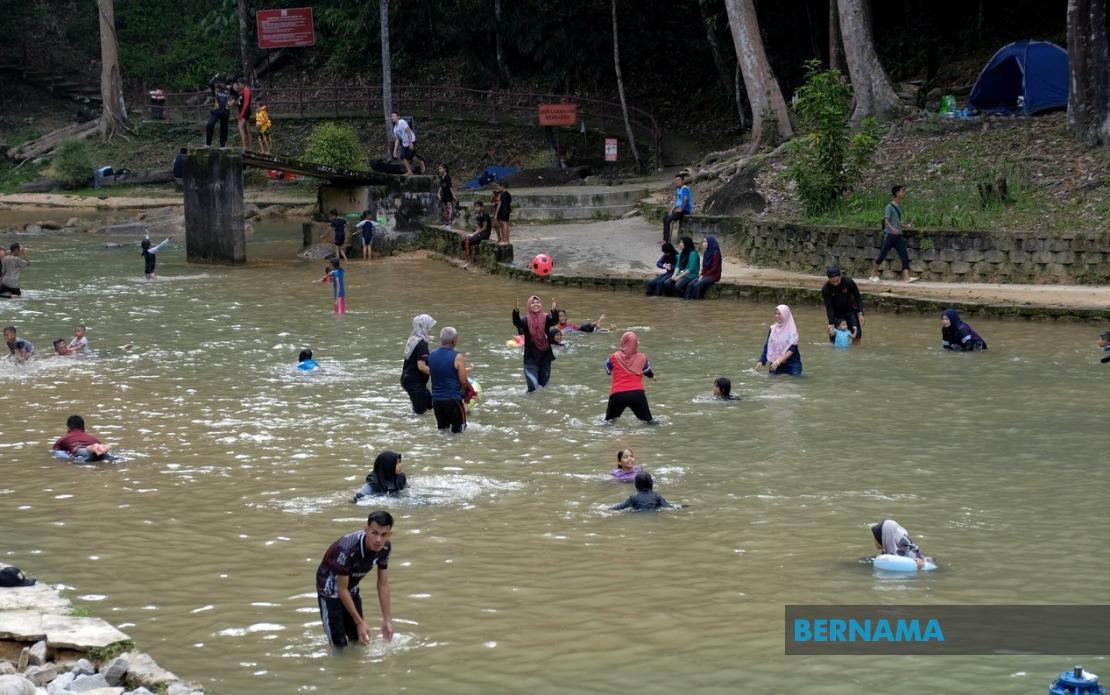
Pahang's health authorities have launched a formal investigation into allegations that multiple visitors to a recreational area near Bentong contracted acute gastroenteritis after swimming in a river, with symptoms including diarrhoea, vomiting and fever. The Pahang State Health Department (JKNP) issued a statement confirming the probe while clarifying that no confirmed cases have yet been epidemiologically linked to the incident, and no unusual spike in such illnesses has been detected through standard surveillance mechanisms across the region.
The investigation process began with a comprehensive risk assessment of the affected recreational zone. Officials examined available health facility records and surveillance data from both government and private healthcare providers in the surrounding areas, searching for patterns that might corroborate the public complaints. The absence of formal notifications of food poisoning events or anomalous increases in acute gastroenteritis presentations through existing monitoring systems suggests either that cases remained unreported to authorities, or that the outbreak remains geographically contained and numerically small.
A critical component of the investigative response involved environmental sampling of the water itself. On June 14, JKNP personnel collected raw water samples from multiple points along Sungai Benus in Janda Baik for detailed microbiological analysis. These laboratory tests, which remain pending at the time of the department's statement, will determine whether pathogenic organisms such as bacteria, viruses or parasites are present in concentrations sufficient to cause illness. The results of these analyses are essential for confirming or ruling out waterborne transmission as the source of visitor illnesses.
The health department has implemented a structured multi-pronged response protocol designed to contain any potential outbreak while gathering epidemiological intelligence. Active case detection efforts are underway, meaning health workers are proactively reaching out to identified individuals who reported symptoms to obtain detailed clinical histories and exposure timelines. Simultaneously, epidemiological investigations are attempting to map the precise activities, locations and timeframes during which visitors may have encountered contaminated water or other risk factors. Environmental assessments of the recreational facilities themselves are examining sanitation infrastructure, water supply systems and potential pollution sources in the wider catchment area.
In parallel, JKNP has heightened surveillance activities at health facilities throughout the district and surrounding regions. This enhanced monitoring protocol enables rapid detection of any emerging cluster of cases with clear epidemiological connections—for instance, multiple visitors reporting similar symptoms with confirmed exposure to the same location during the same time period. Such clustering would provide stronger evidence of an outbreak and help guide targeted intervention measures. The coordination between government and private healthcare providers ensures comprehensive case capture across the entire healthcare landscape.
The investigation's success depends heavily on collaborative effort beyond the health sector alone. JKNP is coordinating with relevant environmental and water management agencies to conduct thorough water quality assessments and identify potential sources of pollution affecting Sungai Benus. These partners may include the Department of Environment, water supply authorities, and local councils responsible for managing land use and waste disposal in the catchment. Such inter-agency cooperation is essential because waterborne disease outbreaks typically reflect failures in waste management, sanitation infrastructure or environmental contamination originating from upstream sources rather than the recreational site itself.
For Malaysian readers, this incident underscores the importance of water safety during recreational activities, particularly in natural water bodies where treatment and monitoring may be limited compared to commercial swimming facilities. The symptoms described—diarrhoea, vomiting, fever—are consistent with several waterborne pathogens prevalent in tropical Southeast Asia, including enterotoxigenic Escherichia coli, Vibrio species, and various viral agents. These illnesses, while usually self-limiting, can pose serious risks to young children, elderly persons, and immunocompromised individuals.
The health department has issued clear guidance to the public on two fronts. Visitors who engaged in recreational activities at the site and subsequently developed gastrointestinal or systemic symptoms are urged to seek medical evaluation promptly, allowing healthcare providers to document cases and contribute to the epidemiological picture. Simultaneously, operators of recreational facilities and accommodation providers at such sites have been reminded of their legal and moral obligations to maintain rigorous sanitation standards, ensure access to clean water supply, and properly manage sewage systems in accordance with public health regulations. These preventive measures, consistently applied, reduce the environmental risk that enables waterborne disease transmission.
The broader context for this investigation reflects Southeast Asia's ongoing struggle with waterborne disease management in popular recreational destinations. Tourism and recreational use of natural water bodies generates significant economic activity and social benefits, yet creates predictable public health vulnerabilities if infrastructure and oversight are inadequate. Malaysia, as a nation with substantial tourism and domestic recreation sectors, must balance accessibility to natural attractions with rigorous environmental health protection. The Bentong incident provides an opportunity to audit existing protocols and strengthen inter-agency coordination in water quality monitoring and outbreak response.
The Ministry of Health has committed to ongoing surveillance and periodic public updates as laboratory results and epidemiological investigations proceed. This commitment to transparency and timely communication helps manage public concern and reduces the likelihood of misinformation or speculation that could damage local economies or disproportionately alarm vulnerable populations. Authorities have explicitly counselled the public to rely on official Ministry of Health channels rather than social media rumour mills or informal reporting networks. The emphasis reflects recognition that uncontrolled public anxiety about waterborne illness can rapidly undermine confidence in recreational facilities and local governance even when confirmed risks remain modest.