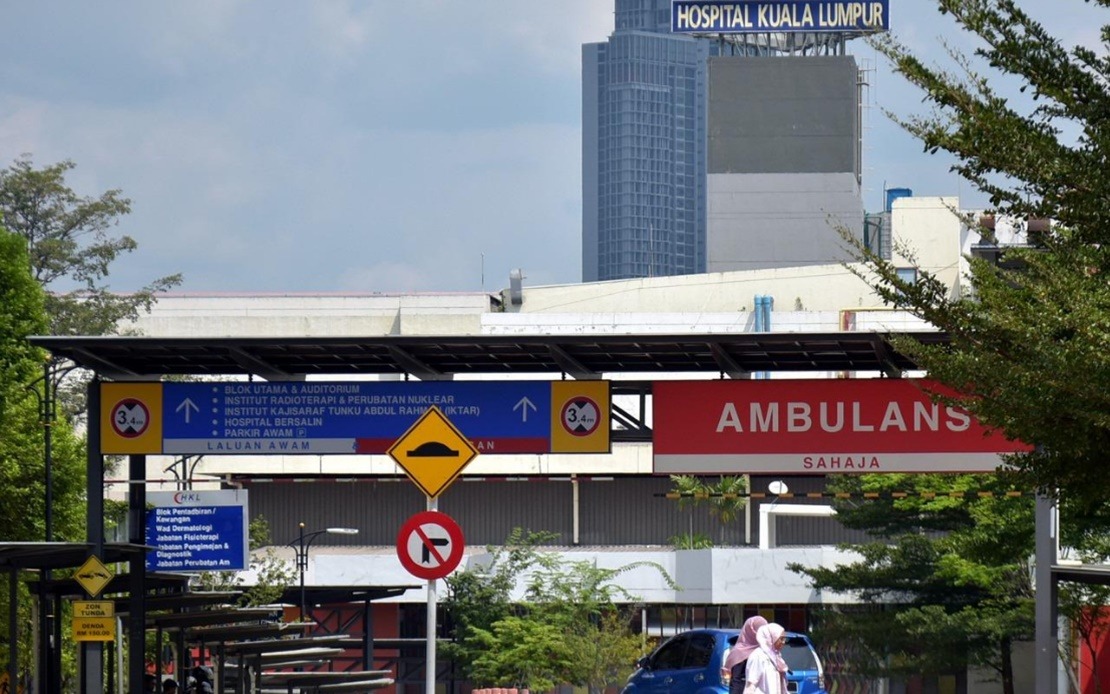
A viral video circulating on social media has triggered a swift response from Hospital Kuala Lumpur (HKL), which has categorically rejected claims that the unsanitary toilet conditions depicted in the footage belong to the institution. The video, which gained significant traction on Facebook, showed images of severely neglected toilet facilities featuring overflowing urinals and soiled floors, sparking public concern about hygiene standards at what viewers believed to be a government healthcare facility in the capital.
In an official statement released on August 1, HKL director Datuk Dr Harikrishna K. R. Nair disclosed that the hospital had launched an immediate and comprehensive investigation into the allegations. The directive came swiftly after management became aware of the video's rapid spread across social media platforms, recognising the potential reputational damage such claims could inflict on an institution that serves hundreds of thousands of patients annually.
The central finding of HKL's investigation was unequivocal: the toilet facilities featured in the viral video do not fall under the hospital's jurisdiction or maintenance purview. Dr Harikrishna emphasised that the design and configuration of the toilet shown in the footage differ markedly from those installed throughout HKL's various departments and patient service areas. This architectural distinction served as a key piece of evidence supporting the hospital's contention that the video portrays facilities elsewhere in the city rather than within its own buildings.
Beyond the factual rebuttal, HKL's response highlighted a broader concern about the spread of unverified information on social media platforms. The hospital characterised the circulation of the video without proper verification as an irresponsible act capable of undermining public confidence in healthcare institutions and damaging the professional reputation of hospital staff. The statement reflected growing institutional anxiety across Malaysia's healthcare sector regarding how social media can rapidly amplify allegations, whether substantiated or not, particularly when hygiene and patient safety are at stake.
HKL's management made clear that cleanliness, safety, and visitor comfort remain non-negotiable priorities within the institution's operational framework. The hospital operates a scheduled maintenance programme designed to ensure all toilet facilities, washrooms, and sanitary areas across its premises consistently meet established healthcare standards and regulatory requirements. Regular inspections and cleaning schedules form part of the hospital's quality assurance mechanisms, reflecting its commitment to providing dignified and hygienic environments for patients, families, and medical staff.
The incident underscores the persistent challenge facing public healthcare institutions in Malaysia regarding facility maintenance and public perception. While HKL's swift investigation and transparent response demonstrate institutional responsiveness, the incident raises questions about the broader state of sanitation facilities across the country's public hospital network. Poor toilet conditions at healthcare facilities not only affect patient experience but can also undermine confidence in the quality of medical care being delivered, creating indirect but meaningful consequences for public health engagement.
HKL's appeal for the public to cease sharing the video reflects a delicate balance between defending institutional credibility and avoiding the appearance of censoring legitimate criticism. The hospital's invitation for public feedback through official channels suggests a willingness to address genuine concerns, while simultaneously drawing a line against what it views as misinformation. This approach acknowledges that in an era of instantaneous digital communication, institutions must maintain mechanisms for two-way dialogue with the communities they serve.
For Malaysian healthcare administrators and policy makers, the incident illustrates the critical importance of proactive communication strategies and robust facility maintenance programmes. As social media continues to shape public opinion about government services, healthcare institutions increasingly cannot rely solely on their reputation; they must actively demonstrate commitment to hygiene and safety through visible maintenance, transparent communication, and rapid response protocols when concerns are raised.
The broader implications extend beyond HKL's operations. Public hospitals across Malaysia and Southeast Asia face similar pressures regarding facility standards and public scrutiny. In a region where healthcare infrastructure development remains uneven, and where public institutions often operate under budget constraints, the challenge of maintaining visible standards of cleanliness becomes both a technical and political matter. Viral videos highlighting neglected facilities, whether accurate or misattributed, can erode public trust in healthcare systems at a time when strong institutional credibility is essential for pandemic preparedness and routine healthcare delivery.
As HKL continues to welcome formal feedback through its official channels, the hospital's statement implicitly acknowledges that the age of institutional gatekeeping over information is over. Public perception of healthcare facilities, particularly regarding hygiene, cannot be managed through denial alone; it requires consistent demonstration of standards and genuine responsiveness to legitimate concerns. The incident serves as a reminder that in Malaysia's increasingly digitally connected society, healthcare institutions must combine defensiveness about false claims with genuine commitment to transparent facility management and public engagement.

