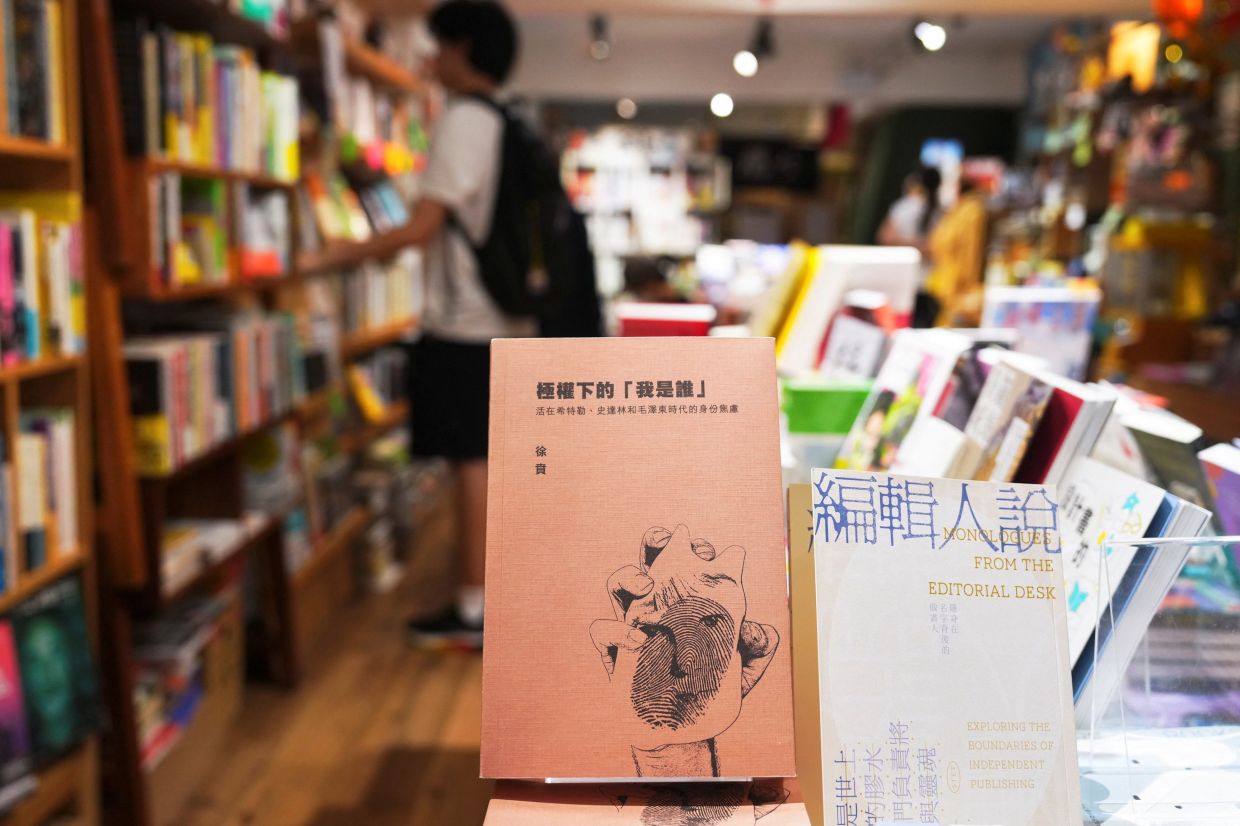
Hong Kong's top security official has placed booksellers on notice, instructing them that they bear responsibility for ensuring the titles they stock do not threaten national security. The warning from Secretary for Security Chris Tang came just one day after police arrested five individuals connected to two independent bookstores in the latest enforcement action targeting the publishing sector.
The Wednesday police operations, which raided Have A Nice Stay—a bookshop founded by former journalists—and the established Greenfield Book Store, represented the third enforcement action against independent retailers in as many months. Authorities accused the five arrested persons of displaying and selling seditious materials, claiming the publications stirred up hatred against Hong Kong's government, judiciary, and law enforcement. Two of those detained were subsequently released on bail by Friday morning, though the precise charges they face remain under scrutiny.
Tang's comments, delivered at the legislative building on Thursday, drew immediate parallels to food safety regulations in an effort to normalise the oversight. He likened the bookseller's obligation to vet content to a restaurateur's duty to ensure food safety, suggesting that refusing to monitor publications was equivalent to knowingly serving poisoned or illegal food. When pressed on whether authorities would publish a definitive list of prohibited titles, Tang demurred, arguing that such an approach would undermine effective law enforcement targeting works with seditious intent. He added that the government would not "let criminals off the hook" by establishing transparent boundaries.
The vagueness surrounding what constitutes prohibited content has become a flashpoint for critics of Hong Kong's evolving regulatory environment. Have A Nice Stay announced its closure on August 30 through social media, citing both financial strain and what it described as an "elusive red line" as contributing factors. The bookstore's statement underscored the practical dilemma facing retailers: lacking clear guidance, staff cannot reliably determine which volumes might be deemed problematic under current interpretations of national security law.
This latest enforcement wave follows a pattern established earlier in the year. In March, police arrested the owner and staff of Book Punch, another independent retailer, on suspicion of selling seditious publications. The operation coincided with scrutiny of titles including the biography of Jimmy Lai, the pro-democracy media magnate sentenced to 20 years imprisonment in his own national security case. That arrest signalled that even biographical works concerning prominent political figures could attract official attention. A further police action in June netted two additional booksellers suspected of both selling seditious materials and receiving funding from foreign political organisations, broadening the scope of potential legal exposure.
The cumulative effect of these operations has raised profound questions about freedom of expression in the territory, particularly among international observers and regional democracies. Taiwan, the self-governing island that Beijing claims as its own, has become increasingly vocal about Hong Kong's publishing environment. President Lai Ching-te posted on Facebook that Hong Kong's freedoms of expression and publication face mounting pressure, characterising independent bookstores as essential guardians of free thought. Liang Wen-chieh, deputy minister of Taiwan's Mainland Affairs Council, disclosed that some Taiwanese publishers have begun self-censoring their book selections when preparing for participation in Hong Kong book fairs, effectively allowing Hong Kong's regulatory climate to influence editorial decisions made across the Taiwan Strait.
For Malaysian readers and regional observers, Hong Kong's trajectory offers a cautionary lesson about how security-focused legislation can reshape cultural and intellectual space. The absence of published guidelines creates what legal scholars term a "chilling effect," whereby uncertainty about permissible content encourages self-censorship even among those not directly targeted by enforcement. Booksellers, publishers, and readers respond rationally to this ambiguity by withdrawing materials that might trigger official scrutiny, regardless of their actual legal status. The comparison Tang drew to food regulation also reveals the mindset: just as restaurants must certify safety, booksellers are now expected to become quasi-regulators of political content, a responsibility that most lack expertise or resources to discharge.
The regional implications extend beyond Hong Kong itself. Taiwan's experience demonstrates how enforcement in one jurisdiction influences publishing decisions across borders, effectively extending Hong Kong's regulatory reach into neighbouring economies. Malaysian publishers, who have historically maintained robust trade relationships with Hong Kong distributors and retailers, may face similar pressures as their counterparts in Taiwan navigate which titles to promote in the territory. This internationalisation of Hong Kong's content restrictions represents a subtle but significant shift in regional publishing norms.
Tang's insistence that the law is clear, coupled with his refusal to codify it, encapsulates a fundamental tension in Hong Kong's current governance approach. When security officials simultaneously demand compliance with undefined standards and resist publishing those standards, they grant themselves significant discretionary enforcement power while limiting their subjects' ability to comply in good faith. This dynamic particularly disadvantages smaller, independent operators who cannot afford the legal compliance infrastructure of larger publishers or the political capital to negotiate acceptable boundaries. The closure of Have A Nice Stay and the arrests at other stores suggest that the regulatory burden has already begun reshaping Hong Kong's retail publishing landscape, potentially consolidating influence among larger, more risk-averse corporate publishers.

