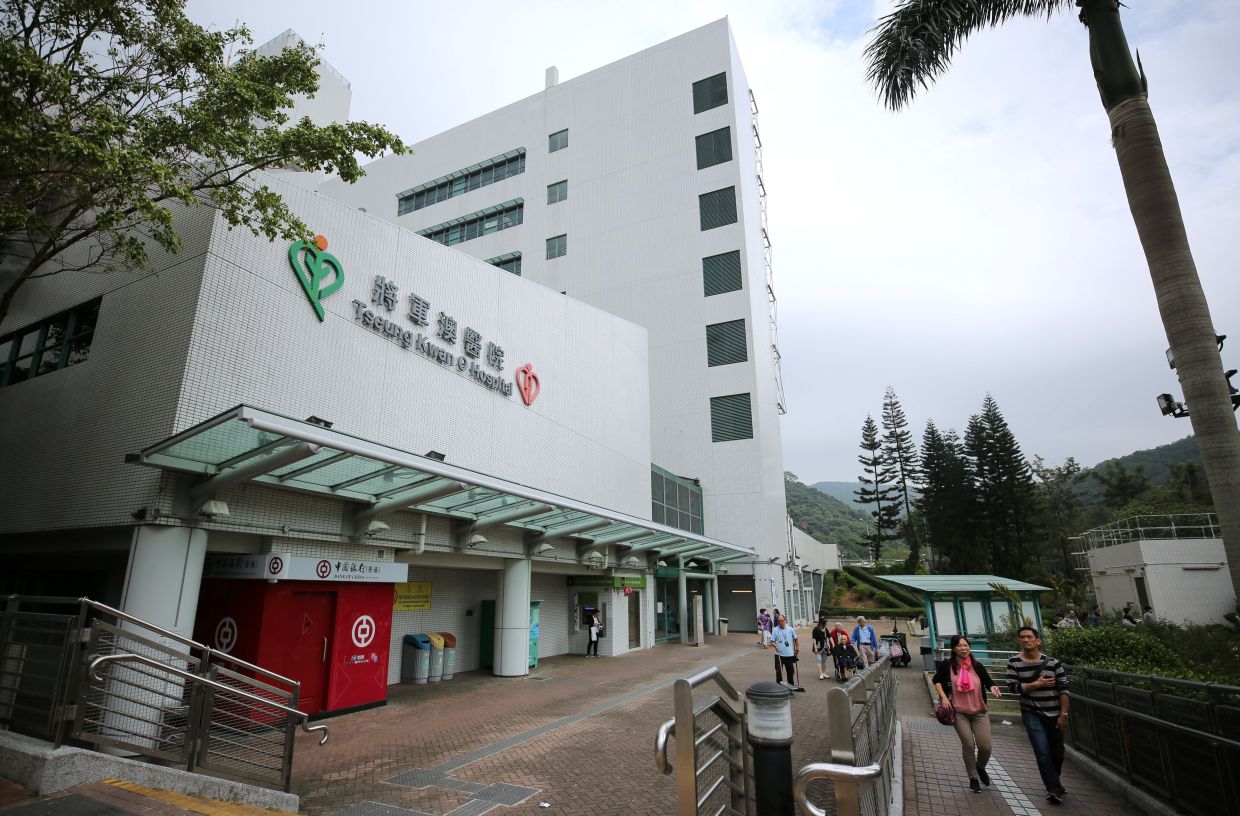
Tseung Kwan O Hospital in Hong Kong has released findings from an investigation into a surgical disaster that cost an elderly patient her life, identifying cognitive errors and systemic failures that contributed to one of the most troubling examples of medical misadventure in recent years. The incident, which occurred on February 7 and resulted in the death of an 85-year-old woman three weeks later, has reignited debate about accountability in Hong Kong's public healthcare system and raised uncomfortable questions about whether existing safeguards are sufficient to prevent such catastrophic errors.
The patient, suffering from obstructive sigmoid colon cancer, had been admitted for what should have been a straightforward transverse colostomy—a procedure designed to relieve an intestinal blockage by creating a surgical opening in the abdominal wall. During the operation, the surgeon proceeded with the procedure but fundamentally misidentified the anatomical structures being operated upon. Rather than creating the opening in the transverse colon as intended, the surgical team exteriorised the stomach, essentially creating the stoma in the wrong organ entirely. The patient's vital signs remained stable immediately after the operation, masking the gravity of what had transpired in the operating theatre.
The error went undetected for weeks, a delay that proves particularly significant in understanding how systemic breakdowns compounded the initial surgical mistake. Medical staff noted that the patient had unusually high stomal output—a warning sign that something was amiss—but this observation did not trigger the immediate reassessment that should have followed. The patient was subsequently transferred to Haven of Hope Hospital for rehabilitation, where she continued to deteriorate. By the time she developed low blood pressure and an elevated heart rate on March 1, it was too late to prevent the cascade of complications that would follow. She was transferred back to Tseung Kwan O Hospital on March 2, and a CAT scan finally revealed the truth: the stoma had been created in the stomach rather than the colon. Despite efforts to stabilise her condition, she died on March 3 after her family agreed to a do-not-attempt-resuscitation order.
The hospital's investigation report attributes the initial surgical error to what it describes as "confirmation bias" on the part of the surgeon. This psychological phenomenon, where individuals selectively interpret information in a way that confirms their pre-existing beliefs or expectations, appears to have led the surgeon to misidentify abdominal cavity structures despite having adequate anatomical references available. The surgeon failed to employ additional confirmation measures that would have caught the error before proceeding, a departure from basic surgical safety protocols that should mandate multiple checks before any major procedural step. This finding is particularly troubling because confirmation bias is a well-documented cognitive pitfall in medical practice, one that should theoretically be mitigated through established double-check procedures and team engagement.
Beyond the individual surgeon's cognitive error, the investigation uncovered multiple layers of institutional failure that allowed the mistake to persist for nearly a month before detection. The medical team demonstrated inadequate monitoring of the abnormal stomal output—a clear red flag that went largely unheeded. Communication between the surgical team at Tseung Kwan O Hospital and the rehabilitation team at Haven of Hope Hospital proved insufficient, delaying the clinical reassessment that might have prompted earlier intervention. The report also noted that some healthcare staff involved lacked sufficient experience to recognise abnormal findings, raising questions about staffing levels and professional development in Hong Kong's public hospitals. These systemic deficiencies worked in concert with the initial surgical error to extend the patient's suffering and ultimately contribute to her death.
The disclosure of the incident in March came only after media inquiries prompted the hospital to acknowledge what had occurred. The public hospital subsequently launched a formal investigation and referred the case to the Coroner's Court, recognising the severity and potential legal implications. The subsequent report represents an unusually candid assessment of failure within Hong Kong's healthcare bureaucracy, though critics argue that candour without meaningful consequences rings hollow to bereaved families and the broader public.
Former Hong Kong lawmaker Michael Tien Puk-sun has emerged as a vocal critic of the hospital's handling of the matter, pointing out that the surgeon in question carries a history of previous errors. Rather than accepting the hospital's stated commitment to improvement, Tien has called for decisive action, specifically suggesting that demotion or dismissal should be considered. His comments reflect growing frustration within Hong Kong society that repeated pledges to enhance patient safety following medical disasters have not translated into the systemic reforms necessary to prevent recurrence. "The investigation findings were unbearable, and the authority says it will make improvements all the time following blunders," Tien stated. "When will we really see improvement? The latest blunder is a rookie mistake, which damaged Hong Kong's brand as a medical service hub." His invocation of Hong Kong's reputation as a world-class medical centre underscores the broader reputational stakes for the territory's healthcare system.
In response to the investigation's findings, Tseung Kwan O Hospital has committed to implementing a range of recommendations designed to prevent similar incidents. These measures include a comprehensive review of clinical governance within the surgery department, ensuring that surgical teams remain involved with patient care even after transfers to other facilities or departments, and requiring stoma and wound care specialists to conduct post-operative assessments with proper documentation and timely reporting protocols. The hospital has already begun restructuring its department of surgery under a cluster-based governance model intended to strengthen oversight and interdepartmental communication.
The hospital has also indicated that it will pursue human resources procedures with respect to the doctors involved in the incident and has signalled that it may refer the case to Hong Kong's Medical Council for further professional disciplinary action. These steps suggest that individual accountability mechanisms are being activated, though the ultimate scope and severity of any professional consequences remain to be determined. The Medical Council's involvement could result in suspension of the surgeon's licence or other restrictions on his ability to practise, decisions that will likely draw intense public scrutiny.
For Malaysian and broader Southeast Asian healthcare observers, this incident underscores the universal vulnerability of even well-regarded medical systems to catastrophic error when proper protocols are not rigorously enforced. The combination of cognitive bias, inadequate monitoring, poor communication, and insufficient staffing experience represents a warning that no healthcare system can claim immunity from such failures. The incident serves as a sobering reminder that investment in safety culture, robust checklists, and mandatory team communication procedures represents not merely bureaucratic overhead but essential protection against preventable harm. How Hong Kong's healthcare system responds to these findings—and whether the promised reforms translate into genuine practice change—will likely influence how other Asian healthcare administrators approach similar systemic vulnerabilities in their own institutions.

%22%2F%3E%3C%2Fpattern%3E%3C%2Fdefs%3E%3Crect%20width%3D%22100%25%22%20height%3D%22100%25%22%20fill%3D%22url(%23ph1c6k9g)%22%2F%3E%3Crect%20width%3D%22100%25%22%20height%3D%22100%25%22%20fill%3D%22url(%23ph1c6k9p)%22%2F%3E%3Ctext%20x%3D%2250%25%22%20y%3D%2250%25%22%20text-anchor%3D%22middle%22%20dominant-baseline%3D%22central%22%20fill%3D%22rgba(255%2C255%2C255%2C0.95)%22%20font-family%3D%22Georgia%2C%20'Times%20New%20Roman'%2C%20serif%22%20font-weight%3D%22700%22%20font-size%3D%22170%22%20letter-spacing%3D%22-0.02em%22%3EMalaysia%3C%2Ftext%3E%3C%2Fsvg%3E)
%22%2F%3E%3C%2Fpattern%3E%3C%2Fdefs%3E%3Crect%20width%3D%22100%25%22%20height%3D%22100%25%22%20fill%3D%22url(%23ph41swg)%22%2F%3E%3Crect%20width%3D%22100%25%22%20height%3D%22100%25%22%20fill%3D%22url(%23ph41swp)%22%2F%3E%3Ctext%20x%3D%2250%25%22%20y%3D%2250%25%22%20text-anchor%3D%22middle%22%20dominant-baseline%3D%22central%22%20fill%3D%22rgba(255%2C255%2C255%2C0.95)%22%20font-family%3D%22Georgia%2C%20'Times%20New%20Roman'%2C%20serif%22%20font-weight%3D%22700%22%20font-size%3D%22320%22%20letter-spacing%3D%22-0.02em%22%3EPM%3C%2Ftext%3E%3C%2Fsvg%3E)