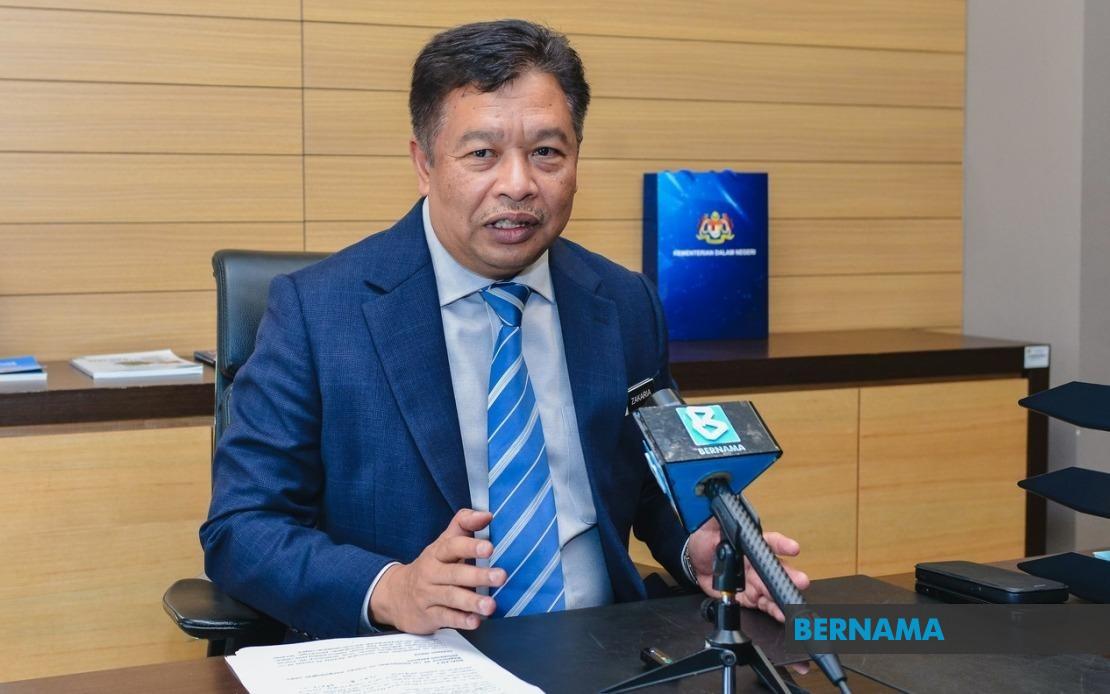
The Immigration Department has elevated its operational readiness to maximum levels ahead of the Johor State Election, with immigration officials working to guarantee seamless processing at the country's busiest entry points. Datuk Zakaria Shaaban, the department's director-general, outlined the comprehensive measures being implemented to handle the expected influx of voters returning from Singapore to cast their ballots on July 11. The emphasis on operational continuity reflects growing concern about the logistics of managing voter movement across one of Southeast Asia's most critical borders during a significant political event.
Current inspection systems at two major gateways—the Sultan Abu Bakar Complex in Tanjung Kupang and the Sultan Iskandar Building connecting JB Sentral to Woodlands—are functioning normally according to department assessments. Zakaria highlighted that existing infrastructure remains adequate for the anticipated traffic surge, with no immediate plans to deploy new technological systems. This pragmatic approach prioritises stability over untested innovations, recognising that border operations during election periods demand absolute reliability. The decision to maintain proven systems rather than implement experimental upgrades demonstrates the department's focus on risk mitigation during a politically sensitive timeframe.
Technical preparedness has become a cornerstone of the immigration strategy. A dedicated technical team will maintain round-the-clock monitoring of system performance to identify and rectify any issues before they impact voter movement. The department's contingency planning includes immediate manual processing procedures should digital systems experience disruptions, ensuring that queues do not obstruct citizens attempting to fulfil their electoral duties. This layered approach—combining automated efficiency with human backup capabilities—reflects lessons learned from previous high-volume border operations and acknowledges the critical importance of maintaining voter confidence in the electoral process.
The scale of the challenge should not be underestimated. The Sultan Iskandar Building and Sultan Abu Bakar Complex collectively process up to 300,000 people daily under normal circumstances, making them among the world's most heavily trafficked gateways. During election periods, this volume can surge unpredictably, placing strain on both infrastructure and personnel. For voters working in Singapore—a significant demographic given the cross-border nature of employment in the Johor-Singapore economic region—unimpeded border crossing becomes not merely a convenience but a prerequisite for democratic participation.
Home Minister Datuk Seri Saifuddin Nasution Ismail has provided ministerial-level assurance that his portfolio will coordinate comprehensive support for this operation. The government has activated detailed mitigation strategies specifically designed to address potential system failures or unexpected disruptions. This inter-departmental coordination demonstrates that election administration in Malaysia's border regions demands seamless cooperation between immigration, customs, and quarantine authorities. The involvement of the Home Ministry signals the political importance attached to ensuring that no citizen encounters preventable barriers to voting.
The timing of these preparations highlights the logistical complexities inherent in conducting elections within Malaysia's highly integrated borderland economy. Tens of thousands of Johor residents work across the border in Singapore's financial and service sectors, creating a mobile electorate that requires special accommodation during polling periods. The state election's scheduling necessitated careful planning to enable these workers to return without disrupting their employment obligations or missing their chance to vote. This balancing act underscores how modern cross-border employment patterns complicate traditional electoral administration.
The 16th Johor State Election itself represents a substantial undertaking, with 172 candidates competing for 56 seats across the state. Early voting has been scheduled for July 7, providing an alternative pathway for those unable to vote on the main polling date. This staggered voting arrangement reduces pressure on border infrastructure by distributing the electorate across multiple days. However, it also requires immigration officials to maintain heightened readiness across an extended period rather than managing a single surge.
From a broader Southeast Asian perspective, this election demonstrates how democratic processes in the region must accommodate the increasing fluidity of labour markets and cross-border mobility. Singapore and Malaysia's tight economic integration means that electoral logistics increasingly involve coordination across national boundaries. The immigration department's preparations reflect a recognition that excluding or frustrating cross-border workers from voting undermines democratic legitimacy while also potentially damaging the economic relationships that make this mobility possible in the first place.
The department's public commitment to problem-free operations carries implicit reassurance to the broader business community relying on border stability. Any significant disruption at entry points—whether election-related or not—can cascade through supply chains and commercial operations dependent on fluid cross-border movement. By emphasizing technical preparedness and backup procedures, immigration officials are signalling to employers and workers alike that the state takes seriously its obligation to maintain operational continuity during politically important periods.
For Malaysian readers, particularly those working across borders or managing businesses dependent on cross-border labour, these preparations represent institutional competence in action. The detailed planning described by immigration officials suggests a bureaucracy learning from past experiences and proactively addressing foreseeable challenges. The willingness to acknowledge contingency procedures—rather than projecting false invulnerability—actually strengthens public confidence by demonstrating realistic, seasoned operational thinking.
Looking forward, the success or otherwise of these border operations during the Johor election will likely set precedents for future electoral events in Malaysia. As cross-border mobility becomes increasingly normalised throughout Southeast Asia, governments will need to develop sophisticated approaches to accommodating mobile electorates without compromising security protocols or electoral integrity. Malaysia's experience in this area may offer valuable lessons for other regional nations managing similar demographic and economic dynamics.

