The Indian education system faces significant turmoil as over 2 million medical school aspirants prepare to retake one of the country's most competitive entrance examinations on June 21, a second attempt forced upon them by circumstances entirely beyond their control. The original examination, conducted on May 3, saw its results scrapped following widespread allegations on social media that the question paper had been compromised before the test began. For students who have invested years of intensive preparation for this singular opportunity, the cancellation represents not merely an inconvenience but a profound disruption to carefully laid academic plans and emotional well-being.
The National Eligibility cum Entrance Test, commonly known as NEET, stands as one of India's most rigorous gatekeeping mechanisms for medical education. The examination's extreme selectivity underscores the stakes involved: fewer than 6 per cent of candidates who attempt the test ultimately secure positions at medical institutions. This extraordinarily low success rate means that for the vast majority of participants, each examination represents a critical opportunity that may not easily present itself again. The pressure inherent in such a high-stakes assessment has long been documented as a source of psychological strain among Indian students, yet the current situation has amplified this burden significantly.
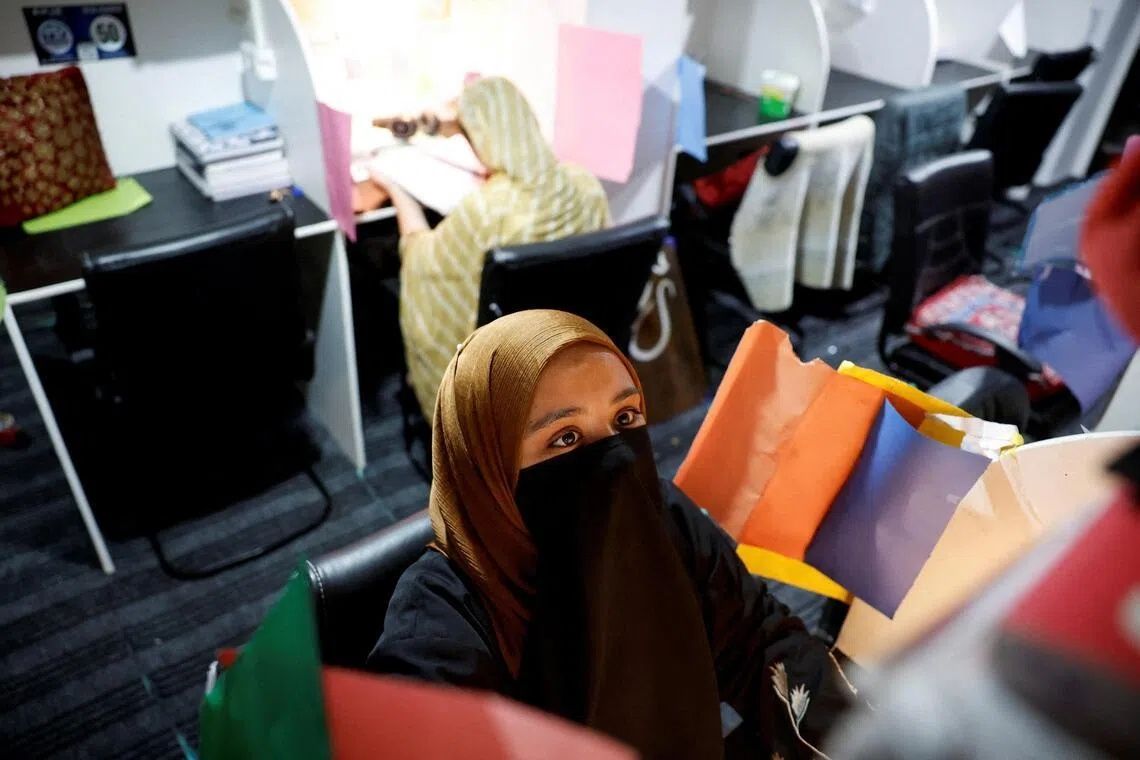
Students articulate the psychological toll with striking clarity. Alima Javed, a 20-year-old candidate from Srinagar, captures the frustration permeating among test-takers when she describes how years of dedicated study have been overshadowed by institutional failure. Her sentiment—that the examination itself drains mental reserves, only to have those efforts rendered meaningless by a leaked question paper—reflects a broader sense of betrayal among the student population. The prospect of preparing afresh and retaking the examination without guaranteed assurance of its integrity has compounded anxiety levels beyond what the test ordinarily produces.
The examination paper leak scandal has rapidly evolved into a significant political challenge for Prime Minister Narendra Modi's government. Student demonstrations have erupted across multiple Indian cities, with hundreds of participants mobilising to express their frustration with educational authorities' management of the situation. These protests represent not merely complaints about a single failed examination but rather broader concerns about institutional integrity and governmental competence in overseeing critical educational processes. The political dimensions of the controversy have intensified scrutiny of the Modi administration's handling of India's education sector.
Allegations have circulated through media channels and opposition political figures suggesting that the examination cancellation has contributed to student suicides, though substantiating such claims has proven difficult. Nevertheless, the perception that the scandal's psychological consequences may have resulted in tragic outcomes has further elevated the gravity of the situation and amplified demands for accountability. Mental health professionals have observed increased consultation requests from anxious examination candidates, with some, like the 20-year-old Aliya Jalaal, requiring psychiatric intervention to manage the stress accompanying their examination preparation.
Education Minister Dharmendra Pradhan has publicly committed to ensuring that the rescheduled examination will proceed under conditions that are demonstrably fair and transparent. However, translating such assurances into concrete measures that would restore student confidence presents considerable challenges. The government has implemented various operational changes designed to prevent recurrence of the alleged breach, yet these measures have failed to substantially alleviate the anxiety pervading the candidate population. The credibility gap between official promises and student perceptions of institutional reliability remains pronounced.
The government's response has extended into the realm of telecommunications policy, demonstrating the perceived severity of the breach. Authorities ordered a temporary ban on the messaging application Telegram, justified on grounds that the platform's anonymity features and ease of channel recreation facilitated coordination among those allegedly involved in question paper circulation. On June 19, an Indian court validated this governmental action, ruling that the telecommunications restrictions were both legally permissible and reasonably justified. The decision to target a specific platform underscores official determination to prevent further leaks, though the measure has attracted criticism from digital rights advocates concerned about freedom of expression implications.
Investigative authorities have launched comprehensive multi-agency inquiries into the origins and mechanics of the alleged question paper leak. Investigators are pursuing multiple investigative threads, including examination of financial transactions believed connected to cheating networks and tracking communication patterns among suspected perpetrators. Arrests have been reported across several Indian states, with government officials signalling that those convicted in connection with examination fraud will face enhanced penalties designed to deter future misconduct. These enforcement efforts represent an attempt to identify and prosecute individuals responsible for the breach.
Beyond investigative action, the government has announced structural modifications intended to fortify examination security frameworks. Enhanced surveillance at testing centres, more rigorous protocols governing question paper custody, and implementation of digital tracking technologies for examination materials constitute the announced preventive measures. These reforms reflect recognition that traditional security measures proved insufficient to prevent the alleged May breach. Nevertheless, despite these announcements, the student population remains unconvinced that such measures adequately address the fundamental vulnerability that permitted the original leak.
The psychological impact on candidates extends beyond examination anxiety to encompass broader concerns about educational system reliability. Students preparing for retakes must simultaneously manage the stress of examination preparation and navigate uncertainty regarding whether the rescheduled test will genuinely provide the secure, fair conditions authorities have promised. For many candidates, the prospect of investing additional weeks in examination preparation carries the risk of repeating the emotional devastation experienced when original results were cancelled. This prospect of potential recurrence has created a psychological liability affecting concentration and sustained motivation.
For Malaysian and Southeast Asian observers, the Indian examination scandal offers instructive lessons regarding the vulnerability of large-scale examination systems to compromising breaches. As regional nations administer similarly competitive entrance examinations determining university admissions and professional qualifications, India's experience highlights the necessity of robust security protocols and transparent institutional accountability structures. The crisis illustrates how examination system failures cascade beyond individual test-takers to create broader public confidence deficits in educational institutions, with potential long-term consequences for educational sector credibility.
The situation also underscores the mental health dimensions of high-stakes examination cultures prevalent throughout South Asia. India's handling of student psychological distress during the scandal reveals gaps in institutional support systems and underscores the necessity of integrating mental health resources into examination administration frameworks. As educational pressure intensifies across the region, policymakers increasingly must balance competitive assessment demands with student welfare considerations, a challenge exemplified acutely by the current NEET examination crisis.