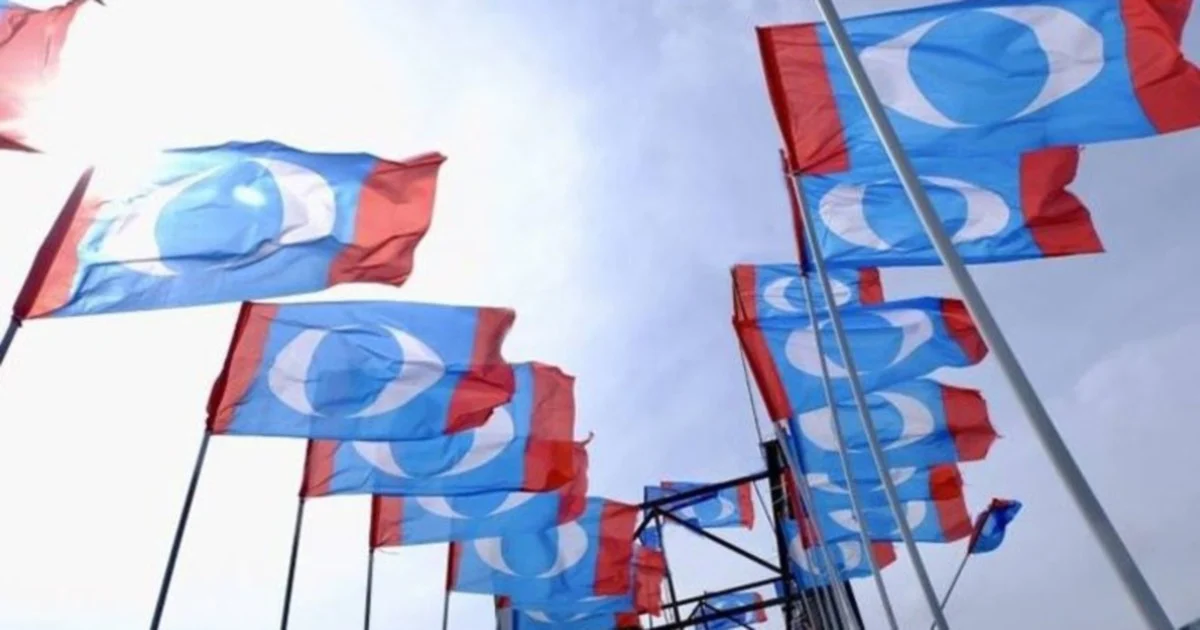
PKR's preparation for the Johor and Negri Sembilan state elections has reached its final stages, with party secretary-general Datuk Dr Fuziah Salleh indicating that the candidate nomination process stands at 99 per cent completion. The announcement, made in Johor Baru, signals that the People's Justice Party is on track to present its full slate of candidates to voters in these two crucial state contests.
The near-completion of PKR's candidate selection represents a critical milestone in the party's electoral preparation cycle. With nominations substantially locked in, the party can now shift focus towards ground-level campaigning and messaging strategies across both states. This timing allows candidates to establish themselves in their respective constituencies well ahead of nomination day, when the official candidate lists will be submitted to the Election Commission.
The two state elections carry considerable significance for Malaysia's political landscape. Johor, long a Barisan Nasional stronghold, represents a test of Opposition strength in the peninsula's largest state by area, while Negri Sembilan offers another opportunity for coalition politics to be examined following the broader shifts witnessed in recent national polling. PKR's readiness in both states demonstrates the party's commitment to contesting these races seriously rather than treating them as secondary contests.
The finalisation process itself reflects the complexities involved in candidate selection within a democratic party structure. PKR, unlike some rival organisations, has emphasised consultation and representation of diverse grassroots elements within its membership. The remaining one per cent of candidates likely reflects final adjustments based on last-minute considerations such as nomination eligibility verification or accommodation of party strategic priorities that emerged during the selection phase.
For Malaysian voters and political observers, the near-completion of PKR's candidate list provides clarity on how the party intends to structure its challenge in these contests. The comprehensive nature of the slate—suggesting candidates in the vast majority of available seats—indicates that PKR is not merely participating nominally but seeking genuine representation across both state legislatures. This represents a departure from earlier opposition eras when PKR might have selectively contested only winnable seats.
The timing of this announcement also carries strategic implications for coalition politics. PKR operates within the broader opposition framework, and the finalisation of its candidates must be coordinated with other potential partners competing in Johor and Negri Sembilan. Such coordination ensures that opposition votes are not fractured through direct competition between allied parties, a lesson reinforced by previous electoral contests where vote-splitting benefited Barisan Nasional candidates in three-cornered or multi-cornered fights.
Fuziah's confirmation suggests that internal party discussions and deliberations have reached an advanced stage. The selection of candidates is rarely a straightforward exercise, often involving navigation of competing claims from divisions, consideration of incumbent performance, assessment of candidate viability, and management of factional interests within party structures. The compression of this process into a near-final status within a relatively tight timeframe indicates either unusually smooth internal consensus or effective leadership in resolving contentious nominations.
For candidates themselves, the official confirmation approaches represent a transition point from uncertainty to readiness. Selected candidates can now publicly declare their status, mobilise party machinery behind their campaigns, and begin the work of voter engagement and constituency mapping that precedes nomination day. Those who have not made the final list will need to reconcile themselves with that outcome and determine their personal political paths going forward.
The election timeline itself creates natural pressure points for PKR's preparation. Registration of candidates occurs on a specific date set by the Election Commission, followed by a nomination period and then campaigning. With the candidate list at 99 per cent completion, PKR has positioned itself to submit nominations promptly and begin the intensive campaign phase without administrative delays. This operational readiness can translate into an advantage on the ground, where earlier visibility of candidates and party campaigns can help build momentum.
For Southeast Asian observers and Malaysia's political analysts, PKR's methodical approach to candidate selection demonstrates how Malaysian political parties balance internal democracy with electoral efficiency. The party's approach contrasts with some regional neighbours where candidate selection remains more opaque or concentrated in fewer hands. This transparency, while occasionally generating internal friction, builds party legitimacy and member engagement that can prove valuable during campaigns.
Looking ahead, the final one per cent of candidates will likely be resolved within the coming weeks, allowing PKR to present a unified front as the election date approaches. The party will then focus on voter messaging, candidate campaign support, and coordination with other opposition components. Both Johor and Negri Sembilan represent contests where PKR's performance could influence broader perceptions of opposition viability, making the quality of candidate selection and campaign execution matters of consequence for Malaysian political trajectories.