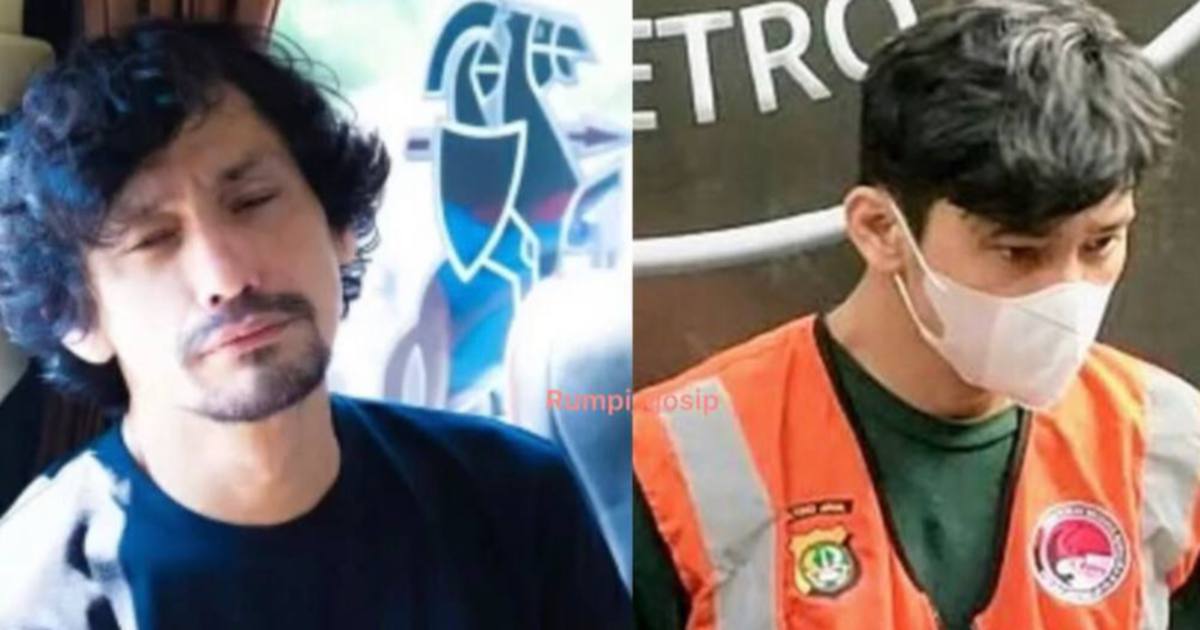
Indonesian actor Revaldo Fifaldi has been arrested once again on drug-related charges, with authorities conducting a raid at a residential apartment in South Jakarta and taking him into custody. The detention marks the fourth arrest for the performer in connection with drug possession and consumption, raising fresh concerns about substance abuse among high-profile entertainment personalities in Indonesia.
Jakarta police executed the operation at the apartment complex, where officers discovered evidence linking Fifaldi to illegal drug use. The raid reflects the Indonesian National Police's intensified focus on addressing narcotics violations in the capital, where enforcement activities have increasingly targeted entertainment industry figures whose cases generate significant public and media attention.
This latest apprehension underscores a troubling pattern in Fifaldi's personal life. The repeated arrests within a relatively short timeframe suggest systemic struggles that rehabilitation and previous legal interventions have failed to resolve. Each detention has brought renewed scrutiny not only on the actor's circumstances but also on broader questions about the effectiveness of Indonesia's approach to drug addiction, particularly regarding celebrities whose visibility amplifies public discourse on substance abuse.
The entertainment sector in Indonesia has witnessed heightened police activity targeting drug-related offences over recent years. High-profile cases have prompted authorities to strengthen narcotics enforcement operations, with particular emphasis on locations frequented by entertainment professionals. South Jakarta, home to numerous residential areas housing entertainment industry workers, has become a focal point for such operations.
Fifaldi's repeated involvement with law enforcement raises important considerations about celebrity accountability in Indonesian society. Public figures occupy influential positions within their communities, and their legal troubles carry implications beyond personal consequences. Media coverage of such arrests sends complex messages to audiences, particularly younger viewers who may look to entertainment personalities as role models.
The broader context involves Indonesia's comprehensive but controversial approach to drug enforcement. The nation maintains some of Southeast Asia's strictest narcotics laws, with severe penalties for possession and trafficking. While authorities argue such measures are essential for public health and security, critics contend that treatment and rehabilitation should receive greater emphasis than punitive approaches, particularly for individuals struggling with addiction.
For individuals like Fifaldi, the cycle of arrest and detention without apparent long-term rehabilitation represents a systemic gap. Multiple arrests suggest that existing intervention mechanisms are insufficient to address underlying addiction issues. The absence of sustained recovery outcomes raises difficult questions about whether the current legal framework adequately supports rehabilitation or primarily focuses on enforcement.
The case also reflects international perspectives on drug policy reform. Across Southeast Asia, there is growing recognition that addiction responds better to comprehensive treatment programs combining medical intervention, psychological support, and social reintegration. Several neighbouring jurisdictions have implemented harm-reduction strategies alongside enforcement, though Indonesia has maintained a more traditional punitive stance.
Within the entertainment industry specifically, Fifaldi's situation highlights occupational pressures that may contribute to substance abuse. The demanding nature of performance careers, irregular working patterns, and industry social networks can create environments where drug use occurs. Supporting entertainment professionals through preventative education, accessible treatment resources, and workplace wellness initiatives remains largely underdeveloped in Indonesia.
The repeated arrests also raise questions about the adequacy of post-release support systems. Between detentions, individuals require structured pathways to recovery including counselling, medical treatment for withdrawal symptoms, family support coordination, and often vocational assistance to facilitate reintegration into society and employment. The absence of comprehensive post-release programming may contribute to recidivism patterns.
For Malaysian audiences, Fifaldi's situation serves as a comparative case study. Malaysia operates similarly stringent drug laws and maintains active enforcement operations targeting narcotics violations. The Malaysian experience with high-profile drug cases demonstrates that legal consequences alone frequently fail to produce lasting behavioral change without accompanying rehabilitation infrastructure and community support mechanisms.
The international entertainment industry similarly grapples with substance abuse among prominent performers. Global experience suggests that recovery outcomes improve significantly when legal systems incorporate mandatory treatment components, mental health assessment, and social support networks rather than emphasizing incarceration alone. Whether Indonesia will evolve its approach toward such integrated models remains to be seen.
As Fifaldi faces yet another legal process, his case exemplifies the complex intersection of celebrity culture, drug policy, and public health in modern Indonesia. Beyond the immediate circumstances of this arrest, the situation underscores broader questions about how societies effectively address addiction among all citizens, whether famous or anonymous, and whether current enforcement-heavy approaches achieve desired public health outcomes.

