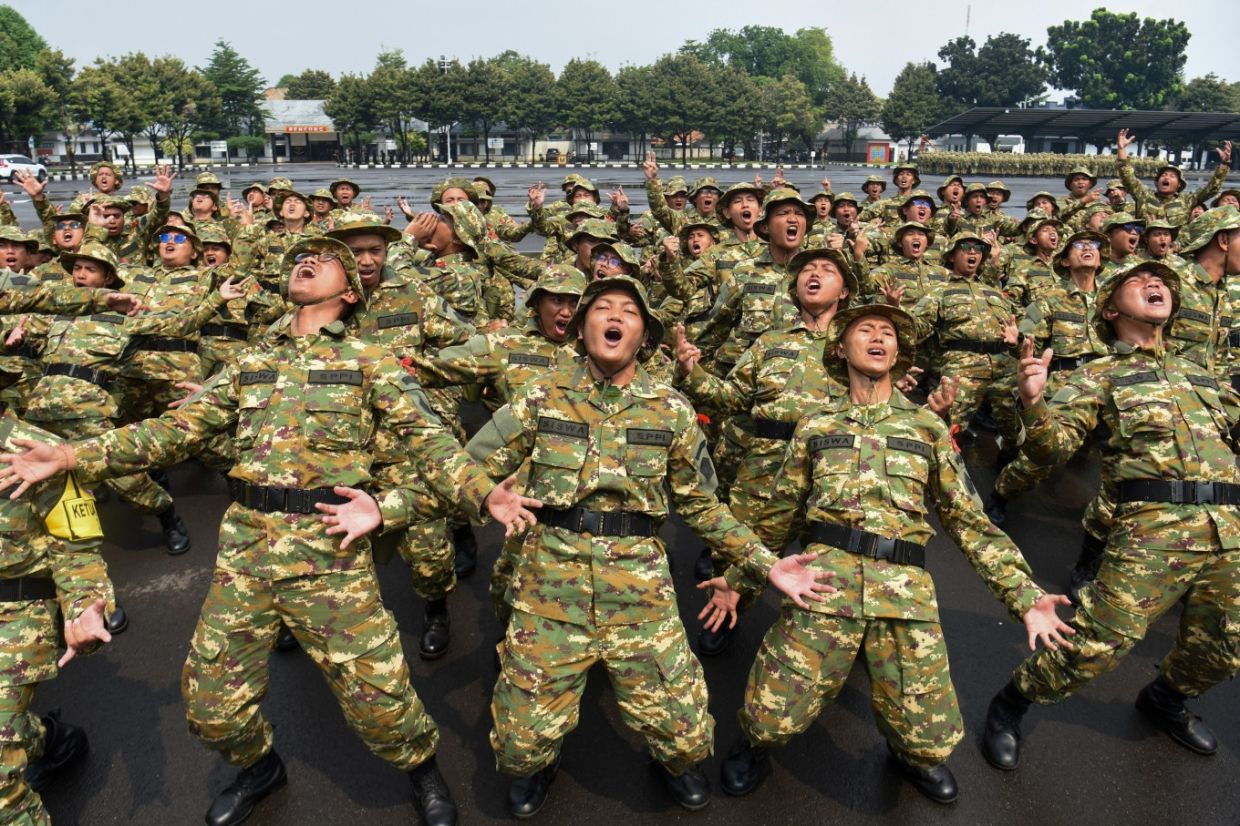
A government training programme aimed at preparing managers for President Prabowo Subianto's flagship rural development initiatives has resulted in four deaths within days, prompting urgent calls from legislators and human rights advocates to halt or substantially modify the scheme. The fatalities have occurred during the initial 30-day military-style training component, overseen by the Defence Ministry's reserve force apparatus and involving more than 35,000 participants nationwide.
The most recent death occurred on Friday 26 June when Muhammad Rifqi Renaldi Gunawan succumbed to respiratory failure whilst undergoing training at a Jakarta Air Force facility. Earlier in the week, two additional deaths were recorded: Anisa Muyassaroh collapsed from heat exhaustion during sessions in Balikpapan, East Kalimantan, whilst Yonanda Muhammad Taufiq suffered cardiac arrest following initial activities at a Baturaja training centre in South Sumatra. A fourth participant, Novia Rahmadhani Sihotang, died in Jakarta after developing complications the Defence Ministry attributed to underlying tuberculosis. These deaths represent an alarming mortality rate within the participant pool and have intensified scrutiny of the programme's design and implementation standards.
The Defence Ministry's response has focused on procedural improvements rather than fundamental programme reassessment. Brigadier General Rico Ricardo Sirait, the ministry's official spokesperson, announced that comprehensive reviews would examine health screening protocols, early identification of medical conditions, participant observation systems, and emergency intervention procedures. This defensive posture contrasts sharply with the more critical positions adopted by civil society organisations and elected representatives, who have questioned whether the military training model itself remains appropriate for civilian cooperative management development.
Amnesty International Indonesia has emerged as the most vocal critic, characterising the deaths as a preventable tragedy resulting from fundamentally misguided policy decisions. Executive director Usman Hamid has called for immediate termination of the military training component, arguing that cooperative management education should focus exclusively on business administration, financial operations, and democratic governance principles. Beyond the immediate safety concerns, Amnesty International has positioned the programme within a broader pattern of militarisation affecting civilian institutions under the current administration, drawing historical parallels to the controversial dual function doctrine that military institutions exercised during Indonesia's New Order period.
The philosophical incompatibility between military training methodologies and cooperative principles represents a significant analytical dimension to this controversy. Cooperatives traditionally operate through democratic decision-making structures, voluntary participation, and collaborative rather than hierarchical organisation. Imposing military-style discipline and command structures upon cooperative management appears contradictory to these foundational principles, according to Amnesty International's assessment. This tension suggests the programme reflects broader institutional assumptions about governance and leadership that may not align with contemporary understandings of effective cooperative management in market economies.
Parliamentary oversight bodies have adopted more measured but still critical positions. Dave Laksono, deputy chair of the House of Representatives Commission I with responsibility for defence matters, has indicated that lawmakers are monitoring implementation whilst supporting refinements to training methodology and emergency response protocols. His statements acknowledge the government's stated objectives regarding discipline and leadership development, whilst simultaneously recognising that current execution has failed to maintain adequate safety standards. Commission member Imas Aan Ubudiyah has emphasised that substantially more rigorous health screening procedures must precede participation, alongside enhanced medical supervision and physical capability assessments integrated throughout training sessions.
Presidential Chief of Staff Dudung Abdurachman has adopted a defensive stance, characterising the training as not particularly physically demanding and suggesting that underlying health conditions may explain the fatalities. His statement that no evidence of negligence has emerged represents a preliminary assessment rather than a conclusive investigation, particularly given that independent inquiries have not yet been completed. The claim that training intensity remains modest appears difficult to reconcile with heat-related deaths and cardiac incidents occurring among participants, suggesting either definitional disagreements about what constitutes demanding physical activity or incomplete information regarding actual training conditions.
The programme's scope and timeline underscore the scale of this undertaking and the implications of these safety failures. Participants who complete the 30-day military training component will subsequently undergo 15 days of managerial instruction before assignment to manage cooperative units and fishing villages. The government's stated objective is establishing 80,000 cooperative units and 5,000 fishing villages by 2029, a target requiring continuous recruitment and training of management personnel. If safety concerns persist throughout the programme's duration, substantially larger numbers of participants will be exposed to similar risks, amplifying both the human and reputational costs.
The policy represents a significant investment in rural economic development, reflecting government priorities regarding agricultural productivity and village-level economic participation. However, the deaths have exposed critical deficiencies in programme design and implementation that extend beyond procedural matters. The fundamental question of whether civilian cooperative managers require military-style training—rather than technical and business management education—remains largely unaddressed by government responses to date. This analytical gap suggests that future reviews risk becoming limited to safety improvements within an essentially unchanged framework rather than serious reconsideration of the programme's basic approach.
For Malaysian and Southeast Asian observers, these developments offer instructive insights into how ambitious rural development initiatives can encounter serious implementation challenges when programme design fails to align with institutional realities and participant capacities. The deaths also illustrate tensions that may emerge elsewhere in the region between military institutions seeking expanded roles in civilian affairs and civil society organisations committed to maintaining institutional boundaries. As Indonesia's government proceeds with reviews and refinements, the scope and nature of those modifications will signal whether genuine policy recalibration is underway or whether adjustments remain cosmetic.
The incident reflects broader questions about institutional innovation in development programming. Whilst novelty and ambition characterise the cooperative and fishing village initiatives, the integration of military training components appears to reflect assumptions about leadership development that deserve critical examination. Subsequent policy iterations will determine whether the programme ultimately succeeds in advancing rural economic development whilst maintaining the safety and dignity of participants, or whether the fundamental approach requires substantial reconceptualisation.

