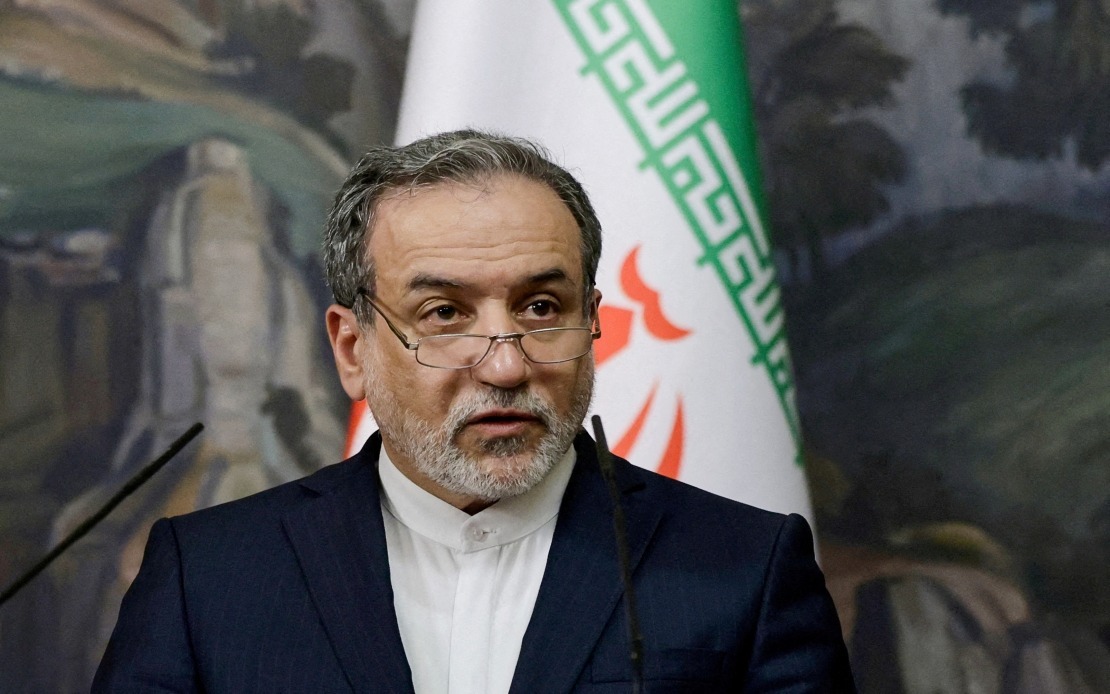
Iran remains undecided about returning to the negotiating table with the United States, its Foreign Minister Abbas Araghchi emphasized in Istanbul on August 15, as the Islamic Republic seeks to distinguish between preliminary diplomatic channels and formal engagement. The clarification comes amid international speculation about whether behind-the-scenes communications through regional mediators signal a thaw in US-Iran relations or represent merely procedural exchanges to manage current tensions.
Araghchi rejected interpretations suggesting that messages flowing through intermediaries in Qatar and Pakistan constitute a resumption of substantive dialogue. He underscored that these communications, while ongoing, fall short of formal negotiations and should not be read as Tehran signalling willingness to return to comprehensive talks with Washington. The distinction matters significantly for Iran's domestic political audience, where any appearance of capitulation to American pressure remains deeply unpopular across both reformist and hardline factions.
The Foreign Minister also disputed claims centred on the so-called Islamabad memorandum, a framework agreement brokered by Pakistan in June that Iran has characterized as ending hostilities rather than establishing a temporary ceasefire. This semantic difference carries substantial implications for the agreement's interpretation and any obligations Tehran might bear regarding its extension or modification. Araghchi contended that the original accord made no provision for a 60-day ceasefire requiring extension, a position that allows Iran greater flexibility in responding to American actions without breaching formal commitments.
According to Araghchi, the United States violated the terms of the Islamabad memorandum, prompting a resumption of fighting and fundamentally altering the agreement's status. By framing American conduct as a breach, Iran positions itself as the wronged party entitled to abandon the framework without bearing responsibility for its collapse. This narrative serves multiple audiences: domestically, it reassures hardliners that Iran has not capitulated; internationally, it attempts to shift blame to Washington for any subsequent escalation.
The 60-day period referenced in the memorandum was intended to provide a window for negotiations toward a permanent settlement, not to codify a specific ceasefire duration, Araghchi explained. This interpretation suggests Iran views the negotiating period as having passed, potentially without achieving sufficient progress to warrant its extension. The statement indirectly signals that absent substantial American concessions, Tehran sees little merit in continuing exploratory discussions under the existing framework.
Parallel to communications regarding potential US engagement, Iran is conducting separate technical discussions with Oman focused on establishing new maritime shipping corridors through the Strait of Hormuz. Araghchi characterized these talks as specialist-level discussions involving Iranian armed forces and Omani technical experts, designed to replace routes that have become untenable given regional instability. The negotiations aim to create a temporary shipping lane that could eventually become permanent, indicating Tehran's expectation that current complications may persist for an extended period.
Crucially, Araghchi separated the Omani maritime negotiations from any broader discussions about reopening the Strait of Hormuz itself. He suggested that determining shipping routes and reopening the strategic waterway are distinct matters, with the latter contingent on other conditions Washington must satisfy. This distinction provides Iran leverage: it can demonstrate technical cooperation and reasonableness on shipping logistics while maintaining that broader waterway access remains conditional on resolving deeper disputes with the United States.
The Foreign Minister's emphasis that no decisions have been taken regarding US negotiations reflects Iran's desire to preserve maximum flexibility while managing expectations among domestic constituencies and international partners. By explicitly denying imminent formal talks, Tehran avoids portraying itself as eager to compromise, a position that could invite intensified American pressure or criticism from Iranian hardliners. Simultaneously, maintaining open channels through mediators preserves the possibility of future engagement should circumstances change.
For Southeast Asian nations dependent on Strait of Hormuz transit for energy security and trade, Iran's statements carry significant implications. Any sustained closure or deterioration of shipping conditions through the waterway would directly impact regional economies, making the outcome of Iranian-American tensions a matter of considerable concern for Malaysia, Singapore, and other trading nations. The discussions about maritime corridors suggest Iran recognizes that maintaining some level of commercial flow serves its economic interests, even amid political tensions.
The broader regional context involves Pakistan and Qatar's continued role as mediators, suggesting both nations maintain confidence in potential diplomatic resolution despite current impediments. Pakistan's investment in the Islamabad memorandum reflects its interests in preventing US-Iran escalation that could destabilize Pakistan itself and threaten regional trade routes. Qatar's involvement continues its established pattern of mediating Gulf regional disputes, a role that enhances Doha's diplomatic influence but also signals the difficulty of achieving breakthrough agreements.
Araghchi's careful language and categorical denials likely reflect internal Iranian debates about whether engagement with the US serves national interests. The Foreign Minister's position allows space for hardliners who oppose normalization while preserving flexibility for pragmatists who recognize the economic costs of continued isolation. This balancing act suggests Iran's decision-making process remains genuinely undecided rather than representing mere tactical posturing.
The question of whether Iran ultimately returns to substantive negotiations with the United States remains genuinely open, dependent on whether either side alters its core position on fundamental disputes. Until that occurs, communications through mediators will likely continue serving their current function: maintaining minimal diplomatic contact while preventing complete breakdown. For regional observers, this inconclusive state represents an unsettling but familiar equilibrium that could persist indefinitely or shift suddenly with changing circumstances.

