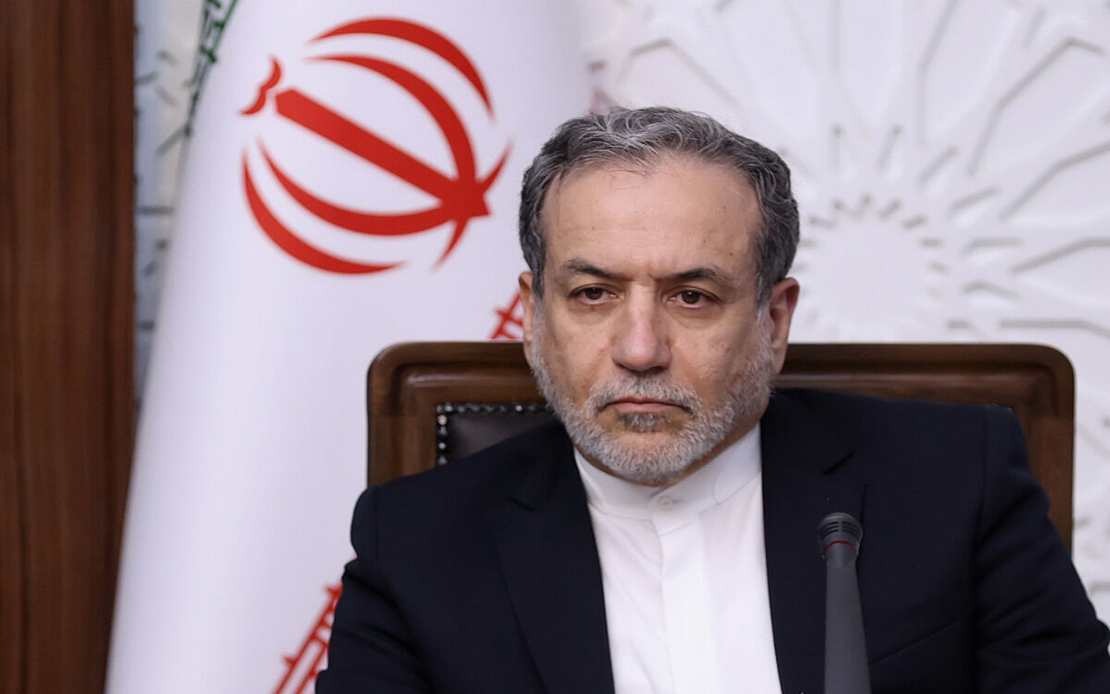
Iran has intensified diplomatic outreach to its neighbours in a bid to defuse mounting regional tensions, with Foreign Minister Abbas Araghchi initiating high-level contacts across the Gulf on Tuesday. The Iranian diplomat held separate telephone conversations with Pakistan's Army Chief Field Marshal Asim Munir and Qatari Foreign Minister Mohammed bin Abdulrahman Al Thani, signalling Tehran's commitment to pursuing dialogue over confrontation amid a volatile geopolitical landscape. The timing of these contacts underscores Iran's strategic recognition that sustained military escalation carries unacceptable risks for all regional players, making multilateral engagement through trusted intermediaries an increasingly attractive pathway forward.
During his discussion with Field Marshal Munir, Araghchi and Pakistan's senior military commander reaffirmed their shared interest in maintaining continuous consultations and coordinated efforts to strengthen peace and stability across South and West Asia. Pakistan's role as a strategic mediator in the region—given its geographical position and relationships with both Iran and Western powers—has elevated Islamabad's importance in recent mediation attempts. The emphasis on joint initiatives reflects an understanding that unilateral actions have repeatedly backfired, with each escalatory cycle generating consequences that extend far beyond the original protagonists and destabilise economies and societies throughout South Asia and the Middle East.
Simultaneously, Araghchi's conversation with the Qatari Foreign Minister centred on leveraging diplomatic channels and sustained coordination to prevent further deterioration in the regional security environment. Qatar, which has maintained relatively balanced relations with multiple powers including Iran and the United States, holds significant credibility as a neutral convener. Al Thani's emphasis on the critical importance of maintaining open communication lines reflects Qatar's experience as a successful mediator in previous regional disputes, including its role in facilitating the June memorandum of understanding between Washington and Tehran—an agreement that Pakistani and Qatari diplomacy proved instrumental in achieving.
A particularly significant development emerged from parallel negotiations between Iran and Oman, which announced a comprehensive framework for establishing a temporary joint shipping corridor traversing the Strait of Hormuz and implementing coordinated mine-clearance operations in this strategically vital waterway. This framework emerged following discussions in Tehran between Omani Foreign Minister Badr Albusaidi and Araghchi, representing a concrete step toward addressing one of the most contentious issues plaguing regional stability. The Strait of Hormuz, through which approximately one-third of global maritime petroleum trade passes, has become a flashpoint where commercial interests, strategic competition, and military posturing intersect dangerously.
Qatar's Foreign Ministry reiterated Al Thani's unwavering commitment to backing diplomatic initiatives designed to restore freedom of maritime navigation while establishing a durable peace framework addressing the region's underlying conflicts. This declaration carries weight given Qatar's demonstrated capacity to maintain dialogue with disparate parties and its willingness to commit resources and political capital to conflict resolution. The Qatari position essentially endorses the Iran-Oman proposal as a constructive confidence-building measure that could eventually facilitate broader negotiated settlements on more intractable issues dividing regional actors.
The announcement of the Iran-Oman framework arrived as US President Donald Trump declared that the American Navy had successfully neutralised all mines previously positioned in international waters within the Strait of Hormuz, either through removal or detonation. This assertion reflects Washington's longstanding policy position treating the waterway as an international shipping lane requiring unfettered access for all vessels regardless of their flag state or cargo origin. The American stance categorically rejects arrangements granting Iran any formal supervisory capacity over maritime traffic, viewing such arrangements as potential mechanisms for Tehran to exercise coercive leverage over global energy supplies.
Washington's strategic preference involves promoting an alternative southern shipping route operating closer to Omani territorial waters while perpetuating its comprehensive sanctions regime targeting Iran's economy and financial sector. This approach allows the United States to maintain maximum pressure on Tehran through economic isolation while ostensibly respecting principles of international maritime law. However, this calculus fails to address Iran's underlying security concerns or acknowledge how unrelenting economic strangulation can paradoxically incentivise more aggressive posturing from cornered adversaries seeking to demonstrate resolve and extract concessions.
The current diplomatic activity must be contextualised within a deteriorating cycle of tit-for-tat military escalations spanning recent months. In late February, coordinated American and Israeli forces launched a surprise military assault on Iranian territory, prompting Tehran to respond with ballistic missile and drone strikes targeting Israeli and American military installations distributed across multiple regional locations. This exchange demonstrated that despite technological asymmetries, Iran possessed capacity for meaningful retaliation, fundamentally altering threat calculations for all participants.
Despite apparent progress from June negotiations that produced a memorandum of understanding involving Pakistani and Qatari mediation, implementation stalled over fundamental disagreements regarding administration and control of the Strait of Hormuz. Neither side proved willing to accept arrangements perceived as legitimising the adversary's claims or yielding strategic advantage. In mid-to-late July, Washington resumed military operations against Iranian targets, with Tehran subsequently retaliating by striking American military assets stationed in allied Arab nations aligned with Washington's regional coalition.
For Malaysia and other Southeast Asian economies heavily dependent on stable energy markets and predictable maritime trade routes, this regional volatility presents genuine economic anxieties. Prolonged disruptions to Strait of Hormuz traffic threaten petroleum supplies and shipping costs affecting ASEAN nations, while expanded military competition invites external powers to deepen regional presence in ways complicating established power balances. Malaysian policymakers rightly observe that neither further escalation nor indefinite stalemate serves regional interests, making diplomatic breakthroughs urgent from multiple perspectives.
The convergence of Iranian diplomatic initiatives with Pakistan, Qatar, and Oman suggests a recognition that military options have exhausted their utility and that negotiated frameworks addressing mutual security concerns represent the only sustainable path forward. Whether this diplomatic opening proves durable depends substantially on whether external powers—particularly the United States—demonstrate flexibility in modifying policies perceived as driven primarily by punishment rather than incentivising behavioural change. The coming weeks will reveal whether Tuesday's discussions catalyse genuine progress or merely represent tactical pauses in an ongoing strategic competition destined to resurface through alternative mechanisms.

