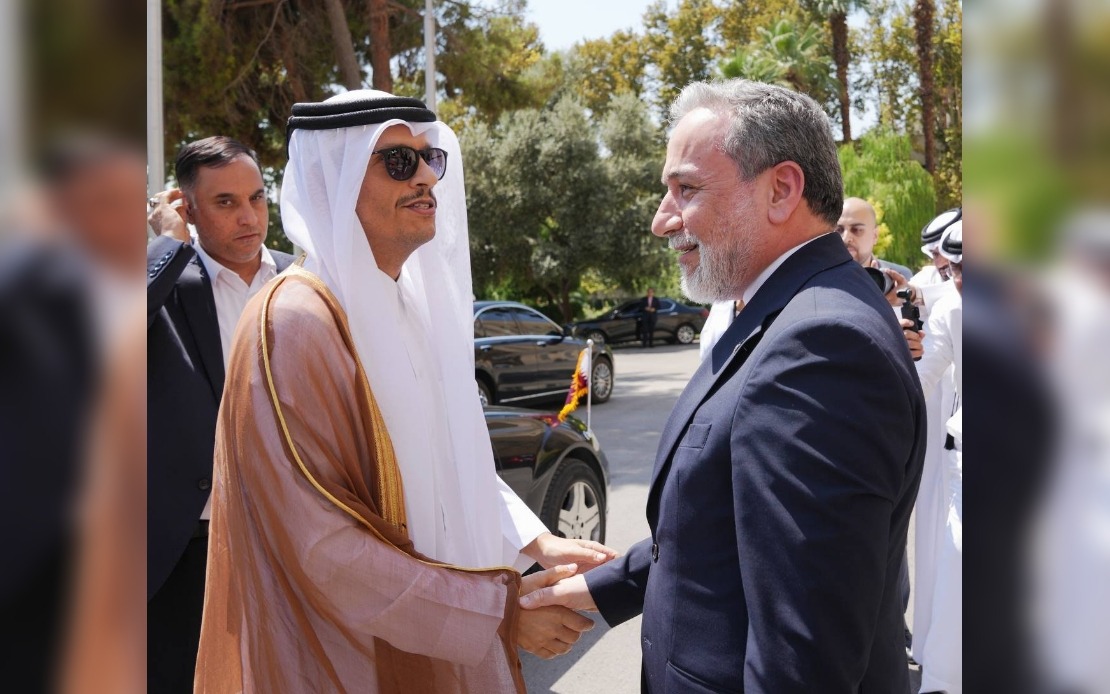
Iran's diplomatic overtures toward the United States took a cautiously optimistic turn this week when Foreign Minister Abbas Araghchi declared that resuming constructive engagement between Tehran and Washington remains within reach, provided Washington fundamentally changes its negotiating approach. Speaking after discussions in the Iranian capital with Qatar's top diplomatic and political leadership, Araghchi suggested that the two adversarial nations need not remain locked in confrontation, though significant conditions would need to be met for meaningful dialogue to resume.
The comments from Araghchi, delivered via social media, reflected a nuanced position that acknowledges both possibility and skepticism. He stressed that any successful restoration of diplomatic channels depends entirely on whether American decision-makers grasp what he characterized as a straightforward principle: coercive strategies have consistently failed to bend Iran's resolve. This framing is significant because it establishes Tehran's starting position for any future negotiations—that the United States must abandon what Iran views as its default posture of maximum pressure and economic sanctions.
Qatar's role as intermediary underscores the small Gulf state's continued importance as a neutral broker between hostile regional and international powers. Qatar's Foreign Minister Sheikh Mohammed bin Abdulrahman bin Jassim Al Thani journeyed to Tehran on Thursday to conduct a comprehensive diplomatic mission, meeting sequentially with Iran's President Masoud Pezeshkian, Foreign Minister Araghchi, Parliament Speaker Mohammad Bagher Qalibaf, and Mohsen Rezaei, who chairs Iran's Supreme National Security Council. This high-level choreography reflects the seriousness both Doha and Tehran attach to exploring pathways toward de-escalation.
The specific agenda driving Qatar's diplomatic initiative extended beyond general goodwill gestures. Among the substantive proposals under discussion was a proposed temporary joint navigational corridor spanning the strategic Strait of Hormuz, one of the world's most critical shipping lanes through which roughly one-third of seaborne traded oil passes. Additionally, the talks encompassed collaborative mine-clearing operations, suggesting practical cooperation mechanisms that could be implemented even amid broader political tensions. These concrete proposals distinguish this diplomatic effort from mere rhetorical exchanges.
For Malaysian policymakers and regional observers, the significance of these developments cannot be overstated. The Strait of Hormuz's security directly impacts energy supplies and shipping costs affecting all Southeast Asian nations dependent on Middle Eastern oil and gas. Elevated tensions between Iran and the United States create volatile conditions that can spike energy prices and disrupt maritime trade patterns across the Indian Ocean and beyond, ultimately reaching Malaysian ports and consumers. Any substantive improvement in US-Iran relations would stabilize one of Asia's most critical geopolitical flashpoints.
Araghchi's formulation that successful diplomacy requires Washington to "build trust, speak respectfully, acknowledge our rights, and uphold commitments" essentially outlines Iran's minimum requirements for engagement. The emphasis on acknowledging rights and upholding commitments likely references both the landmark nuclear agreement—the Joint Comprehensive Plan of Action—which the Trump administration abandoned in 2018, and broader Iranian grievances about Western intervention in its internal affairs stretching back decades. By framing these as preconditions rather than negotiable positions, Iran signals its seriousness while also suggesting room for dialogue once these baseline expectations are met.
This diplomatic moment arrives against a backdrop of regional instability spanning several years. The February conflict referenced in Thursday's announcement began with coordinated US and Israeli military strikes, significantly escalating an already tense confrontation rooted in disputes over Iran's nuclear program, its regional military activities, and broader questions about power distribution across the Middle East. The intensity of those strikes underscored how fragile the current equilibrium remains, with both sides possessing capabilities to inflict substantial damage.
Qatar's timing in dispatching its foreign minister represents the first such high-level visit to Tehran since the February escalation, marking a deliberate effort to rebuild communication channels. Doha's diplomatic activism reflects its broader strategic interest in preventing further Middle Eastern conflagration that could destabilize the entire region and threaten its own security and economic interests. For a small nation like Qatar, maintaining relationships with all major regional players while promoting dialogue serves both humanitarian and pragmatic national interests.
The language deployed by Araghchi—suggesting that resuming diplomacy "isn't impossible" rather than actively promoting it—reflects characteristic Iranian caution about overcommitting to diplomatic processes that might not materialize. This calibrated optimism allows Iran to demonstrate openness to dialogue while preserving freedom of action should American policy remain unchanged. Such rhetorical positioning is strategically important in Iranian political discourse, where appearing weak or overeager could generate domestic criticism.
For Southeast Asian countries, particularly maritime trading nations like Malaysia, the outcome of these tentative diplomatic soundings carries concrete implications. Reduced tensions in the Middle East translate to more stable shipping corridors, more predictable energy prices, and reduced risks of conflict spillover. Conversely, escalation could force difficult choices about regional alignment and potentially disrupt the delicate balances that have allowed ASEAN nations to maintain relatively neutral stances amid great power competition.
The broader context matters as well. These Iranian diplomatic signals arrive amid evolving US political circumstances and shifting international dynamics around nuclear nonproliferation and regional security architecture. Whether Washington proves receptive to Iran's conditions for dialogue depends on American policy preferences, which extend beyond any single administration's approach. The durability of diplomatic progress, should it occur, would require institutional commitments from both sides that transcend short-term political calculations.
As these diplomatic conversations continue, Malaysian observers should monitor developments closely. The trajectory of US-Iran relations will influence energy markets, shipping patterns, and regional security dynamics that directly affect Southeast Asian prosperity and stability. While Araghchi's recent comments represent only preliminary signals of potential dialogue, they suggest that both parties recognize mutual interest in avoiding further escalation, even if fundamental differences remain unresolved.

