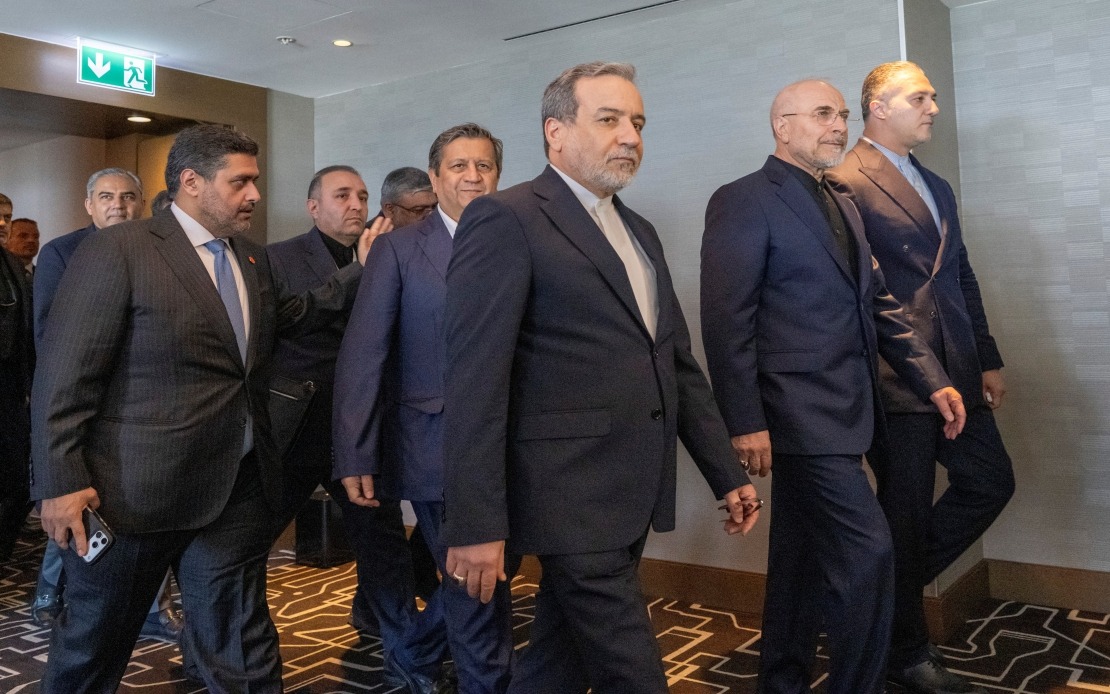
Iran's chief negotiating delegation departed Switzerland on Monday after spending nearly eighteen hours in intensive talks aimed at resolving longstanding tensions with the United States. Led by Parliament Speaker Mohammad Bagher Qalibaf, the Iranian team travelled back to Tehran following the conclusion of the Lake Lucerne Summit held at Burgenstock, marking another chapter in the protracted diplomatic engagement between the two nations.
The significance of this meeting extends beyond the mere exchange of positions. Both sides have been working through intermediaries Qatar and Pakistan, who characterized the negotiating atmosphere as constructive and positive. Such language from mediators carries weight in diplomatic circles, suggesting that despite fundamental disagreements, both delegations demonstrated willingness to engage substantively rather than resort to posturing or inflammatory rhetoric.
The talks produced concrete outputs that structure the pathway toward a potential comprehensive agreement. Participating nations have agreed to establish a high-level committee, which signals intention to elevate discussions beyond technical specialists to decision-makers with sufficient authority to authorize meaningful concessions. This hierarchical approach often proves essential when negotiations reach critical junctures requiring political will rather than merely administrative agreement.
Simultaneously, the delegations endorsed the creation of technical working groups focused on specific issues. This parallel track approach allows experts to identify areas of convergence and sharpen the contours of disagreement on remaining matters. By separating the technical from the political, both sides can prevent disputes over implementation details from derailing the broader negotiation.
The sixty-day roadmap toward a final deal provides both timeframe and psychological commitment. Rather than indefinite discussions that drift without conclusion, a defined deadline concentrates minds and forces prioritization of essential issues. For regions monitoring these negotiations—particularly in the Middle East and throughout Asia—such temporal clarity offers predictability for strategic planning and risk assessment.
For Malaysian observers and regional stakeholders, these developments carry implications beyond the bilateral Iran-US relationship. Nuclear proliferation concerns in the Middle East affect energy security across Asia, influence commodity markets, and shape geopolitical alignments that impact trade and investment flows throughout Southeast Asia. Any breakthrough in these negotiations could stabilize regional oil markets and reduce uncertainty that otherwise drives price volatility affecting energy-dependent economies like Malaysia's.
The role of Qatar and Pakistan as mediators warrants attention. Pakistan's involvement signals broader Islamic world engagement in the process, while Qatar's position as a regional financial hub with diplomatic relationships across multiple spheres underscores its unique positioning. Their collaborative mediation suggests consensus among key regional players that negotiated resolution serves mutual interests better than continued confrontation.
Technical discussions continuing this week will determine whether the initial encouraging signals translate into substantive agreement. These sessions typically address verification mechanisms, sanctions relief sequencing, and restrictions on nuclear activities—the granular details that separate aspirational joint statements from binding accords. The competence and flexibility demonstrated by technical teams often determines whether political will translates into durable agreements.
The departure of Iran's delegation does not signify conclusion but rather transition to the next phase. Qalibaf's return to Tehran allows him to report to Iran's supreme leadership and obtain guidance on negotiating parameters for the next round. This consultation process, while sometimes extending timelines, ensures that Iranian negotiators operate within boundaries established by decision-makers in Tehran, lending authority and durability to any eventual agreement.
The international dimension of these negotiations deserves emphasis. European nations maintaining independent relationships with both Iran and the United States, plus Asian powers with significant economic interests in Middle Eastern stability, maintain keen interest in outcomes. The presence of structured mechanisms and defined timelines suggests that mediators have persuaded both sides that the alternative—indefinite uncertainty or renewed confrontation—carries prohibitive costs.
For Malaysian policymakers and business leaders monitoring regional stability, the diplomatic progress evidenced by these talks offers qualified optimism. While negotiations frequently falter or produce underwhelming results, the establishment of high-level committees and working groups represents advancement beyond previous stalemate. The willingness of both Iran and the United States to engage through structured mechanisms, despite years of tension, suggests movement toward resolution that could ease Middle Eastern volatility and reduce risks to regional commerce and security.
The coming weeks will prove decisive. As technical teams convene and high-level committees begin substantive work, the real measure of progress will emerge. The diplomatic language about positive atmosphere provides foundation, but concrete agreements on nuclear restrictions, sanctions relief, and verification mechanisms represent the genuine test of whether this round of negotiations succeeds where previous efforts faltered.