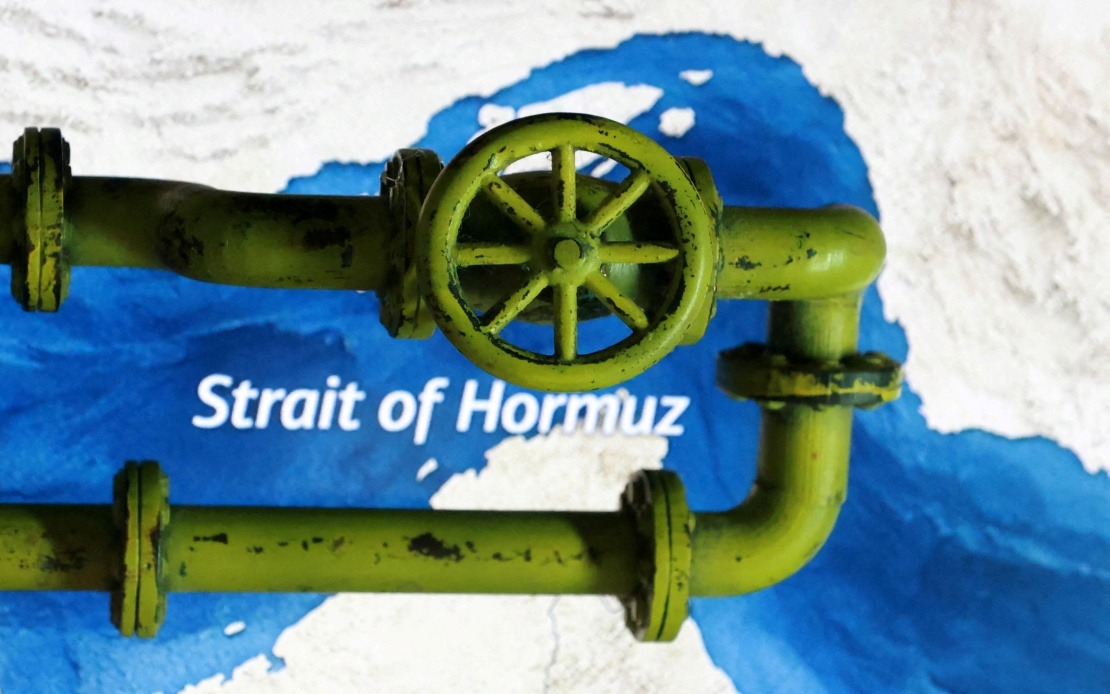
The Iranian economy faces a severe crisis as the country's oil export pipelines have effectively shut down, according to Abdolnaser Hemmati, governor of Iran's Central Bank. Speaking to media on Wednesday, Hemmati acknowledged that Tehran joins Iraq and Qatar in experiencing a complete collapse of petroleum sales revenue, a development that underscores the devastating impact of international sanctions and military instability on Iran's ability to generate foreign currency. The admission marks a dramatic escalation in economic pressure on the Islamic Republic, which has long relied on hydrocarbon exports as its primary source of hard currency earnings.
The Central Bank chief stressed that while the situation represents an undeniable constraint on Iran's fiscal capacity, the government has developed contingency plans to navigate the revenue drought. Hemmati indicated that Tehran anticipated such restrictions and prepared internal mechanisms to sustain basic economic functions without the typical inflows from petroleum sales. However, his acknowledgment that preparations have been made suggests these measures remain untested and their effectiveness uncertain, raising concerns about Iran's ability to fund essential services and maintain social stability over an extended period.
Despite facing similar circumstances, Hemmati highlighted a crucial difference between Iran's predicament and that of regional peers. While Iraq and Qatar can theoretically access their central bank reserves to cushion against lost oil revenues, Iran has no such recourse. The United States has frozen Iranian foreign currency holdings held in international accounts, preventing Tehran from tapping these assets to finance imports, service debts, or stabilise its currency. This asymmetry places Iran in a uniquely precarious position within the broader Middle Eastern economic landscape, restricting policy options available to other oil-producing nations confronting export challenges.
A separate grievance complicating Iran's financial outlook involves promised funds under an agreement reached with Washington in June. Hemmati referenced the Islamabad Memorandum, which was designed to establish a framework for resolving broader disputes between Tehran and Washington and potentially unlocking frozen assets. Yet despite this diplomatic understanding, the resources Tehran anticipated receiving have not materialised. The Central Bank governor expressed frustration over the non-implementation of the accord, suggesting deep mistrust remains between the two capitals even amid ongoing negotiations.
Iran's economic difficulties extend beyond its inability to export oil, encompassing disrupted regional trade networks. Hemmati highlighted the country's historically robust commercial ties with Iraq, noting that before current conflicts, Iran exported approximately US$12 billion in goods and services annually to its neighbour. This trade mix included US$4 billion in government-related supplies such as natural gas and electricity, alongside US$8 billion in private sector transactions. The loss of this revenue stream compounds Iran's foreign exchange shortage and reduces Tehran's leverage with a key regional partner.
Baghdad itself faces mounting pressure from the same forces affecting Tehran. The closure of the Strait of Hormuz and associated disruptions to oil revenue flows have strained Iraq's finances, complicating its ability to settle historical debts to Iran. During Hemmati's recent visit to Iraq, the two nations discussed mechanisms to unlock Iranian funds held in Iraqi banking institutions, a practical if modest step toward relieving Tehran's liquidity constraints. Both capitals recognised that addressing accumulated payment obligations could provide some relief, though the pace of implementation remains uncertain given Iraq's own fiscal pressures.
More substantively, Iranian and Iraqi officials explored using the Trade Bank of Iraq as a vehicle for supporting Iranian contractors operating within Iraq. Hemmati reported that Iraq's prime minister approved this proposal and issued instructions to facilitate the arrangement, potentially allowing Iranian companies to function in Iraq despite international financial restrictions. This workaround demonstrates how sanctioned nations develop creative mechanisms to maintain economic engagement with neighbouring economies, though such approaches typically operate at smaller scales than conventional trade and investment flows.
The timing of Hemmati's comments reflects broader deterioration in Iran-US relations following the breakdown of the June framework agreement. Military tensions between the two powers have resurged, with both sides resuming hostile posturing after a brief period of diplomatic engagement. This renewed confrontation has effectively terminated any prospect of near-term sanctions relief, consolidating Iran's isolation from international financial systems and deepening the economic crisis that Hemmati described.
For Southeast Asian observers, Iran's experience illustrates the severe consequences of comprehensive international sanctions regimes, particularly when combined with regional military conflict. Malaysia and other ASEAN nations maintain significant trade relationships with Iran and must navigate the complexity of US secondary sanctions targeting entities that do business with Tehran. The collapse of Iranian oil exports demonstrates how geopolitical isolation can systematically eliminate a country's primary revenue sources, creating potential instability that could ripple across maritime trade routes and regional security architecture that Southeast Asian economies depend upon.
The practical implications of Iran's zero-export scenario remain unclear. Economic theory suggests nations cannot sustain such conditions indefinitely without fundamental restructuring or external assistance. Whether Iran's contingency preparations prove sufficient, whether Iraqi banking arrangements unlock meaningful capital flows, or whether future diplomatic breakthroughs release frozen assets will determine whether Tehran's economy contracts gradually or faces sudden, destabilising collapse. Meanwhile, regional trade partners and international observers await clarity on whether this represents a temporary shock or a new permanent constraint on Iran's economic participation in regional commerce.

