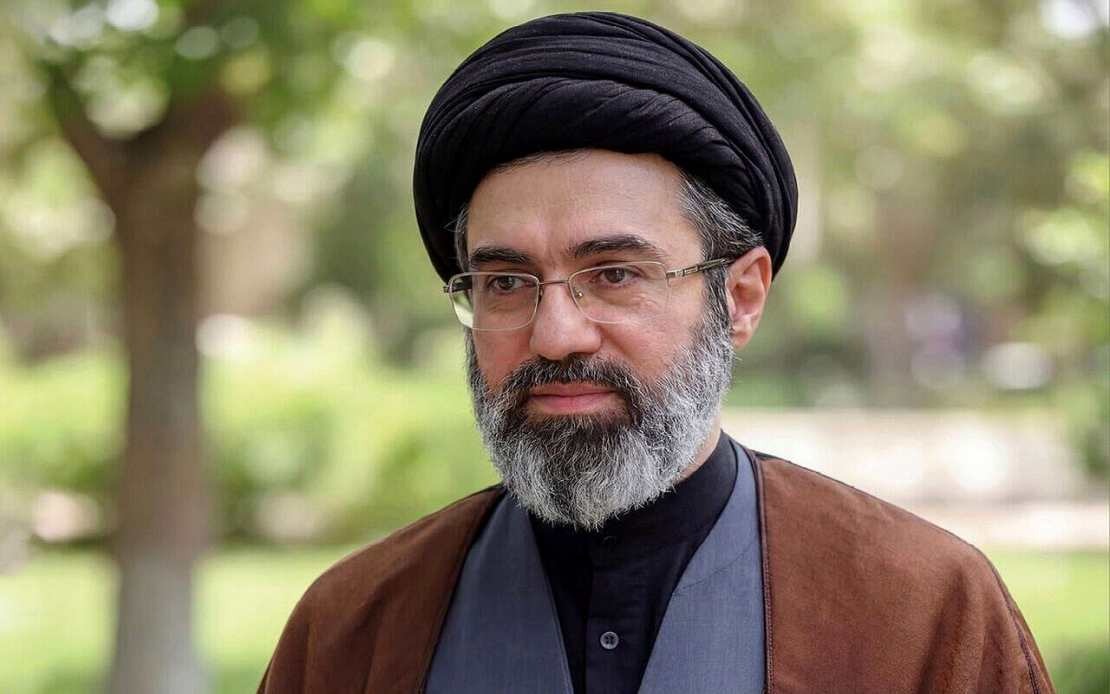
Iran's newly installed supreme leader Mojtaba Khamenei is in perfect health, according to President Masoud Pezeshkian, who disclosed the health status during a television interview on state broadcaster IRIB. The declaration comes as the Islamic Republic moves forward under its latest leadership transition, with Pezeshkian characterizing his recent extensive talks with the supreme leader as exceptionally productive.
The meeting between the two top officials stretched across seven hours, marking a significant engagement as Pezeshkian entered his third year in presidential office. During this extended dialogue, both leaders discussed Iran's most pressing domestic challenges, including the economic hardships facing ordinary Iranians, the persistent unemployment crisis, and the country's chronic housing shortage. These three issues have become flashpoints of public discontent, particularly as inflation continues eroding household purchasing power across urban and rural areas.
Pezeshkian emphasized that maintaining national cohesion and solidarity formed the cornerstone of their discussion, reflecting concerns within Iran's leadership about internal fractures that could undermine governance. The emphasis on unity suggests awareness among top officials that the recent succession has created uncertainty requiring careful political management. By framing their conversation around collective national interest rather than individual political agendas, both leaders appear intent on projecting stability to both domestic and international audiences.
The international dimensions of Iran's predicament also featured prominently in their talks. Pezeshkian noted that the consequences of international sanctions—which have devastated Iran's oil exports, access to foreign currency, and capacity to import essential goods—formed a key topic. Western sanctions imposed after Iran's 2015 nuclear deal collapse have systematically isolated the Iranian economy from global financial systems, forcing the country to seek alternative trading partners and barter arrangements, particularly with China and Russia.
The succession of Mojtaba Khamenei represents a watershed moment in modern Iranian political history. After his father, Ali Khamenei, was killed in joint United States and Israeli strikes on February 28, the Assembly of Experts formally selected Mojtaba as his successor in March. This appointment marked the first hereditary transfer of supreme leadership authority since the 1979 Islamic Revolution, departing from institutional precedent and raising significant questions about succession stability within Iran's theocratic system.
Notably absent from public view since his election, Mojtaba Khamenei has maintained an extraordinarily low profile, which contrasts sharply with typical patterns of new supreme leaders establishing public legitimacy through appearances and addresses. This extended seclusion has fueled international speculation about his health, readiness for office, and whether he commands sufficient support within Iran's security establishment and clerical hierarchy. The presidential confirmation of good health appears designed to counter such speculation and reassure both Iran's institutions and the broader population.
The timing of Pezeshkian's health disclosure carries diplomatic significance given regional tensions with Israel and ongoing nuclear negotiations that remain frozen. A leadership perceived as stable and functional is crucial for Iran's strategic positioning in the Middle East, particularly as it confronts threats from multiple quarters. The message that supreme leadership is functioning normally serves both domestic reassurance and international signaling functions.
The meeting also underscores the continuing centrality of the supreme leader position within Iran's dual power structure. Despite Pezeshkian's election by popular vote, the supreme leader retains command over the Islamic Revolutionary Guard Corps, judiciary, state media, and the Assembly of Experts. This institutional reality means that even elected presidents operate within constraints set by religious authority, making periodic alignment between the two positions essential for effective governance.
For regional observers and Southeast Asian nations maintaining diplomatic relations with Iran, these developments carry implications for Iran's foreign policy direction and reliability as a trading and political partner. The successful consolidation of power under new supreme leadership suggests Iran will likely maintain its current strategic orientations, including deepened ties with Russia and China, continued support for regional proxy forces, and resistance to Western pressure on nuclear matters. The apparent stability being projected could facilitate continued energy commerce and diplomatic engagement that Malaysian and other Southeast Asian governments depend upon.
The domestic focus highlighted by Pezeshkian—on employment, housing, and living standards—reflects mounting pressure from an Iranian population increasingly frustrated by economic deterioration. With youth unemployment approaching forty percent in some estimates and housing prices consuming half or more of median household income, the government faces deepening legitimacy challenges independent of international isolation. The prominence given these issues in supreme leadership discussions suggests official recognition that economic grievances pose genuine threats to regime stability.
The seven-hour duration of the presidential-supreme leader meeting itself conveys important signals about the functioning of Iran's highest decision-making circles. Extended dialogue at this level typically indicates substantive policy coordination rather than ceremonial engagement, suggesting that the transition has not produced paralysis or institutional conflict at the apex of power. For international observers assessing Iran's coherence and capacity for sustained policy implementation, such apparent functional continuity matters considerably.

