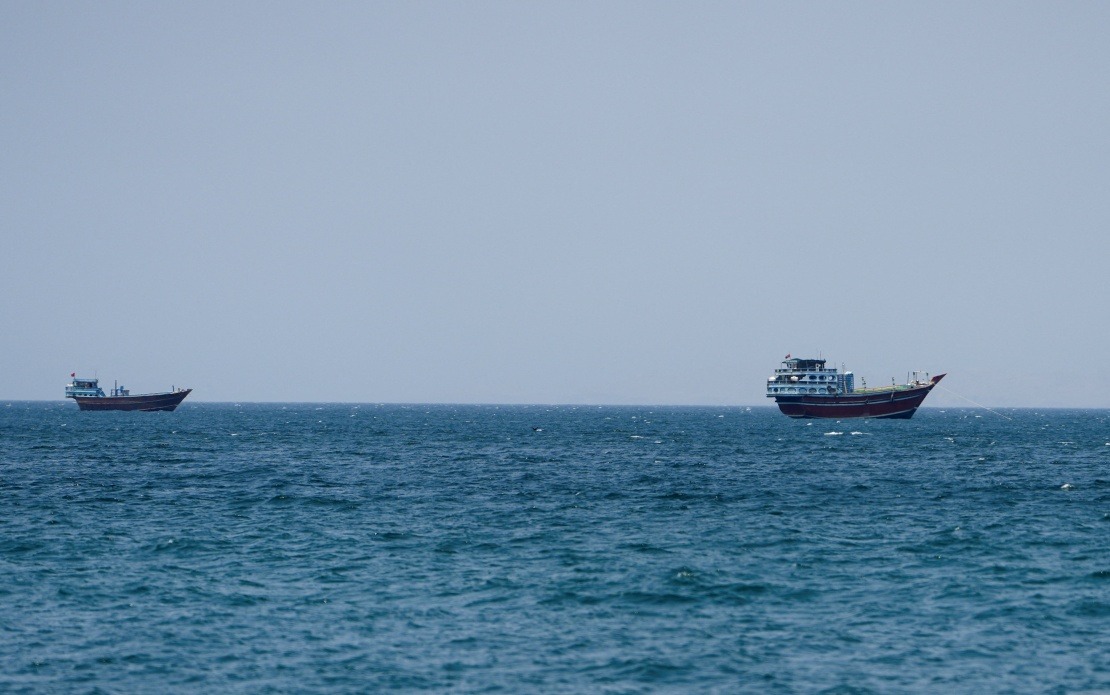
Iran's top security official has made clear that any lifting of restrictions on shipping through the strategically vital Strait of Hormuz hinges entirely on American acceptance of Tehran's demands. Mohsen Rezaei, who recently assumed the post of head of the Supreme National Security Council, conveyed this hardline position during discussions with China's ambassador to Iran, signalling that the impasse over one of the world's most important maritime chokepoints shows no signs of immediate resolution.
Rezaei's statement represents an escalation in rhetoric surrounding Iran's partial closure of the waterway, which began in early March in response to what Tehran characterises as joint US-Israeli military aggression. The Strait of Hormuz, through which roughly one-fifth of global oil trade passes, has become a central flashpoint in regional tensions. By maintaining restrictions on transit, Iran wields significant leverage over international energy markets and maritime commerce, a card it appears determined not to relinquish without substantial political and financial gains.
The conditions Iran has articulated through official channels and private intermediaries include a complete cessation of what the Islamic Republic terms the "war on Iran and its regional allies," a formulation that encompasses not only direct military operations but also broader hostilities affecting Iranian-aligned groups throughout the Middle East. Equally important to Tehran is the release of Iranian funds that have been frozen in international accounts, a consequence of years of economic sanctions and financial restrictions. These frozen assets represent billions of dollars that Iran views as rightfully belonging to the state, and their return has become non-negotiable in any resolution of the current crisis.
The involvement of Oman in potential transit discussions adds another layer to the negotiations. As the second littoral state bordering the Strait, Oman has historically played a mediating role in regional disputes and maintains dialogue channels with multiple parties. However, Rezaei's comments suggest that Iran will not allow bilateral agreements between itself and Oman regarding safe passage routes to supersede its own strategic calculations. Any deal between the two neighbours would remain subordinate to Iran's broader geopolitical objectives, meaning that even successful Omani mediation would not necessarily result in the full reopening of the waterway.
For Malaysia and other Southeast Asian nations dependent on Middle Eastern energy supplies and reliant on safe maritime passage for trade, this standoff carries direct implications. Disruptions or uncertainty in Hormuz shipping invariably drive up oil prices regionally and globally, affecting everything from fuel costs to the price of imported goods. Malaysian importers of crude oil and liquefied natural gas face heightened risks and potentially higher procurement costs as long as Iranian restrictions persist. The situation underscores the vulnerability of Asian economies to Middle Eastern political instability and the importance of diversifying energy sources and supply routes.
Rezaei's meeting with the Chinese ambassador reflected broader strategic alignments in the current crisis. Iran explicitly praised China's opposition to what it described as an "anti-Iranian and illegal" draft resolution at the United Nations Security Council, positioning Beijing as a supporter of Tehran's interests during the March hostilities. This diplomatic alignment has deepened Iran's reliance on Chinese backing at a time when Western nations maintain largely unified opposition to Iranian actions.
The conversation also highlighted the expanding framework of Iran-China relations, with both parties emphasizing their shared membership in significant international organisations including the Shanghai Cooperation Organisation and BRICS. These institutional connections represent more than symbolic gestures; they reflect a genuine restructuring of global alignments, with China increasingly serving as a counterbalance to Western pressure on Iran. For Southeast Asia, this development carries implications for regional geopolitics, as China's deepening ties with Iran may influence its broader Middle East strategy and its approach to regional conflicts affecting Asian interests.
The use of intermediaries in ongoing indirect negotiations between Tehran and Washington suggests that despite public confrontation, some back-channel dialogue continues. Yet Rezaei's uncompromising public statements indicate that Iran believes its current position, bolstered by control over a critical waterway and support from major powers like China, is sufficiently strong to resist American pressure without making substantive concessions. This confidence may reflect calculations about American willingness to engage in military escalation or assessments of broader international support for Iranian resistance.
Historically, the Strait of Hormuz has been weaponized during periods of regional tension, with Iran previously threatening or implementing partial closures during earlier conflicts. The current restrictions represent a return to this pattern of using maritime control as a negotiating tool. However, the longevity of the present closure and the specificity of Iran's stated conditions suggest that this episode may differ from previous incidents, potentially signalling a more fundamental restructuring of Tehran's approach to asserting power in the region.
The economic consequences of prolonged Hormuz restrictions extend beyond oil prices. Insurance premiums for vessels transiting the waterway increase, shipping companies face longer delivery times as some operations detour around Africa, and the general climate of uncertainty discourages investment in regional infrastructure and trade relationships. For Malaysian businesses engaged in Middle Eastern commerce or dependent on stable energy supplies, the prospect of an extended standoff presents genuine commercial risks that warrant careful monitoring and contingency planning.
Rezaei's appointment as SNSC head itself signals something about Iran's current strategic priorities. His background and the timing of his selection suggest that Tehran is prioritizing hardline approaches to negotiations with the West. This personnel move, combined with his uncompromising rhetoric, indicates that Iran intends to maintain maximum leverage over the Strait of Hormuz while pursuing its other strategic objectives in the region. Any significant shift in this position would likely require either dramatic changes in American policy or a fundamental alteration in Iran's strategic calculations regarding the costs and benefits of maintaining restrictions.

