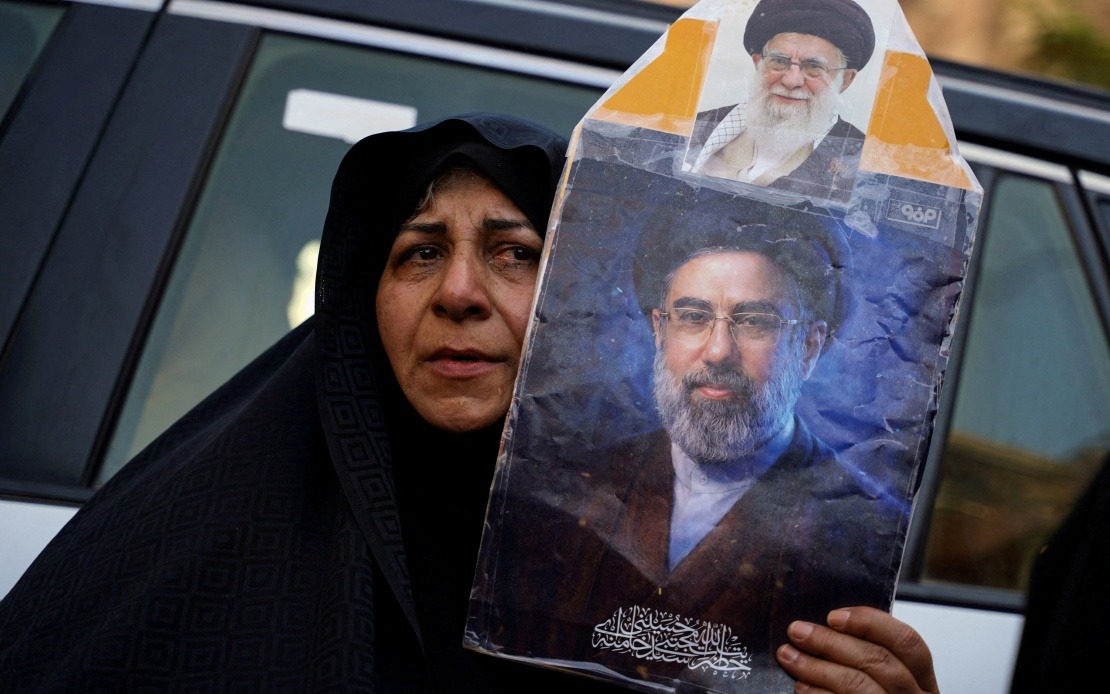
Tensions between Iran and the United States have reached a critical juncture following what Tehran characterises as repeated American breaches of a memorandum of understanding inked just weeks earlier. On Saturday, Iran's Supreme Leader Mojtaba Khamenei issued a sharp rebuke, asserting that the mounting violations by Washington demonstrate the futility of agreements bearing Trump's signature. The inflammatory rhetoric underscores how quickly the fragile diplomatic framework has deteriorated since President Masoud Pezeshkian and Trump formalised the accord on June 18, leaving observers questioning whether the nascent peace process has already collapsed beyond repair.
The peace memorandum represented an unprecedented step toward de-escalation in one of the world's most volatile regions, establishing a framework within which Iran and the United States were to conduct comprehensive negotiations over a sixty-day period with the ultimate goal of concluding a definitive agreement. However, this carefully constructed timeline now appears to be dissolving amid tit-for-tat military operations. Khamenei's statement, disseminated through Iranian state media, accused the American administration of orchestrating what he termed a comprehensive strategy of deception and broken commitments, framing current violations as merely the latest chapter in a longer history of US untrustworthiness.
The Supreme Leader's characterisation carries weight within Iran's political establishment, where skepticism about American reliability remains deeply embedded. He argued that the pattern of violations exposes what he described as Washington's fundamentally dishonest and malevolent character, suggesting that the Trump administration has systematically dismantled the diplomatic scaffolding before negotiations could properly commence. His language was notably severe, referencing what he called the "dark experience of crime and breach of promises" while invoking historical grievances that colour Iranian perceptions of Western engagement. This rhetorical escalation signals that Tehran is prepared to abandon restraint if it perceives the diplomatic process as irredeemable.
Simultaneously, military confrontations have intensified dramatically across the Middle East theatre. The United States has launched multiple strikes targeting Iranian positions and interests in recent days, while Iran has responded in kind by dispatching retaliatory attacks against American military installations and personnel throughout the region. These exchanges represent a dangerous escalation that occurs even as official channels supposedly remain open for negotiation, creating a paradoxical situation where diplomatic and military tracks operate in direct opposition. The simultaneity of these actions suggests that elements within both governments may be working at cross-purposes, with hardliners potentially seeking to undermine the peace process itself.
Khamenei's warning deserves particular scrutiny given its explicit threat of consequences. He cautioned that should Washington persist in what he characterised as warmongering activities and attempt to inflict greater economic and political costs upon Iran, the Iranian state and its broader network of regional allies—collectively termed the "resistance front"—would deliver responses that would be "unforgettable." This language historically precedes significant escalatory moves by Iranian forces or their proxies throughout the Middle East, whether through drone strikes, missile launches, or support for non-state actors operating across Syria, Iraq, Lebanon, and Yemen.
On the same day as Khamenei's comments, Iran's Deputy Foreign Minister for Legal and International Affairs Kazem Gharibabadi formalised Tehran's position by announcing that Iran would cease honouring its obligations under the memorandum. This announcement represents a decisive institutional shift from diplomatic engagement toward confrontation, converting Khamenei's rhetorical warning into concrete policy action. Gharibabadi's statement accused Washington of systematically violating its own commitments under the accord, suggesting that Tehran views American conduct as justification for disengaging from the agreement unilaterally.
For Malaysia and Southeast Asia more broadly, the deterioration of US-Iran relations carries significant implications. Disruptions to regional stability in the Middle East inevitably ripple through global energy markets, shipping lanes, and international security architecture. Malaysian businesses with exposure to Middle Eastern supply chains, energy imports, or financial markets face potential headwinds should the situation continue deteriorating. Additionally, any broadening conflict could draw in regional powers with whom Southeast Asian nations maintain important economic and diplomatic relationships, complicating Malaysia's efforts to maintain balanced international engagement.
The collapse of the June accord after merely four weeks of formal operation raises troubling questions about the feasibility of US-Iran dialogue under current political circumstances. The fundamental asymmetry in how each side interprets the agreement's terms, combined with the apparent inability of either administration to constrain military elements seeking confrontation, suggests that structural impediments to peace run deeper than recent diplomatic language acknowledged. For policymakers across Asia monitoring this crisis, the episode illustrates how swiftly hard-won agreements can unravel when underlying trust remains absent and competing strategic interests overwhelm diplomatic momentum.
The trajectory of US-Iran tensions also carries implications for the broader architecture of international agreements and presidential commitments. If Trump's signature proves unreliable in the eyes of major regional powers, this perception could undermine American negotiating credibility in Asia-Pacific contexts as well. Nations like Malaysia, which navigate complex relationships with both the United States and Iran-aligned powers, must factor in heightened unpredictability when calibrating their own foreign policy positions. The current impasse suggests that meaningful de-escalation may require structural changes to verification mechanisms and enforcement provisions that neither side currently appears prepared to implement.
Looking ahead, the situation appears poised for further deterioration unless one or both parties demonstrate willingness to make substantive concessions or inject new diplomatic initiatives. The military escalation now underway suggests that restraint is eroding on both sides, while domestic political constituencies within each nation are likely pressuring leaders toward harder positions. The window for salvaging the June memorandum appears to be closing rapidly, and the international community—including Malaysia and other Southeast Asian nations—must prepare for an extended period of instability that could reshape regional geopolitics and energy markets for years to come.

