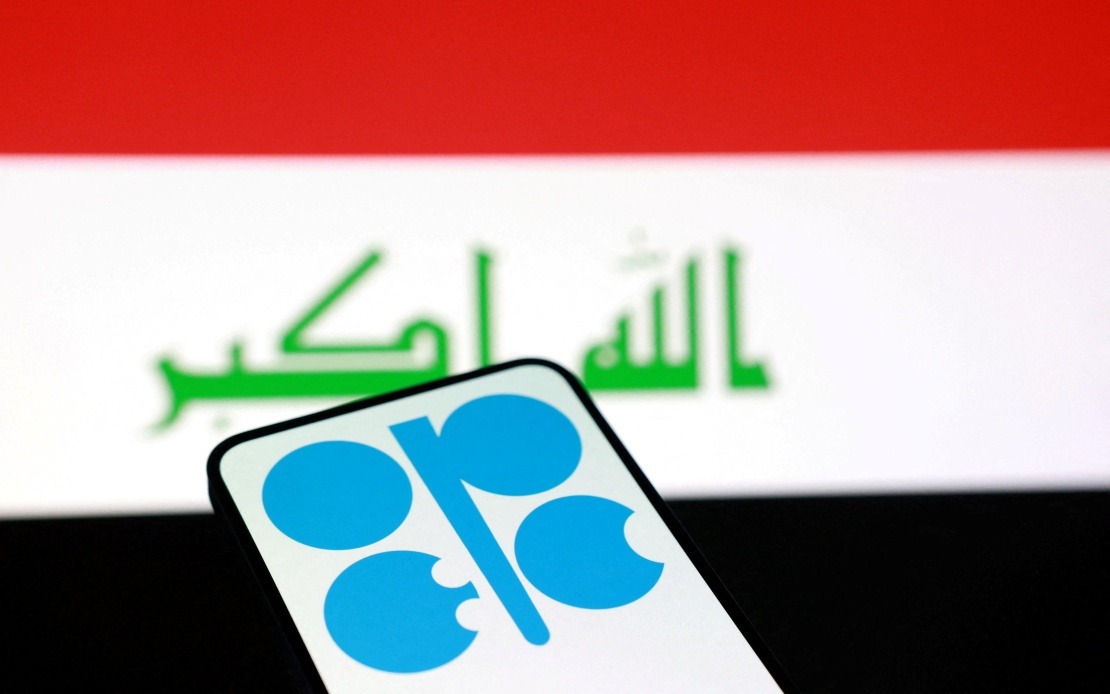
Iraq's Oil Ministry has moved swiftly to quash suggestions that Baghdad is contemplating withdrawal from OPEC, issuing a formal denial after Bloomberg reported the country might reconsider membership should its production quota remain unchanged. The ministry's statement underscores Baghdad's frustration with current output ceilings while attempting to reset the narrative around Iraq's role within the organisation, emphasising that no government body has broached the subject of leaving the cartel.
The denial carries particular significance because it reveals the tension simmering beneath OPEC's surface regarding how production quotas are allocated. Iraq, historically one of the cartel's largest producers, finds itself constrained by output limits that Baghdad contends do not reflect its geological capacity or economic needs. This friction highlights a recurring challenge for OPEC: balancing individual member interests with collective production strategy, a problem that has periodically threatened group cohesion.
Instead of threatening departure, Iraq's Oil Ministry articulates a different grievance, one centred on technical reassessment rather than ultimatums. The government argues that production ceilings should be recalibrated to acknowledge Iraq's actual sustainable output capacity, a position Baghdad has reiterated consistently within OPEC forums. This framing allows Iraq to maintain diplomatic cover while signalling serious dissatisfaction with the status quo, a delicate balance that reflects the country's complex position within the cartel.
Oil Ministry spokesman Salim Al-Rikabi provided additional clarification, confirming Iraq's commitment to OPEC's framework and mechanisms while simultaneously asserting that Baghdad intends to raise production in accordance with its capabilities. This dual messaging—loyalty combined with defiance on production levels—captures Iraq's predicament: the country desperately needs revenue from oil exports to rebuild war-damaged infrastructure and stabilise its economy, yet OPEC quotas restrict its earning potential.
Baghdad's case rests partly on historical argument and partly on technical grounds. The ministry invokes more than four decades of conflict, international sanctions, and infrastructure destruction, including repeated terrorist attacks targeting oil facilities, to justify why Iraq warrants special consideration. These factors have crippled Iraq's production infrastructure and prevented the country from operating at optimal efficiency, a reality that Baghdad insists OPEC should account for when setting quotas.
OPEC and its allied producers, including Russia, have already begun responding to such concerns through a formal process to reassess each member's maximum sustainable production capacity. This review, conducted in partnership with an independent international consulting firm and involving Iraq's active participation, represents a potentially significant development for Baghdad. The technical reassessment could provide the evidence Iraq needs to argue for higher quotas, moving the dispute from political territory into ostensibly neutral technical analysis.
The assessment process forms part of a broader OPEC+ strategy to gradually restore production levels that were previously cut as part of collective output management agreements. Full restoration of voluntary production cuts is scheduled for coming months, a phased approach that OPEC hopes will strengthen Iraq's production ceiling and potentially defuse tensions. For Iraq, this restoration process offers a pathway to increased output without requiring formal quota renegotiation that might provoke resistance from other members.
Baghdad frames its demands within OPEC's technical and consensus-based decision-making mechanisms, avoiding language that suggests unilateral action or threat. This rhetorical restraint reflects Iraq's recognition that OPEC members retain considerable discretion in quota disputes and that maintaining cooperative relationships serves Iraq's long-term interests better than confrontation. The approach also acknowledges that OPEC solidarity has proven instrumental in supporting oil prices, benefiting all members including Iraq.
For Malaysia and other Southeast Asian oil-importing nations, Iraq's push for higher production carries mixed implications. Increased Iraqi output could contribute to downward pressure on global oil prices, potentially easing costs for importers. Conversely, internal OPEC disputes that undermine cartel cohesion could increase price volatility, creating uncertainty for regional economies dependent on stable energy costs. Malaysia's substantial petrochemical sector and energy-intensive manufacturing base mean that oil price movements directly affect competitiveness and production costs.
The outcome of OPEC's capacity review will become clearer as 2027 approaches, when output targets for that period will be determined based partly on the technical findings. This timeline gives Iraq several years to make its case and marshal evidence supporting higher production quotas. However, Iraq's ability to actually increase output depends not only on OPEC approval but also on substantial capital investment in exploration, extraction, and infrastructure—investments that remain constrained by Iraq's budgetary limitations and security challenges.
The broader significance of Iraq's position extends beyond bilateral negotiations with OPEC. The country's situation illustrates the structural tensions inherent in any cartel system, where individual member capabilities and needs rarely align perfectly with collective production constraints. Iraq's combination of devastated infrastructure, substantial untapped reserves, and pressing revenue requirements creates a compelling case for differential treatment, yet accommodating Iraq without alienating other members requires delicate balancing.
As OPEC navigates these internal divisions, the organisation's unity and effectiveness as a price-setting mechanism remain at stake. Iraq's denial of withdrawal threats should not obscure the genuine dissatisfaction driving its push for quota reassessment. How OPEC responds to legitimate demands from a founding member facing extraordinary reconstruction challenges will shape the cartel's credibility and cohesion for years to come, with potential ripple effects across global energy markets and regional economies throughout Southeast Asia.

