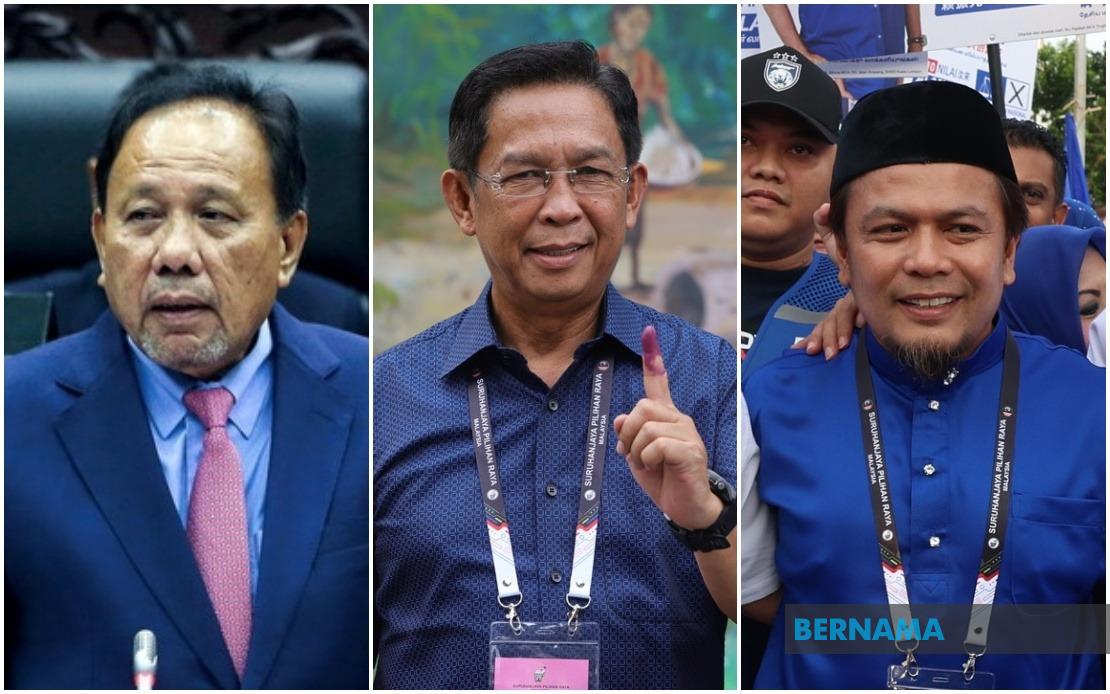
Datuk Ismail Lassim, a senior UMNO figure and member of the party's Supreme Council, has emerged as a leading contender for the position of Negeri Sembilan Menteri Besar following the state's 16th election. The 67-year-old Kuala Pilah UMNO chief secured the Juasseh state constituency and is now awaiting the formal appointment decision, with the new Menteri Besar's oath-taking ceremony scheduled for approximately 11:00 am on August 2 at Istana Besar Seri Menanti in Kuala Pilah.
Two other candidates are also in consideration for the chief minister's role. Datuk Seri Jalaluddin Alias, a 62-year-old who serves as the Negeri Sembilan UMNO liaison chairman and holds the Jelebu parliamentary seat, retained his Pertang state seat in the recent election. The third prospect is Datuk Mohd Asna Amin, a 47-year-old former state deputy speaker who successfully contested the Lenggeng seat. The presentation of these three names to the Sultan represents the culmination of post-election negotiations between the dominant political coalitions.
The recent state election results provided a clear mandate for coalition-building. The Barisan Nasional alliance won 18 of the 36 contested state seats, while Perikatan Nasional secured 11 seats, together commanding the two-thirds majority necessary to form a stable government. This outcome represents a significant swing from the previous electoral arrangement, where Pakatan Harapan had dominated with 17 seats against Barisan Nasional's 14 and Perikatan Nasional's five. The combined BN-PN majority signals a fundamental realignment in Negeri Sembilan's political landscape and reduces the fragmentation that had characterized the previous state administration.
BN chairman Datuk Seri Dr Ahmad Zahid Hamidi presented the three shortlisted names to Tuanku Muhriz at Istana Hinggap in Seremban on the evening prior to the scheduled oath-taking ceremony. This formal audience represents the constitutional process through which the Sultan exercises his prerogative to appoint the chief minister from among candidates proposed by the coalition commanding legislative confidence. The timing and presentation of the three nominees underscores the coordinated nature of the BN-PN agreement and the degree of consultation that has occurred within UMNO regarding the allocation of this critical executive position.
The path to this election was initiated when Negeri Sembilan's Barisan Nasional contingent withdrew support from then-Menteri Besar Datuk Seri Aminuddin Harun on April 27. This decision, formalized through a formal notification to the Sultan, created the constitutional circumstances for dissolution of the state assembly on June 5. The withdrawal of support reflected deeper tensions within the governing coalition that had emerged during the previous administration's tenure. Rather than attempting to patch together a fractured coalition, the BN opted to seek a fresh mandate from voters, a decision that proved strategically successful.
The composition of the three candidates reflects internal UMNO dynamics and power-sharing considerations. All three are veterans of state politics with demonstrated electoral credentials. Ismail Lassim's position as a Supreme Council member gives him additional leverage within the national party hierarchy, while Jalaluddin Alias's dual role as both a state liaison chairman and federal parliamentarian positions him as a bridge between federal and state UMNO interests. Mohd Asna Amin's youth and prior experience as deputy speaker represent an alternative generational choice. The selection among these three will likely influence the composition of the state exco and the broader direction of state governance.
For Malaysian observers, the Negeri Sembilan outcome carries broader implications for national political stability. The decisive coalition victory eliminates the previous administration's precarious single-digit majority, which had left the state government vulnerable to defections and shifting alliances. A stable Negeri Sembilan administration under a clear BN-PN mandate reduces political turbulence in a state whose location between Kuala Lumpur and Melaka makes it strategically important for federal politics. The election result also provides UMNO with a significant morale boost after its efforts to rebuild electoral support following earlier political setbacks.
The turnout and competitive dynamics of the election provided insights into voter preferences. With 103 candidates competing for 36 seats across the state, constituencies presented meaningful choices to voters. The scale of the Barisan Nasional's performance—winning exactly half the available seats—suggests broad but not overwhelming support. The persistence of a meaningful Perikatan Nasional presence with 11 seats indicates that political competition remains vibrant and that significant portions of the electorate continue to view the Perikatan coalition as a viable alternative government.
The designation of the Menteri Besar will set the tone for the next phase of Negeri Sembilan governance. The chosen leader will inherit a state that has experienced considerable political instability and will need to focus on delivering governance outcomes that justify voter confidence in the BN-PN coalition. Economic development priorities, particularly in light of Negeri Sembilan's position within the broader Klang Valley economic region, will likely feature prominently in the incoming administration's agenda. Additionally, the new chief minister will need to manage relationships with both coalition partners and ensure that the BN-PN arrangement remains stable throughout the five-year state term.
The appointment process also reflects the continued importance of sultans' constitutional roles in Malaysian politics, even as democratic practice has evolved. The Sultan's power to receive the recommendations of the major coalition and formally invest executive authority in the chief minister remains a crucial constitutional moment. While the choice is substantially pre-determined by which coalition secured the electoral majority, the formal audience and oath-taking ceremony underscore the principle that executive authority in Malaysia derives from both democratic choice and monarchical prerogative, a distinctive feature of the constitutional framework that distinguishes Malaysia's system from purely Westminster models.

