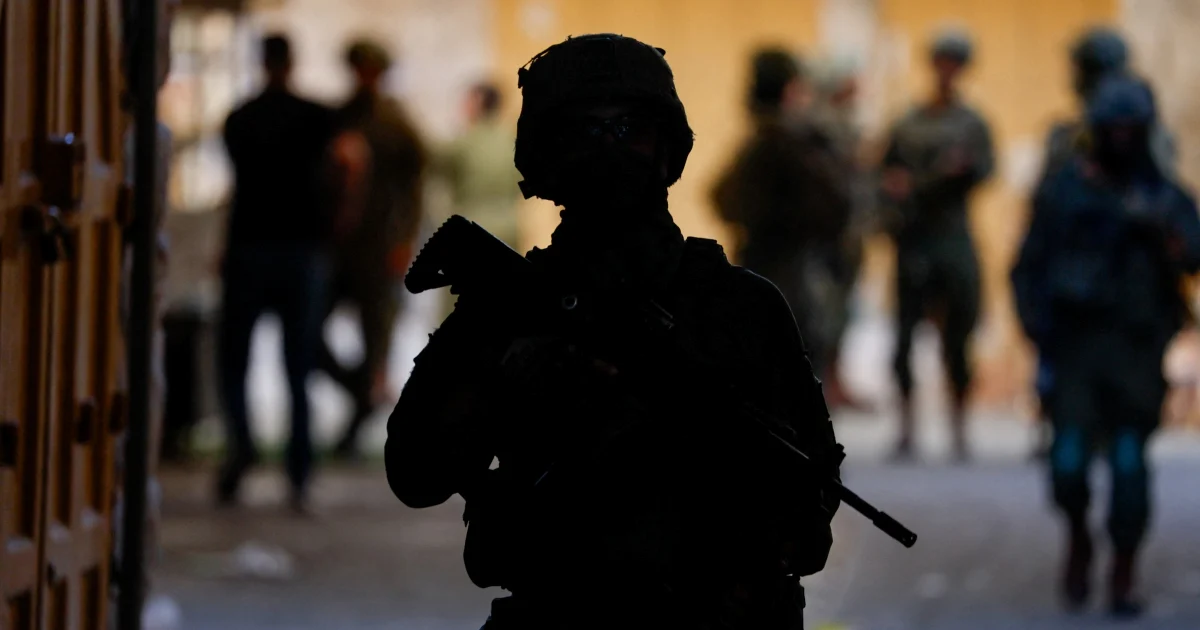
Israeli police moved swiftly to detain four individuals on Saturday following an incident in the occupied West Bank that resulted in damage to a vehicle transporting foreign news personnel, according to official statements from law enforcement. The incident, which CNN characterised as a direct attack on its crew by Israeli settlers, has drawn fresh scrutiny to the safety of international journalists operating in Palestinian territories and raises questions about the escalating tensions between settler communities and media operations in the region.
The arrest came after the American broadcaster reported that its journalistic team had come under assault while conducting reporting activities in the West Bank. CNN framed the encounter as an intentional attack rather than a spontaneous confrontation, suggesting a deliberate targeting of the news operation. The vehicle sustained damage during the incident, though the specific nature and extent of the damage was not immediately detailed by authorities. This characterisation of events contrasts with how Israeli officials typically describe such altercations, which are often presented as isolated incidents rather than systematic patterns.
The detention of the four suspects represents a notable response from Israeli law enforcement, indicating that authorities took the allegations seriously enough to pursue criminal investigations rapidly. In recent years, such arrests involving settler violence have become increasingly visible, particularly when foreign media outlets document and report on incidents. The speed of the police action suggests either an expedited investigation or possibly pressure from diplomatic channels, given CNN's profile as a major international news organisation with significant reach and influence.
This incident underscores the precarious position that international journalists face when reporting from the West Bank. Media organisations operating in Palestinian territories navigate complex terrain where they encounter varied levels of cooperation from Israeli authorities, Palestinian administration, and settler communities. The unpredictability of such interactions has prompted multiple international press freedom organisations to document alleged harassment, intimidation, and physical obstruction of journalists in the region over the past several years.
For Malaysian and Southeast Asian readers following Middle Eastern developments, this episode highlights broader concerns about journalistic access and safety in conflict zones. The region remains a significant focus for international news coverage, and incidents like this one affect how global media outlets can report on Israeli-Palestinian tensions. When journalists face obstacles or threats, the resulting information asymmetry can shape public understanding of complex geopolitical situations across Asia and beyond.
The occupied West Bank remains a flashpoint where different constituencies—Israeli settlers, Palestinian residents, Israeli security forces, and international observers—interact in ways that frequently generate tension and confrontation. Settler communities in particular have been at the centre of several documented incidents involving foreign journalists, contributing to what press freedom advocates describe as a chilling effect on reporting about sensitive aspects of Israeli settlement policy and activities. The presence of armed settlers in disputed areas creates situations where minor misunderstandings can escalate into physical altercations.
Israeli authorities face pressure from multiple directions when responding to allegations of settler violence. International human rights organisations and press freedom groups advocate for rigorous investigations and prosecution, whilst settler advocacy groups often contest characterisations of incidents or argue for context acknowledging security concerns and Palestinian actions. This balancing act frequently results in arrest procedures that may satisfy international observers whilst generating controversy among domestic constituencies who view such actions as unfairly targeting Israeli civilians.
The timing and nature of such incidents can influence international diplomatic discussions about Israeli conduct and accountability. Major news organisations like CNN possess substantial platforms and audience reach, meaning their reporting on alleged mistreatment generates attention at policy-making levels. This reality sometimes accelerates official responses compared to incidents involving smaller or less prominent news outlets, raising questions about equity in how law enforcement treats various allegations.
Southeast Asian interest in Palestinian and Israeli affairs has grown alongside economic ties and diplomatic engagement across the region. Malaysia, in particular, maintains vocal positions on Middle Eastern issues within international forums. Incidents affecting international journalists become part of the broader narrative about press freedom, human rights, and whether international norms are being upheld consistently across different regions and contexts. The arrest of the four settlers may be viewed differently by those who emphasise accountability and rule of law versus those who prioritise Israeli security perspectives.
The investigation and eventual prosecution of these cases will bear watching, as outcomes signal how seriously Israeli authorities treat allegations of settler violence against foreign media. Convictions and substantial penalties send stronger messages about accountability than light sentences or dismissals, influencing both journalistic confidence and international perception of Israeli governance. Conversely, acquittals or minimal consequences can reinforce concerns about impunity for certain populations, particularly in high-profile cases involving international media scrutiny.
Looking forward, this incident contributes to evolving dynamics around media access and journalist safety in the Middle East. It reflects broader patterns where settlements and settler activities remain contentious issues that international observers monitor closely. The ability of major news organisations to document and publicise such incidents, combined with official law enforcement responses, creates a complex ecosystem where international pressure, legal obligations, and domestic politics intersect in shaping outcomes and public understanding.

