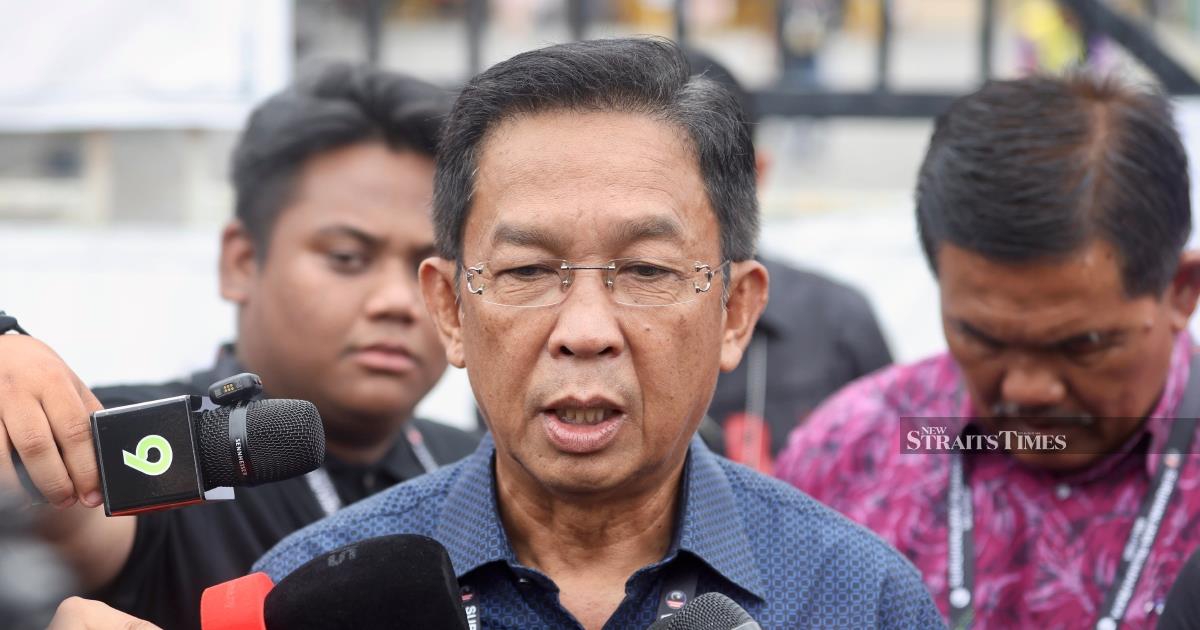
Datuk Seri Jalaluddin Alias, who leads the Negri Sembilan Umno Liaison Committee, has provided an explanation for his conspicuous absence at the menteri besar swearing-in ceremony held at Istana Besar Seri Menanti, stating that he received insufficient notice before the event took place. The high-profile ceremony, which marks an important constitutional moment in the state's political calendar, saw various dignitaries and party officials in attendance, but Jalaluddin's non-appearance prompted questions about potential divisions or scheduling conflicts within the party hierarchy.
The swearing-in of a new menteri besar typically draws a broad cross-section of Negri Sembilan's political establishment, making any notable absence a matter of public interest and subject to speculation about underlying tensions or organisational lapses. In Malaysia's federal system, such ceremonies carry ceremonial and symbolic weight, with attendance by senior party figures serving as a visible demonstration of party unity and support for the incoming chief minister. The event's significance is particularly pronounced in Negri Sembilan, where the position commands considerable influence over state-level policy and resource allocation affecting over one million residents.
Jalaluddin's clarification regarding short notice reflects a potential gap in communication channels between those coordinating the ceremonial arrangements and key party officials. The Umno Liaison Committee chairman's role encompasses coordination between the national party apparatus and state-level operations, suggesting that his absence may have inadvertently signaled organisational dysfunction to observers closely monitoring the party's internal cohesion. Such lapses in administrative communication, though appearing routine on the surface, can carry broader implications for party discipline and the effectiveness of internal notification systems.
In the Malaysian political context, where coalition harmony and visible party solidarity are carefully choreographed, even minor scheduling oversights can generate interpretations about potential fractures or disagreements. State-level ceremonies like a menteri besar's swearing-in serve as occasions when party officials demonstrate their alignment with leadership decisions and upcoming administrations. The precedent of comprehensive attendance by senior figures has become established practice, making deviations noteworthy to political observers and media commentators seeking signs of internal party dynamics.
The Negri Sembilan Umno structure, under which Jalaluddin operates, plays a critical bridging role between Umno's central leadership and the party's operational mechanisms within the state. This position typically involves responsibilities for party discipline, membership coordination, and liaison duties that would ordinarily include attendance at significant state ceremonies. The omission therefore raises questions about whether the notification process functioned adequately or whether competing commitments took precedence, necessitating the subsequent clarification to address public speculation.
Jalaluddin's explanation underscores a practical reality of Malaysian politics: the operational complexity of coordinating attendance across multiple tiers of government and party hierarchy. Officials juggling responsibilities at state, federal, and party-administrative levels frequently encounter scheduling conflicts, and advance notice becomes essential for securing their participation in ceremonial functions. The menteri besar swearing-in, while symbolically important, must compete with other urgent matters demanding attention from senior party figures managing multiple constituencies and obligations.
For Negri Sembilan residents and political observers, such clarifications contribute to public understanding of how state-level ceremonies function and which officials typically participate. The state's voters, numbering approximately 1.1 million, form part of a broader Malaysian electorate accustomed to scrutinising visible symbols of party unity and governmental legitimacy. When senior officials' absences become matter of public explanation, it inadvertently draws attention to administrative processes that usually operate without public commentary.
The incident also reflects evolving expectations around communication protocols in modern Malaysian politics. With digital communication channels now standard, the citation of short notice as a reason for absence raises implicit questions about why notification procedures might have failed to reach a senior Umno figure whose contact details should be readily available through established party channels. Such explanations, while often accepted at face value, nonetheless prompt reflection on whether ceremonial arrangements adequately account for the schedules of key stakeholders.
Moving forward, the episode may prompt Negri Sembilan Umno leadership to reassess its communication frameworks for significant state events, ensuring that advance notification reaches relevant officials with sufficient lead time for confirmation and arrangement of their schedules. Strengthening such protocols would reduce the likelihood of high-profile absences generating unnecessary speculation about party dynamics or creating awkward situations requiring subsequent clarification. For Malaysian political practitioners, such administrative refinements represent ongoing learning opportunities in managing the ceremonial dimensions of state governance where perception and participation carry genuine symbolic weight.

