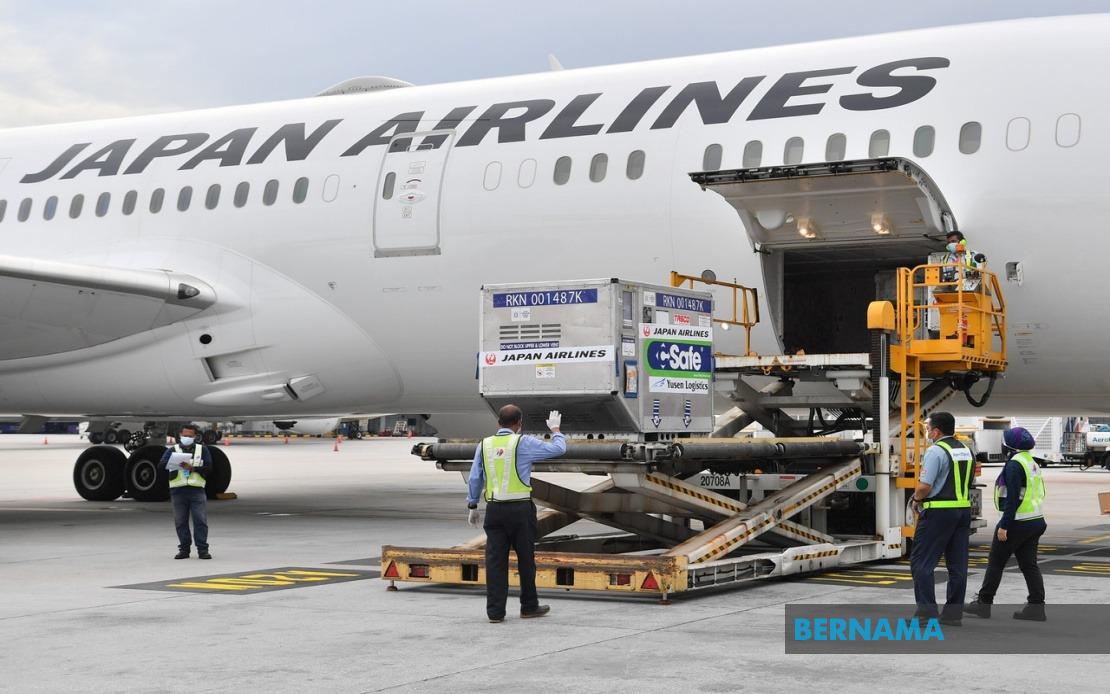
Japan Airlines announced on Tuesday that it would decrease fuel surcharges on international flight tickets for the months of September and October, capitalizing on the recent decline in global oil prices that followed the initial resolution of tensions between the United States and Iran. The carrier's decision represents the second major Japanese airline to pass savings on to passengers as crude oil markets have stabilized following weeks of elevated volatility.
The Tokyo-based carrier will reduce its fuel surcharge for one-way tickets destined for North America and Europe to 50,000 yen, a notable rollback from the record-high 65,000 yen that passengers paid during July and August. For routes serving China and Taiwan, Japan Airlines has lowered the surcharge to 12,400 yen from the previous level of 16,900 yen. These adjustments represent substantive relief for business and leisure travellers on some of Asia's busiest aviation corridors, particularly for those planning extended trips that incur multiple ticket purchases.
All Nippon Airways, Japan's other major international carrier, preceded Japan Airlines by announcing its own surcharge reductions last Wednesday. The carrier set its North America and Europe surcharge at 55,000 yen, marginally higher than Japan Airlines' new rate, while pricing its China and Taiwan surcharge at 14,300 yen. The near-simultaneous moves by Japan's two largest international airlines suggest industry-wide recognition that the fuel cost environment has fundamentally shifted from the crisis levels experienced during the peak of US-Iran escalation.
Fuel surcharges operate as a mechanism by which airlines directly transmit global oil price movements to ticket prices, allowing carriers to adjust fares without formally restructuring their published base prices. This pass-through system has become standard practice across the aviation industry, enabling airlines to maintain revenue stability while protecting themselves against sudden commodity price shocks. For passengers, these surcharges have become an increasingly visible component of total airfare costs, often representing 15 to 25 percent of the final ticket price on long-haul international routes.
The backdrop to these reductions centers on the preliminary peace agreement reached between the United States and Iran in mid-June, which temporarily defused one of the world's most geopolitically significant energy supply risks. Crude oil prices, which had spiked on concerns about potential supply disruptions from the Middle East, began retreating during June and July as markets digested the prospect of de-escalation. These price declines in June and July directly feed into surcharge calculations for September and October tickets, creating a lag effect that means passengers booking several months in advance see the benefits of earlier price movements.
However, the outlook for fuel surcharges beyond the immediate term remains clouded by uncertainty surrounding the sustainability of the US-Iran peace process. Negotiations between the two countries remain stalled, meaning the geopolitical risk premium that pushed oil prices higher earlier in the year has not been entirely eliminated. If diplomatic efforts falter or break down entirely, crude prices could potentially spike again, forcing airlines to reimpose higher surcharges and potentially triggering a new round of fare increases across the industry.
For Malaysian and Southeast Asian travellers, these Japanese airline adjustments carry particular significance. Many regional passengers transit through Japanese hubs such as Tokyo or Osaka to reach North American and European destinations, making Japan Airlines and All Nippon Airways competitive options for long-haul travel. The fuel surcharge reductions from these carriers may prompt Malaysian airlines such as Malaysia Airlines and AirAsia to review their own surcharge structures, potentially creating competitive pressure that benefits regional travellers.
The fuel surcharge mechanism also illustrates broader vulnerabilities in global air transportation to external energy shocks. A conflict involving major Middle Eastern oil producers would immediately translate into higher ticket prices across the world within weeks, affecting millions of passengers. This structural reality underscores why airlines maintain close monitoring of geopolitical developments and commodity markets, and why seemingly distant conflicts between superpowers have immediate consequences for travellers booking flights from Kuala Lumpur, Bangkok, or Singapore.
Market analysts note that the surcharge reductions by Japan's carriers reflect genuine improvements in the oil price trajectory rather than temporary adjustments. Crude prices have stabilized in the $55 to $65 per barrel range, substantially below the peaks reached during the height of US-Iran tensions. Should this stability persist, carriers may maintain their lower surcharge levels through the remainder of the year, providing relief to business travellers and holiday planners who book tickets during this window.
The competitive dynamics between Japan Airlines and All Nippon Airways merit attention as well. Despite All Nippon Airways' earlier announcement, Japan Airlines has managed to undercut its rival on the premium North America and Europe route by 5,000 yen, a meaningful difference for price-conscious corporate travel departments. This pricing competition may intensify if oil prices continue their downward trajectory, benefiting consumers while putting margin pressure on the carriers' fuel surcharge revenues.
Looking ahead, the sustainability of current fuel surcharge levels depends critically on whether the US-Iran diplomatic process can stabilize and progress toward a more comprehensive resolution. International energy markets remain sensitive to developments in these negotiations, and any sudden deterioration in relations could quickly reverse the benefits passengers are beginning to realize. Nonetheless, the immediate announcements from Japan's major carriers signal that the acute phase of oil price volatility has subsided for now, allowing the aviation industry to offer modest fare relief to long-haul travellers.

