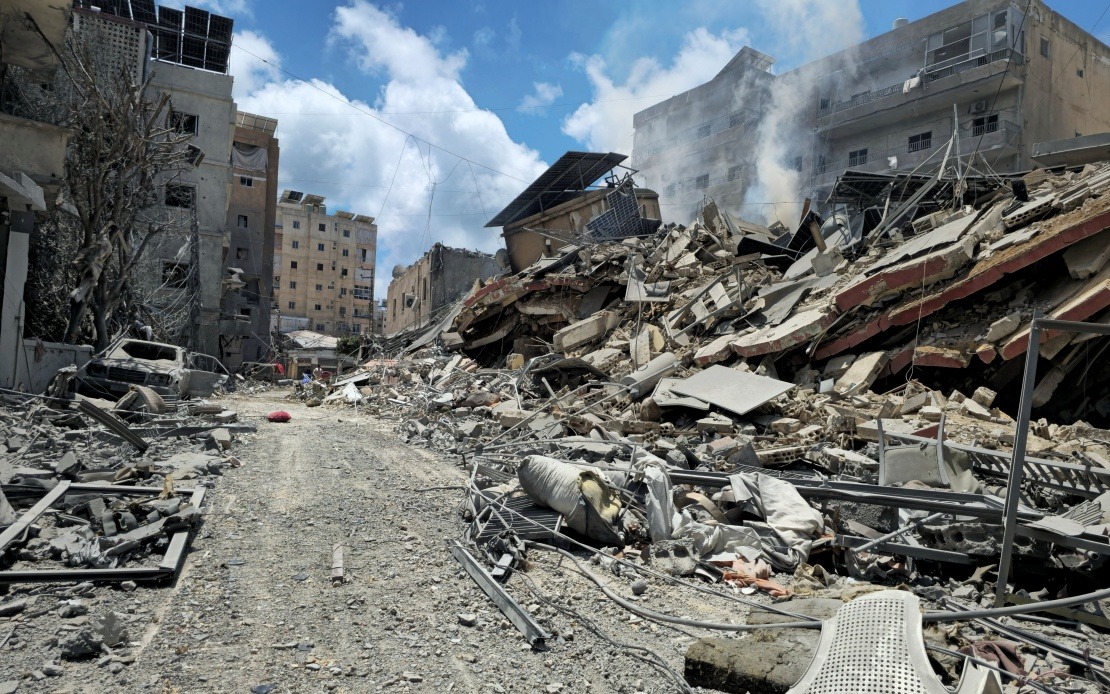
Japan has committed US$15 million in emergency humanitarian assistance to address acute welfare shortages across West Asia, with foreign minister Toshimitsu Motegi announcing the allocation during a Friday briefing in Tokyo. The decision reflects Tokyo's strategic concern over regional stability and its historical role as a major development partner in the Middle East. The funding will be distributed through established international organisations, ensuring efficient delivery of aid to civilian populations facing severe hardship across multiple conflict zones.
The largest portion of the assistance, approximately US$10 million, will flow to Iran, which continues grappling with the aftermath of recent regional tensions and economic pressures that have strained healthcare and food security systems. The remaining funds are partitioned between Lebanon—receiving around US$4 million—and Palestinian communities in the West Bank, allocated US$1 million. This tiered approach reflects Tokyo's assessment of where humanitarian needs are most acute, though all three locations face interconnected challenges stemming from geopolitical instability and displacement.
The aid package focuses on essential categories: food supplies for vulnerable populations, medical equipment and pharmaceuticals for overwhelmed health facilities, and broader humanitarian assistance addressing immediate survival needs. Japan's decision to channel resources through international organisations rather than bilateral government channels underscores Tokyo's preference for working within established humanitarian frameworks, reducing potential complications from diplomatic tensions while ensuring transparent allocation and monitoring of resources.
Motegi emphasised that stability and peace in the Middle East carry profound significance for Japan beyond mere humanitarian concern. As a resource-importing nation heavily dependent on Middle Eastern oil and reliant on freedom of navigation through regional waterways, Japan faces direct economic and strategic consequences from regional instability. The commitment signals Tokyo's willingness to invest in conflict mitigation and civilian welfare as complementary strategies for preserving its vital interests in one of the world's most volatile regions.
The announcement arrives amid sustained humanitarian crises across West Asia, where multiple overlapping conflicts and economic collapse have displaced millions and decimated basic services. Iran faces international sanctions and internal economic strain, Lebanon continues its descent into financial catastrophe affecting hospitals and schools, while the West Bank experiences ongoing security challenges and resource constraints. Japan's contribution, while modest in global aid terms, carries symbolic weight as support from a major developed economy for populations often marginalised in international assistance discussions.
Japan's humanitarian engagement in the Middle East forms part of a broader diplomatic strategy aimed at maintaining constructive relationships across the region while avoiding alignment with any particular geopolitical bloc. By framing assistance as humanitarian rather than political, Tokyo attempts to preserve its capacity to dialogue with various actors and present itself as a neutral development partner committed to civilian welfare above factional interests. This approach has served Japanese interests historically, particularly in maintaining access to energy resources and trade relationships.
For Southeast Asian nations observing Japan's Middle Eastern strategy, the approach offers instructive lessons in managing relationships within multipolar regional environments. Like Japan, many ASEAN members navigate complex geopolitical terrain while maintaining economic relationships with distant powers. Japan's emphasis on multilateral channelling of assistance through international organisations provides a model for supporting humanitarian needs without deepening political entanglement or provoking accusations of favouritism.
Motegi reiterated Japan's commitment to sustained engagement with relevant regional and international partners to improve humanitarian conditions and advance peace prospects. This language signals that the US$15 million represents not a final gesture but initial commitment within a longer-term diplomatic and development strategy. Japan intends positioning itself as a reliable partner for stability-building efforts, though concrete mechanisms and timelines remain unspecified in the announcement.
The timing of Japan's aid announcement reflects ongoing international efforts to address West Asian humanitarian crises through coordinated donor contributions. As other developed nations calibrate their Middle Eastern engagement following recent regional developments, Japan's decision to provide tangible financial support demonstrates continuity in its development diplomacy while responding to documented shortages in medical and food assistance. The allocation suggests Japanese policymakers assess current humanitarian needs as requiring urgent action despite broader geopolitical uncertainties.
Regional observers will likely scrutinise how Japan's aid reaches intended beneficiaries and whether delivery succeeds despite logistical challenges inherent in conflict zones. Successful implementation could enhance Japan's diplomatic standing as a competent and serious development partner, potentially opening avenues for expanded engagement in post-conflict reconstruction if regional circumstances eventually permit. Conversely, implementation difficulties could reinforce scepticism about wealthy nations' capacity to deliver effective assistance in complex operating environments.

