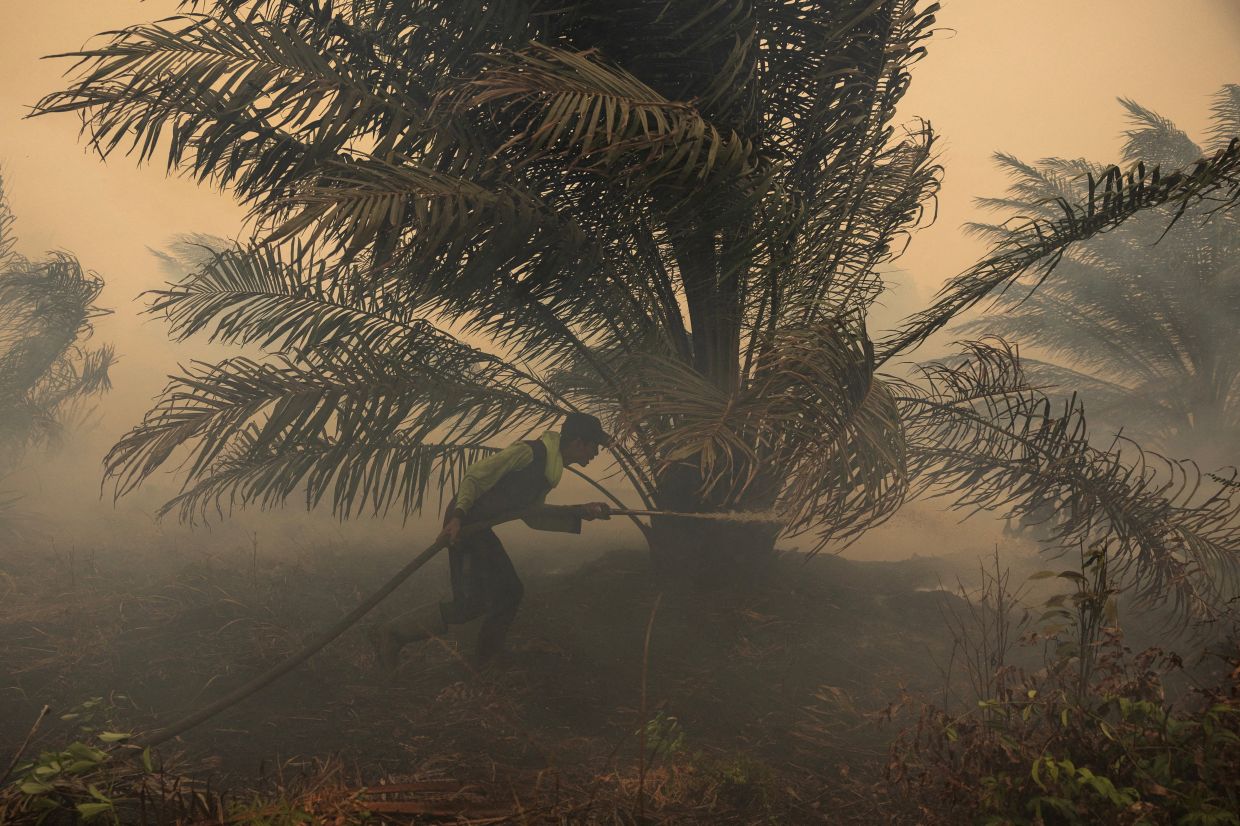
Japan has stepped in with aerial support to help Indonesia tackle a worsening forest fire crisis in Kalimantan, as air quality measurements have reached dangerously high levels across the island. The government in Tokyo is committing three helicopters to water-bombing operations, with deployment expected to commence on September 10. This international assistance underscores the scale of the emergency unfolding in one of Southeast Asia's most ecologically sensitive regions, where smoke has blanketed vast areas and created severe health hazards for millions of residents.
The Indonesian National Disaster Mitigation Agency, through spokesman Berton Panjaitan, disclosed that preparations for the Japanese aerial campaign are well advanced, with site surveys and operational planning already underway. The helicopter contingent will include a heavy-lift Chinook aircraft capable of carrying substantial water loads, positioning the mission to make a material difference in suppressing active fire zones spread across multiple provinces. Officials emphasised that discussions between the two nations have concentrated on the technical and logistical dimensions required for effective water-bombing campaigns across Kalimantan's challenging terrain.
Conditions on the ground have deteriorated markedly, with air quality indices reaching levels that pose serious risks to public health. In Palangka Raya, Central Kalimantan, the district of Jekan Raya recorded an ISPU of 1,108, while Pontianak in West Kalimantan hit 1,075—both measurements classified as hazardous by environmental standards. These readings reflect the concentration of particulate matter and pollutants in the atmosphere, creating conditions where vulnerable populations face heightened risks of respiratory illness and other health complications. For comparison, most developed nations consider an index above 300 to be dangerous; readings exceeding 1,000 represent a public health emergency of the highest order.
The hotspot data reveals that fires are spreading rather than being controlled. Indonesia's disaster agency identified more than 9,200 active fire locations across the three Kalimantan provinces, with all three regions showing upward trends. West Kalimantan experienced the most dramatic surge, with hotspots jumping by 1,629 in recent reporting periods to reach 3,371 total locations. Simultaneously, ground-based fire spots—representing active blazes—numbered 171 across the region. This combination of increasing hotspots and confirmed fires suggests that current resources are being overwhelmed, making the injection of Japanese aerial assets particularly timely.
Weather has complicated response efforts, with cloud cover proving either beneficial or obstructive depending on location. In Sumatra, cloud seeding operations designed to encourage rainfall have shown promise, delivering precipitation to affected areas in Riau, South Sumatra, Jambi and Lampung. However, Central and South Kalimantan have been less fortunate, lacking the atmospheric conditions necessary for weather modification operations to function effectively. This geographic disparity means that while some fire-prone areas have received natural relief through induced rainfall, the more severely affected parts of Kalimantan remain dependent on direct firefighting intervention.
Indonesia has mobilised substantial domestic resources to combat the crisis, though they appear insufficient to match the scope of the emergency. The National Disaster Mitigation Agency currently operates 52 aircraft in support of firefighting activities, subdivided into 38 water-bombing planes and 14 surveillance and weather modification aircraft. These assets have dispensed approximately 3.5 million litres of water across six priority provinces. While these figures represent a considerable commitment, they underscore why international assistance has become necessary—the fires are spreading faster than available resources can suppress them.
The contribution from Japan reflects broader regional concern about transboundary haze, a recurring phenomenon that affects neighbouring countries including Malaysia and Singapore when wind patterns shift. Previous fire seasons have demonstrably impacted air quality across Southeast Asia, creating diplomatic pressure on Indonesia to mount more aggressive suppression campaigns. Japanese involvement also signals Tokyo's strategic interest in environmental cooperation with a key regional partner and reflects awareness that forest degradation in Indonesia carries implications for global climate patterns and biodiversity.
The timing of the Japanese deployment coincides with heightened scrutiny of Indonesia's land and forest management practices. Environmental organisations have long documented how agricultural expansion, particularly in palm oil production, has reduced forest cover and increased fire vulnerability by fragmenting ecosystems. The current crisis, which occurs during what should be a relatively dry season, suggests underlying structural problems in land management and fire prevention. Despite government efforts to enforce regulations against deliberate burning and to manage agricultural transitions, the persistence and severity of these fires point to implementation challenges and competing economic incentives that continue to drive land clearing.
For Malaysian readers and policymakers, this crisis carries specific relevance beyond humanitarian concern. Malaysia faces similar fire risks during dry seasons, particularly in Peninsular Malaysia and East Malaysia, and depends on cooperative regional approaches to haze mitigation. The scale of Japan's response also raises questions about whether Malaysia should similarly seek bilateral technical support or enhance regional cooperation frameworks. Additionally, any long-term solution requires addressing the underlying drivers of forest loss, issues that Malaysia confronts in balancing development with environmental protection.
The involvement of international partners in Indonesia's fire response also highlights limitations in domestic capacity, suggesting that Southeast Asian nations collectively need to strengthen disaster preparedness infrastructure. Current arrangements rely heavily on ad-hoc international assistance during crises rather than permanent regional mechanisms. Building sustained capacity for aerial firefighting, establishing shared equipment reserves, and developing coordinated training programmes could better position the region to respond to environmental emergencies. The Japanese intervention, while welcome and necessary, should prompt reflection on whether such external reliance is sustainable given the predictable recurrence of these seasonal disasters.
Beyond immediate firefighting operations, the current episode underscores the urgency of addressing root causes of forest vulnerability. Land-use planning that incorporates fire risk, enforcement of regulations against agricultural burning, restoration of degraded forest landscapes, and support for alternative livelihoods in fire-prone regions all require sustained investment and political commitment. International cooperation can provide temporary relief, but only comprehensive domestic reform can prevent these crises from recurring with predictable regularity each dry season.

