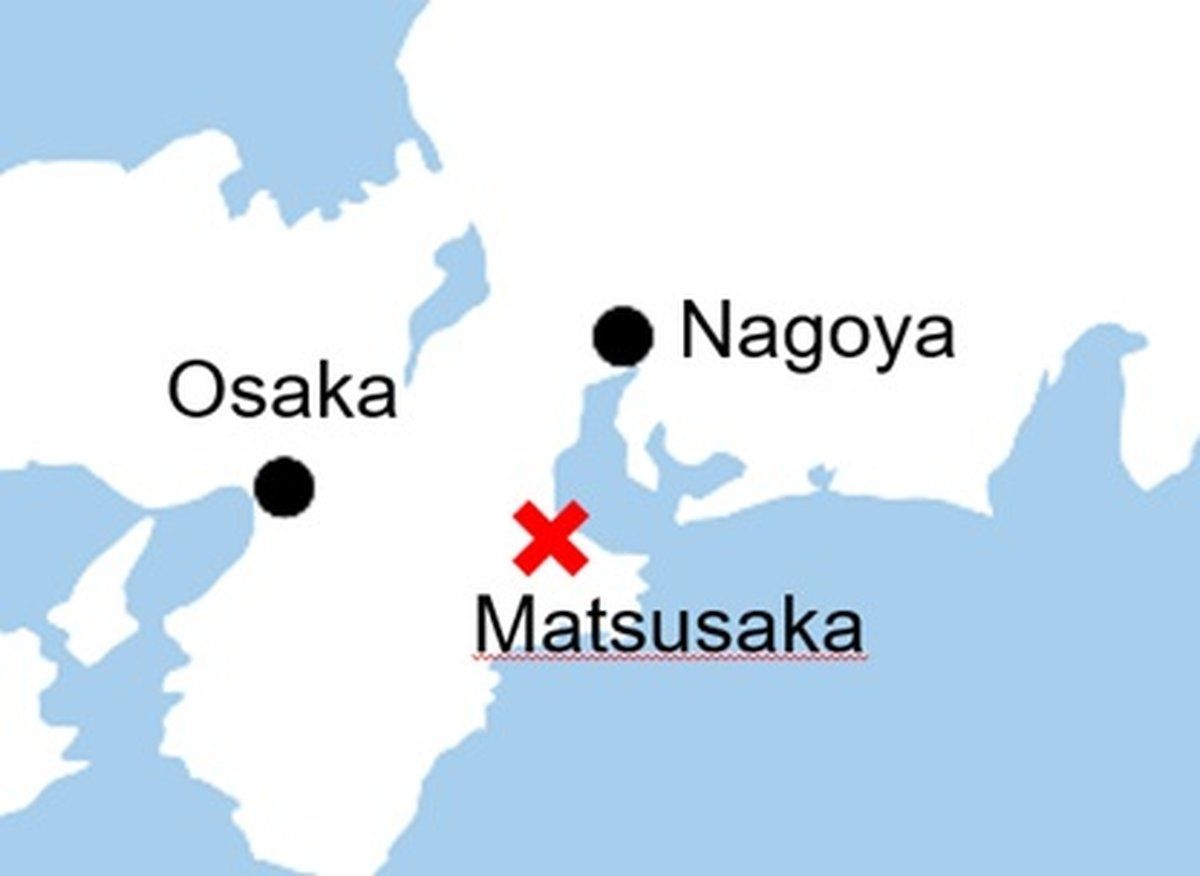
A 35-year-old resident of Matsusaka in Mie Prefecture, Japan, has been taken into custody following allegations that he placed his partner's five-year-old daughter inside a garbage can and sealed the lid shut, an act he characterised as corrective discipline. The arrest came on Thursday, June 18, after local police launched an investigation into the incident, which the suspect has since acknowledged.
The episode occurred on the evening of May 12 at the man's partner's residence in Mie Prefecture. According to police records, the child was placed inside the garbage container at approximately 6:30 p.m. and remained confined for approximately five minutes before being removed. Despite the harrowing nature of the confinement, the girl sustained no physical injuries during the ordeal, though the psychological impact of such an experience remains a matter of concern for child welfare authorities.
The suspect's characterisation of the action as a disciplinary measure highlights a troubling perspective on child-rearing that has drawn scrutiny from Japanese welfare agencies. While traditional approaches to discipline vary across cultures and communities, confinement in an enclosed space—particularly one as degrading and potentially dangerous as a garbage receptacle—represents a serious breach of child protection standards established under Japanese law. The man's willingness to admit his involvement suggests either a lack of recognition of the severity of his actions or an absence of concern regarding their consequences.
The delayed discovery of the incident underscores gaps in household monitoring that can allow child abuse to persist undetected. News of the confinement did not reach official channels until May 20, more than a week after the event, when a child welfare centre became aware of what had transpired. This eight-day gap between the incident and notification demonstrates how child maltreatment can go unrecognised in domestic settings, particularly when the victim may be too young or intimidated to report abuse to authorities.
Following intervention by the child welfare centre, protective measures were swiftly enacted. The five-year-old victim was placed under the centre's care, and her older sister was similarly taken into protective custody. This dual placement indicates that welfare officials identified concerns extending beyond a single incident, suggesting a pattern of household dysfunction or potential mistreatment that warranted removal of both children from the home.
The case reflects broader concerns about child welfare standards in Japan, a developed nation where incidents of domestic abuse and inappropriate discipline persist despite robust legal frameworks. Japanese law prohibits corporal punishment and overly restrictive disciplinary measures, yet enforcement remains inconsistent, and cultural attitudes toward strict parenting sometimes create space for harmful practices to continue. Educational campaigns and training for educators and healthcare workers have gradually improved detection rates, yet gaps remain.
For Malaysian and Southeast Asian readers, this incident serves as a cautionary example of how vulnerability intersects with family structures. In blended households or situations involving non-biological parental figures, children may face heightened risk, particularly when there are limited oversight mechanisms or when family members hesitate to report concerns. The involvement of the child welfare centre demonstrates the importance of institutional vigilance and accessible reporting channels.
The timing of this arrest also highlights the role of child welfare centres as critical safeguards within society. In Japan, these centres function as both monitoring and intervention bodies, though their effectiveness depends on timely information sharing from schools, healthcare providers, neighbours, and family members. Malaysia's own child protection infrastructure, including the Department of Social Welfare and various NGOs, similarly relies on community awareness and willingness to report suspected cases of maltreatment.
The case underscores that parenting challenges and household stress, while common, do not justify confining children or employing degrading forms of punishment. Support services, parenting classes, and mental health resources offer constructive alternatives for adults struggling with child-rearing responsibilities. The man's actions suggest either insufficient parenting knowledge or an absence of emotional regulation during a moment of frustration—both areas where intervention could prevent future harm.
As details emerge from ongoing investigations in Mie Prefecture, the broader implications for child protection policy in Japan and across East Asia remain significant. Authorities will likely examine whether additional charges are warranted and whether the home environment presents risks justifying extended protective custody. For observers in the region, the case reinforces that vigilance regarding child welfare requires active engagement from communities, robust institutional responses, and unwavering commitment to protecting society's most vulnerable members from deliberate harm.
%22%2F%3E%3C%2Fpattern%3E%3C%2Fdefs%3E%3Crect%20width%3D%22100%25%22%20height%3D%22100%25%22%20fill%3D%22url(%23ph1zpo7g)%22%2F%3E%3Crect%20width%3D%22100%25%22%20height%3D%22100%25%22%20fill%3D%22url(%23ph1zpo7p)%22%2F%3E%3Ctext%20x%3D%2250%25%22%20y%3D%2250%25%22%20text-anchor%3D%22middle%22%20dominant-baseline%3D%22central%22%20fill%3D%22rgba(255%2C255%2C255%2C0.95)%22%20font-family%3D%22Georgia%2C%20'Times%20New%20Roman'%2C%20serif%22%20font-weight%3D%22700%22%20font-size%3D%22151%22%20letter-spacing%3D%22-0.02em%22%3ESingapore%3C%2Ftext%3E%3C%2Fsvg%3E)