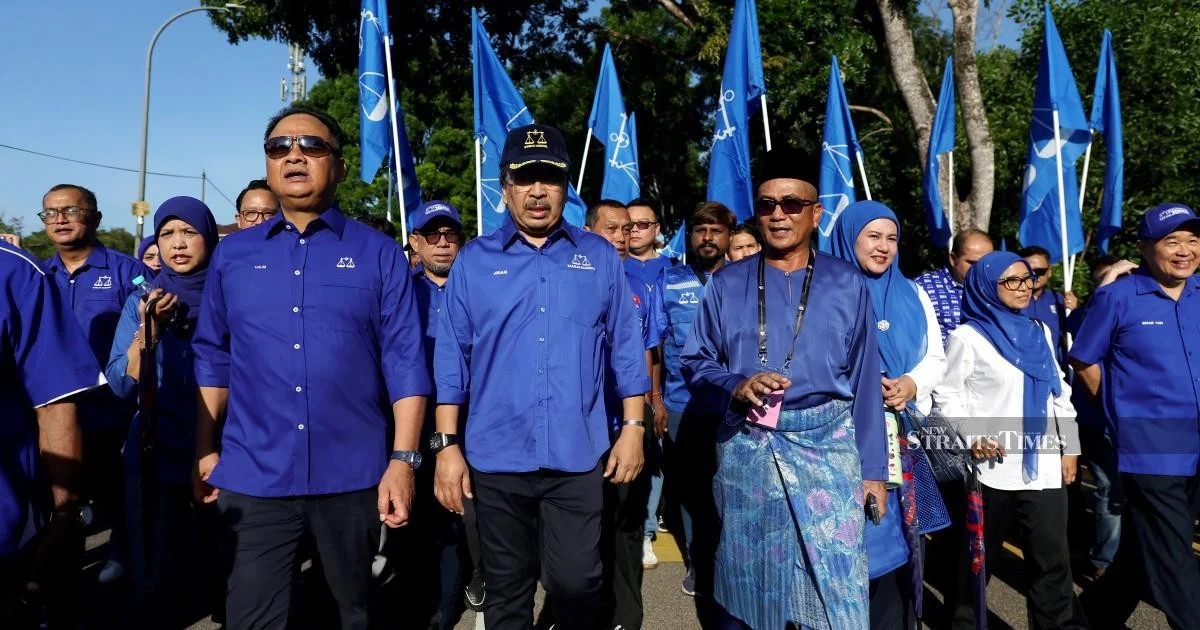
Umno vice-president Datuk Seri Johari Abdul Ghani has injected fresh momentum into Barisan Nasional's campaign machinery in Johor by personally appearing at a grassroots gathering to champion the coalition's bid for the Tiram seat. The senior party figure arrived at the Taman Pelangi Indah community hall, signalling the intensity with which the ruling coalition is pursuing electoral success in the southern state.
The deployment of a figure of Johari's stature underscores the strategic importance Barisan Nasional places on retaining or capturing the Tiram seat. Senior leadership rarely makes campaign appearances unless the contest is deemed highly competitive or carries symbolic weight within the party's electoral calculations. His presence reflects both confidence in the candidate and recognition that personal endorsements from recognizable national figures can sway undecided voters in closely contested parliamentary and state legislative races.
Johor remains one of Malaysia's most volatile electoral battlegrounds, with power shifting between coalitions in recent election cycles. The state's political landscape has undergone significant realignment since the 2018 general election, when Pakatan Harapan made substantial inroads. Subsequent state elections and by-elections have demonstrated that voter sentiment remains fluid, making every campaign appearance and grassroots mobilization effort consequential. Barisan Nasional's decision to commit high-ranking officials to individual contests indicates awareness that victory margins in Johor cannot be taken for granted.
The Tiram constituency encompasses diverse demographic segments typical of urban and semi-urban Johor districts, including both long-established Malay-Muslim communities and increasingly diverse populations. These mixed electorates require nuanced campaign messaging and personal connections that senior party figures can help establish. Johari's presence provides the candidate with a visible endorsement from the national leadership structure, potentially reassuring voters concerned about local governance capacity or party strength at the federal level.
Barisan Nasional's organizational machinery in Johor has historically relied on systematic grassroots engagement and deployment of recognizable figures to reinforce the party's messages. Community halls such as Taman Pelangi Indah serve as important focal points for these campaigns, allowing the coalition to address local concerns while reinforcing broader narratives about stability and developmental competence. Such venues facilitate direct interaction between leadership and constituents, creating opportunities for real-time feedback on voter priorities.
The timing of Johari's appearance also carries significance within Umno's internal political dynamics. As vice-president, he maintains considerable influence over party machinery and resource allocation. His visible engagement in campaign work signals commitment to electoral success and can influence party cadre motivation across affiliated organizations and networks. For the Tiram candidate, this backing represents valuable institutional support extending beyond the immediate campaign period.
Johor's position as Malaysia's second-largest state by population makes it electorally consequential for national coalition formations. A diminished Barisan Nasional presence in the state would reshape federal political arithmetic, potentially affecting government stability and policy direction. Conversely, strong Johor results strengthen the coalition's hand in parliamentary dynamics and enhance party leaders' negotiating positions within the broader ruling structure. These high-stakes considerations animate the energy and resources channeled into individual state constituencies.
The opposition alliance has similarly committed substantial campaign efforts throughout Johor, creating competitive contests in many seats. Voters across the state face meaningful choices between alternative governance visions, with different coalitions emphasizing distinct development priorities and policy directions. Under these circumstances, campaign intensity and leadership engagement become important factors influencing electoral outcomes, particularly in seats where poll projections suggest competitive races.
Barisan Nasional's reliance on senior figure engagement reflects broader campaign strategies emphasizing party unity, organizational discipline, and leadership credibility. By deploying vice-president-level officials to individual community gatherings, the coalition attempts to translate national organizational strength into localized electoral advantage. This approach assumes that voter confidence in party leadership translates into support for individual candidates, particularly in constituencies where party affiliation remains a significant voting consideration.
The Johor electoral environment continues evolving as demographic changes, economic pressures, and shifting political allegiances reshape constituency dynamics. Campaigns must address both enduring voter concerns and emerging priorities, requiring flexibility and responsiveness from all participating coalitions. Leadership appearances at community forums provide platforms for addressing these diverse interests while simultaneously demonstrating party commitment to constituencies seeking national-level attention and resource allocation.
For Barisan Nasional, consolidating Johor support remains essential for maintaining its foundational electoral base. The state's political trajectory significantly influences national political configurations and coalition viability. Johari's campaign participation exemplifies the coordinated effort the ruling coalition is marshalling to defend and expand its Johor representation, recognizing that complacency in this strategically vital state could carry serious consequences for federal politics. The Tiram campaign thus represents one component of a broader statewide mobilization effort aimed at ensuring Barisan Nasional's continued relevance in Johor's evolving political landscape.

