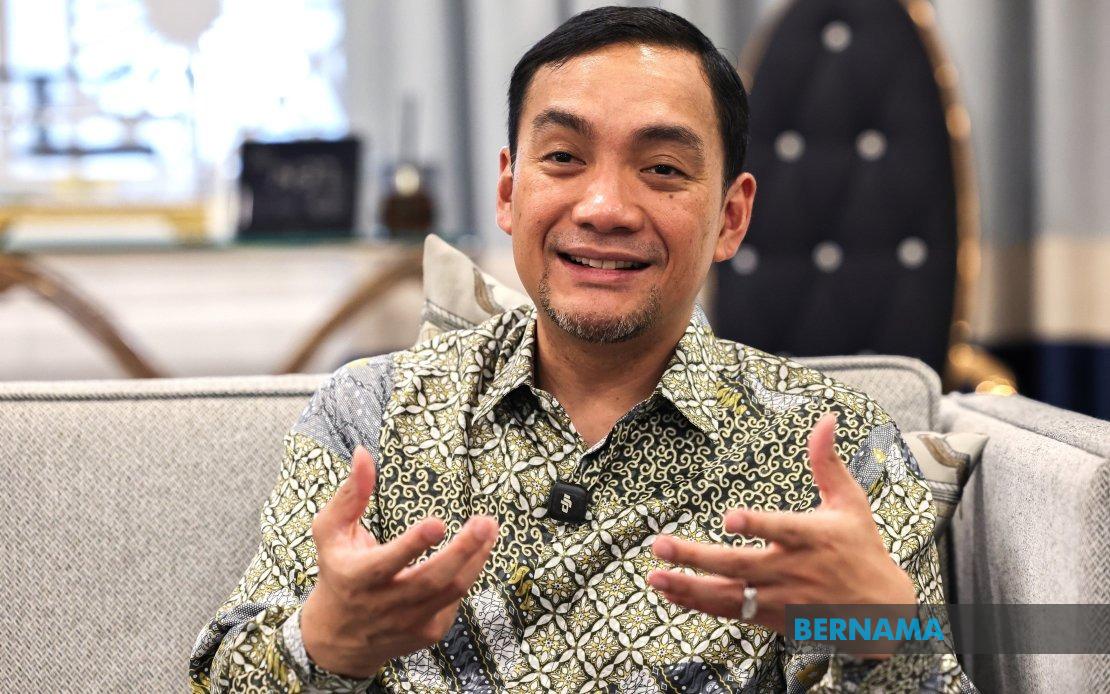
Johor Barisan Nasional has committed to establishing the Semarak Isya' programme in every state constituency as part of its manifesto pledges for the upcoming state election, positioning the initiative as a counterpart to its existing Semarak Subuh effort. The programme forms one of 63 commitments outlined in the coalition's campaign platform, titled 'Maju Johor, Kestabilan Dikekalkan, Kemajuan Diteruskan', which frames development through both economic and social lenses.
According to Johor BN chairman Datuk Onn Hafiz Ghazi, the Semarak Isya' concept seeks to transform mosques and surau into multifunctional community institutions that extend beyond their primary role as places of prayer. The programme envisions these spaces becoming hubs for religious education, social welfare distribution, and grassroots community activities centred around the isyak prayer gathering. By scheduling structured activities after evening prayers, the initiative targets congregants when they have completed their daily obligations and are more available for engagement.
The proposed scheme includes providing complimentary meals to worshippers following prayers, a practical incentive designed to encourage sustained participation in mosque activities. Beyond nutrition, the programme encompasses thematic religious lectures, spiritual content delivery, and family-oriented events that extend mosque involvement beyond the traditional prayer function. This reflects a broader strategic approach to weaving religious institutions more tightly into the fabric of daily community life, particularly for younger demographics and families.
The Machap assemblyman articulated a philosophical underpinning for the initiative that challenges conventional development metrics. He argued that state progress cannot be measured through physical infrastructure and economic indicators alone, but must incorporate the cultivation of moral values, spiritual resilience, and social cohesion. This framing positions mosque-centred programming as integral to comprehensive state development rather than as a peripheral social amenity.
Building on the established success of the Semarak Subuh morning prayer programme, the Semarak Isya' initiative represents an expansion strategy aimed at capturing evening congregations. The morning variant has reportedly strengthened community connections with religious institutions, and the evening programme attempts to replicate and extend that momentum into a different time frame. This dual-timing approach maximises touchpoints between state governance and mosque communities across the day.
Under the proposed implementation structure, each state constituency would tailor programming to local demographic requirements and community needs rather than adopting a centralised template. This decentralised approach potentially allows programmes to address distinct challenges across urban, semi-urban and rural constituencies, with religious content, volunteerism initiatives, and welfare distributions customised to local contexts. The flexibility theoretically increases programme relevance and uptake across diverse populations within Johor.
Onn Hafiz particularly emphasised the appeal to younger demographics and families, suggesting that post-prayer activities would create an environment more naturally aligned with modern community life rhythms compared to traditional mosque programming. By integrating contemporary family-oriented activities with religious education, the programme attempts to bridge generational divides in mosque engagement. The initiative acknowledges that younger Malaysians and working families require programming that acknowledges their constrained schedules and lifestyle patterns.
The characterisation of Semarak Isya' reflects broader strategic positioning within Johor's electoral campaign narrative. Rather than focusing exclusively on economic metrics and infrastructure projects, BN is emphasising community wellbeing, spiritual development, and social unity as electoral value propositions. This multidimensional development philosophy suggests a recognition that contemporary voters increasingly consider governance quality beyond GDP growth and construction projects.
For Malaysian politics more broadly, the Semarak Isya' pledge illustrates how religious institutions function as competitive political terrain in state elections. By embedding development promises within mosque-centred programmes, BN positions itself as custodian of spiritual wellbeing alongside material prosperity. This approach also reflects the significance of evening prayer communities as constituent bases, particularly given isyak prayer timings align with post-work schedules when working and family populations are available.
The timing of this pledge, announced during the campaign period with nomination day set for June 27 and polling scheduled for July 11, demonstrates electoral strategy focused on faith-based constituency mobilisation. The specific commitment to implement in every state constituency, rather than selected areas, signals comprehensive coverage intended to demonstrate government reach and commitment across urban and rural Johor.
For Southeast Asian observers, the Semarak Isya' pledge exemplifies how majority-Muslim societies operationalise religious infrastructure as governance delivery mechanisms. Rather than viewing mosques primarily as separate from state functions, the programme integrates them into social provision frameworks, positioning religious institutions as partnerships for welfare distribution and community building. This model has implications for how other Southeast Asian nations approach faith-based community development.
The programme's emphasis on knowledge dissemination, welfare provision, and community development through mosque platforms also suggests recognition that Johor's future workforce requires both technical skills and ethical grounding. By framing mosque engagement as contributing to societal responsibility and values formation, BN connects spiritual development to economic competitiveness and social stability narratives that resonate with diverse voter segments.

