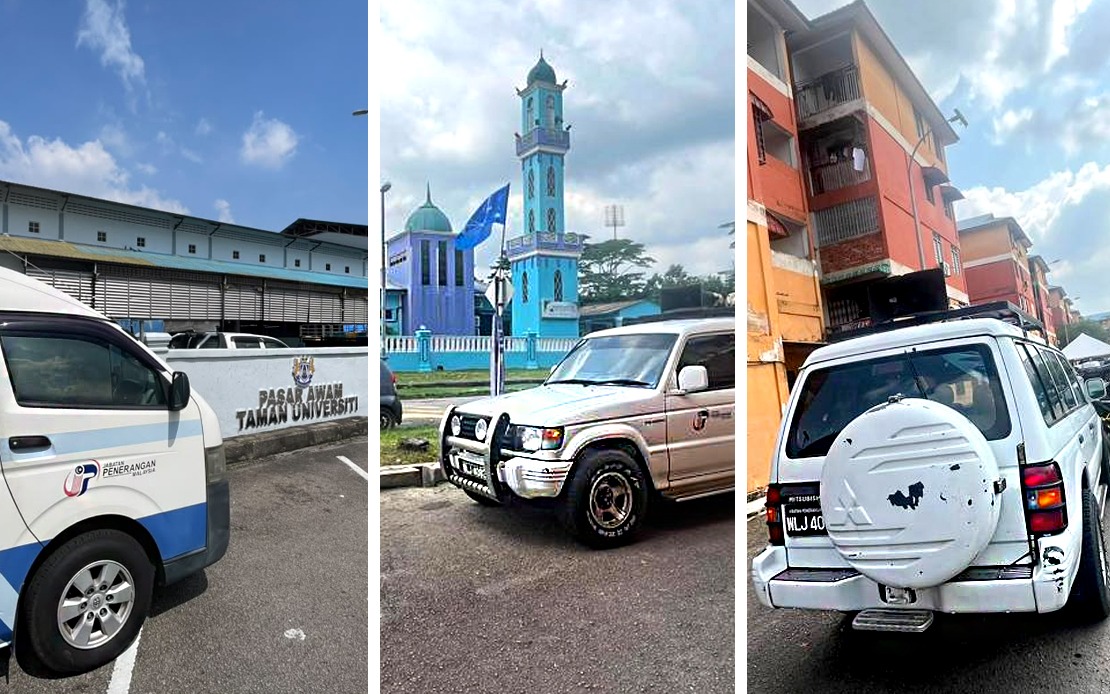
Malaysia's Johor state is intensifying its push to encourage electoral participation through an expansive ground campaign involving 26 specially equipped mobile information units distributed throughout the state. The Johor Department of Information, known as JAPEN, has strategically positioned these Info On Wheels vehicles across all ten districts and 56 state constituencies ahead of the 16th Johor state election scheduled for Saturday. This comprehensive deployment reflects official concern about voter turnout and represents a deliberate shift towards proactive public engagement rather than passive information distribution.
According to JAPEN director Mohd Rizal Hashim, the department's philosophy underpins this extensive mobilisation effort. Rather than expecting citizens to seek out official information through traditional channels, JAPEN has chosen to bring verified election-related details directly to communities. The mobile units are specifically designed to reach voters in their own neighbourhoods, shopping areas, and gathering spots rather than relying on centralised information points or digital platforms alone. This ground-focused strategy acknowledges the reality that segments of Johor's population may not consistently access online information or visit official websites.
The geographical scope of JAPEN's campaign reveals careful attention to demographic diversity within Johor. Urban centres and densely populated residential areas receive targeted visits from these mobile units, ensuring that city-dwelling voters have convenient access to election information. Simultaneously, the campaign extends into traditionally underserved regions, including Felda settlements and Orang Asli villages where information dissemination has historically presented logistical challenges. This inclusive approach aims to eliminate information gaps that might otherwise disadvantage voters in peripheral areas from participating effectively in the electoral process.
Timing represents a crucial element of JAPEN's strategy, particularly during the critical period immediately preceding polling day. The department plans to intensify announcements throughout the three days leading up to Saturday's vote, with particular emphasis during morning and evening hours when communities are most likely to encounter the mobile units. These broadcasts will focus on essential reminders: verifying voter registration status, understanding polling procedures, and planning practical arrangements for reaching voting centres. By concentrating messaging during peak traffic and activity times, JAPEN maximises the likelihood that even casually engaged citizens will encounter election-related information.
The information campaign operates with two complementary objectives that reflect contemporary challenges in electoral environments across Southeast Asia. The primary goal involves ensuring that authentic information from the Election Commission, including polling dates and voter verification procedures, penetrates all corners of Johor's population. Beyond this factual dissemination, however, JAPEN explicitly acknowledges the secondary challenge of countering misinformation that characteristically proliferates during election periods. This dual focus demonstrates official recognition that voting behaviour increasingly depends not only on access to correct information but also on public confidence that the information they receive has been independently verified.
Fake news and slanderous claims have become endemic to Southeast Asian election campaigns, and Johor's authorities are taking defensive steps to address this growing threat. JAPEN personnel plan to conduct face-to-face advocacy programmes designed to help voters recognise and reject unverified claims circulating on social media platforms. These direct interactions offer opportunities for officials to explain how Election Commission announcements differ from unsubstantiated rumours, and to provide guidance on assessing information credibility. While mobile units broadcasting through speakers cannot directly counter every false claim, the personal engagement component allows for meaningful dialogue that broader campaigns cannot achieve.
Mohd Rizal articulated the philosophical foundation underlying these efforts when emphasising that voting represents far more than a technical right—it constitutes a fundamental civic responsibility. This framing carries particular weight in Malaysian politics, where official discourse frequently emphasises voting as a means through which citizens exercise agency over their state's trajectory. In Johor's case, this election determines which government will guide the state's development priorities, economic policies, and welfare provisions over the succeeding five years. By casting voting as an expression of popular will regarding these substantive questions, JAPEN attempts to motivate participation beyond mere institutional compliance.
The timing of this intensified campaign reflects broader regional patterns in electoral administration. Malaysian states have increasingly recognised that passive information provision yields insufficient voter participation, particularly among younger citizens and those living in less accessible areas. Johor's 26-unit deployment represents substantial resource commitment that signals official determination to achieve robust turnout. This investment in ground-level engagement may serve as a model for other state and federal election cycles across Malaysia, particularly if preliminary results demonstrate that direct voter contact effectively translates into increased polling participation.
Social media emerges as a particular concern in JAPEN's strategic planning, indicating that the department recognises digital platforms as both vectors for rapid information spread and sources of potential misinformation. The campaign's emphasis on encouraging public vigilance against unverified social media claims suggests that official bodies increasingly view information literacy and critical consumption of online content as election administration challenges. By specifically warning voters against accepting unvetted social media posts during the election period, JAPEN acknowledges that younger voters particularly may rely on digital networks for political information, making them potentially vulnerable to coordinated misinformation campaigns.
The broader context of this voter mobilisation effort reveals the stakes that Johor's government attaches to the coming election. Electoral legitimacy in democratic systems depends significantly on turnout levels, with high participation generally understood as conferring stronger mandates on winning candidates and parties. By deploying substantial resources to encourage voting across all segments of Johor's population, state authorities are attempting to ensure that Saturday's results reflect as comprehensive a cross-section of public opinion as possible. This inclusive approach contrasts sharply with strategies that might selectively target sympathetic voter segments, instead betting that inclusive engagement strengthens overall electoral validity.
For Malaysian observers beyond Johor, this campaign offers instructive lessons about contemporary election administration in the country. The resource intensity of the mobile unit deployment, the explicit focus on combating misinformation, and the emphasis on reaching underrepresented communities reflect evolving official thinking about what effective electoral engagement requires in the digital age. Whether measured through turnout rates or quality of voter knowledge, the outcomes of JAPEN's campaign will likely inform approaches adopted in future state and federal elections throughout Malaysia.

