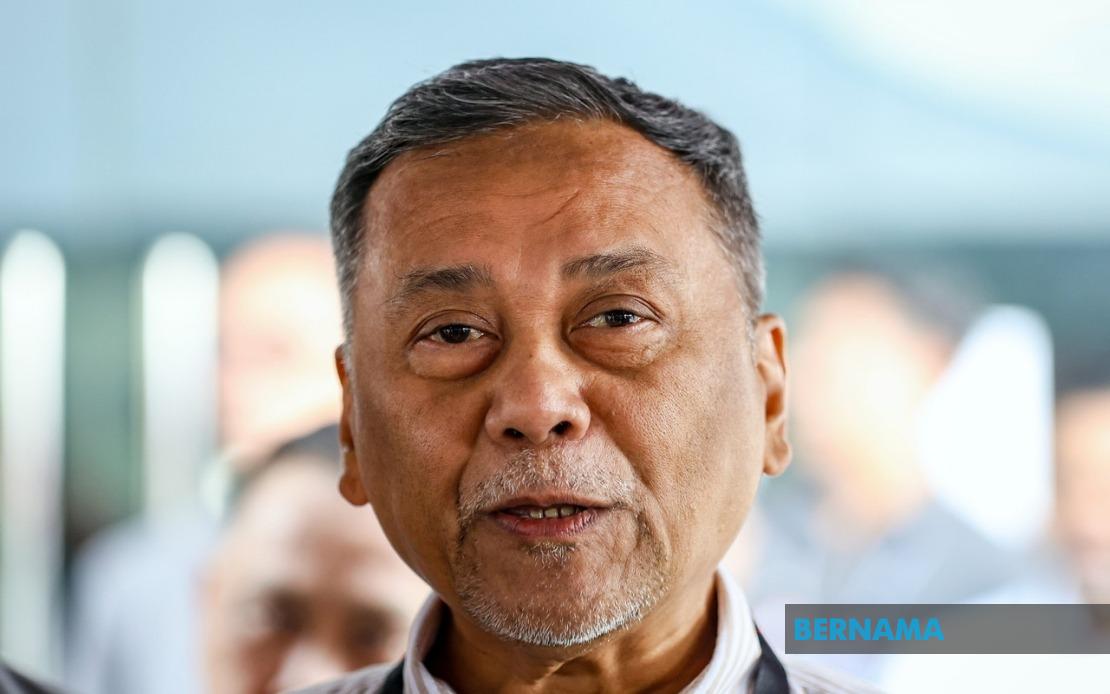
The Election Commission is banking on a robust showing when Johor residents head to the polls tomorrow, projecting that approximately 70 per cent of eligible voters will cast their ballots in what is shaping up to be one of the more actively contested state elections in recent memory. EC chairman Datuk Seri Ramlan Harun attributed this optimistic forecast to observable patterns of heightened civic engagement, noting that the intensity of campaigning and public discourse surrounding the election has been notably strong throughout the nomination period.
Ramlan's assessment emerges from careful observation of voter sentiment and participation patterns during the campaign phase, which have consistently signalled an electorate genuinely invested in exercising their democratic franchise. The chairman emphasised that this enthusiasm extends beyond mere interest in the electoral spectacle; rather, it reflects a broader recognition among Johor residents of the importance their votes carry in shaping the state's political direction. Such organic engagement, he suggested, stands in contrast to elections where voter turnout requires intensive mobilisation efforts to reach respectable levels.
The projection carries particular significance given the scale of the electoral exercise. Approximately 2.7 million registered voters across Johor are eligible to participate in tomorrow's poll, making this a substantial undertaking from both an administrative and logistical standpoint. For context, a 70 per cent turnout would translate to nearly 1.9 million ballots being cast, a figure that underscores both the scope of democratic participation and the institutional capacity required to process such volumes efficiently and transparently.
From an operational perspective, the EC has calibrated voting arrangements to accommodate Johor's geographical diversity. Polling stations will commence operations at 8 am, though closing times will vary considerably depending on location-specific factors. The most remote centres—those serving island populations in areas such as Pulau Besar, accessible only from Mersing—will shut their doors earliest, some as early as 11 am, reflecting the logistical complexities of maritime voting. Two additional island locations, Pulau Aur and Pulau Pemanggil, will close at noon. The vast majority of urban and suburban centres, numbering 1,114 facilities, will remain open until the standard 6 pm closing time, with a further 42 centres closing at 4 pm and 17 at 2 pm.
The variation in closing times, while administratively necessary, introduces an element of complexity that demands precise coordination. This is particularly true given that results cannot be declared until all ballots have been counted, meaning the final tally will necessarily be delayed until the latest polling stations in the interior have closed and transported their sealed boxes to counting centres. The EC has factored such considerations into its planning, working closely with maritime authorities to ensure timely delivery of ballot materials from island constituencies.
Behind the scenes, the EC has mobilised 43,036 election workers to oversee the voting machinery across all centres. This substantial workforce represents months of recruitment, training, and logistical positioning to ensure that polling day operations run smoothly and that the integrity of the process is maintained throughout. Additionally, 24,677 postal ballots have been distributed to voters unable to attend polling stations in person—a mechanism increasingly important for expatriate Johor residents, overseas workers, and those with mobility constraints. These postal votes must reach the EC's hands by 6 pm tomorrow to be counted as valid.
Security and contingency planning have featured prominently in the EC's preparations. The chairman assured observers that transportation logistics, particularly for ballot boxes originating from island constituencies, have been meticulously choreographed in partnership with the Royal Malaysian Police and Malaysian Armed Forces. This inter-agency cooperation reflects recognition that maritime areas present unique vulnerabilities—weather delays, maritime incidents, or other unforeseen disruptions could potentially compromise the timely delivery of votes. By establishing contingency protocols in advance and securing military and police support, the EC aims to insulate the process from such risks.
The anticipated 70 per cent turnout, should it materialise, would represent a healthy level of democratic participation by regional standards and would validate the EC's assessment that Johor voters view tomorrow's election as genuinely consequential. This perception likely stems from the competitive nature of the contest and recognition that the outcome could substantially reshape the state's political trajectory. Unlike electoral exercises in which one outcome appears predetermined, competitive races tend to generate organic voter interest, as citizens appreciate that their individual votes could tip the balance.
For Malaysian observers monitoring electoral trends across the peninsula, tomorrow's Johor poll offers instructive data about post-pandemic voting behaviour. The turnout figure, whatever it ultimately reaches, will inform discussions about civic engagement in an era when political discourse has become increasingly polarised and fractious. A strong showing would suggest that despite partisan intensity, Malaysians retain faith in the electoral process as a legitimate mechanism for resolving political disagreement. Conversely, any substantial shortfall from the projected 70 per cent would prompt reflection on factors that might be dampening participation in specific demographics or constituencies.
The broader context for tomorrow's election extends beyond Johor itself. The state occupies a pivotal position in Malaysian politics, both geographically as a gateway to Singapore and politically as a crucial battleground in the ongoing recalibration of federal and state power dynamics. How Johor votes tomorrow will reverberate through calculations at the national level, influencing perceptions of which coalitions possess genuine grassroots support and which are potentially vulnerable in their traditional strongholds. This amplified significance likely contributes to the elevated campaign intensity Ramlan observed and, by extension, to the projected voter enthusiasm.
As Johor residents prepare to vote, the machinery of democracy stands ready across 1,114 primary polling centres and numerous additional facilities in remote areas. Whether the electorate's demonstrated enthusiasm translates into a 70 per cent turnout will become apparent once counting concludes tomorrow evening. Regardless of the final figure, the EC's confidence in strong participation suggests a level of public engagement that bodes well for the legitimacy and acceptance of whatever outcome emerges from the ballot boxes across this strategically important state.

