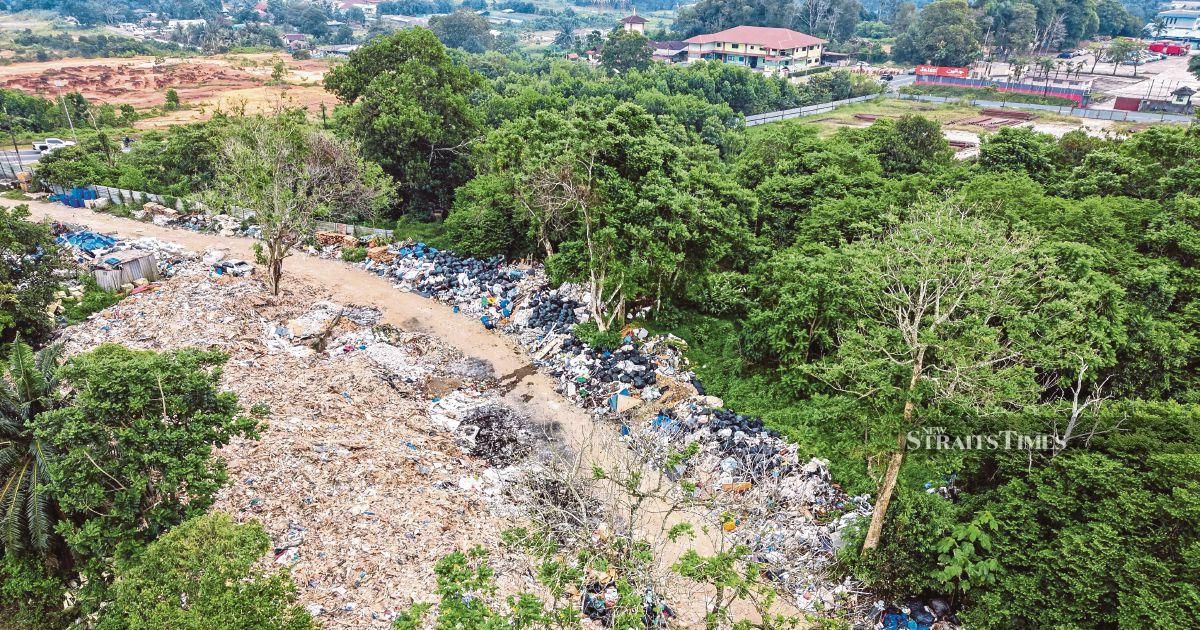
Johor will mobilise a coordinated multi-agency task force to thoroughly examine allegations that construction waste originating from Singapore has been unlawfully deposited across several locations in Pontian district, according to state authorities. The announcement signals mounting concern about cross-border waste management practices and the potential environmental and health implications for communities in the southern border region.
The allegations represent a recurring concern in the Malaysia-Singapore relationship regarding waste disposal and transboundary environmental responsibility. Pontian, situated directly across from Singapore, has become a focal point for monitoring unauthorised waste movements across the causeway. The district's proximity to major Singapore industrial and construction zones makes it particularly vulnerable to such activities, which undermine local waste management frameworks and create potential liability issues for Malaysian authorities.
The formation of a task force comprising representatives from multiple government agencies reflects the complexity of investigating and addressing such violations. Agencies involved typically include the Department of Environment, local municipal authorities, customs officials, and state environmental enforcement bodies. This collaborative approach is necessary because cross-border waste trafficking involves jurisdictional overlaps, customs regulations, environmental compliance laws, and potentially criminal responsibility that require specialised expertise across sectors.
Construction waste, which includes concrete, timber, metal, and other building materials, presents significant environmental challenges when improperly disposed. Uncontrolled dumping sites can leach harmful substances into groundwater, disrupt local ecosystems, and create public health hazards for nearby residents. The concern is particularly acute in Pontian, where agricultural activities and residential communities depend on maintaining environmental integrity. Improper disposal also undermines legitimate waste management operators in Malaysia who invest in proper disposal infrastructure and compliance.
Singapore's land constraints have historically necessitated careful waste management and recycling practices. Construction waste that leaves Singapore's borders raises questions about compliance with both nations' environmental regulations and bilateral agreements. The alleged dumping suggests potential gaps in monitoring or enforcement mechanisms along the causeway, where the volume of daily cross-border movement can overwhelm conventional inspection procedures. This points to a broader regional challenge in managing waste flows across borders in Southeast Asia where geographic proximity and economic disparities create opportunities for illegal disposal.
For Johor, the investigation carries economic and diplomatic dimensions. The state has positioned itself as a modern, sustainably developed region and a preferred destination for investment and tourism. Environmental violations that compromise this image can affect investor confidence and the state's broader development agenda. Additionally, addressing such incidents proactively demonstrates Johor's commitment to environmental stewardship and reinforces Malaysia's authority over its territorial integrity regarding waste management standards.
The task force will likely focus on identifying specific dumping sites, tracing the origins of the waste, establishing the parties responsible, and determining whether organised networks are involved in orchestrating the illegal transfers. Investigations of this nature require forensic analysis of waste composition, tracking documentation if available, and coordinated surveillance at key entry points. The process can be lengthy and technically demanding, particularly if sophisticated smuggling methods have been employed to circumvent detection.
Enforcement actions following investigation could include substantial fines, seizure of equipment, prosecution of operators, and demands for remediation of contaminated sites. Both Malaysia and Singapore have progressively strengthened their environmental laws and penalties for violations. Demonstrating meaningful enforcement serves as a deterrent to potential offenders and signals that both nations take transboundary waste trafficking seriously. However, enforcement alone is insufficient without preventative measures such as improved monitoring technology, information sharing between authorities, and engagement with legitimate waste management companies to report suspicious activities.
The investigation underscores the importance of bilateral cooperation between Malaysia and Singapore on environmental matters. The two nations share waterways, air currents, and land borders where environmental impacts in one jurisdiction directly affect the other. Establishing joint working groups and regular consultations between environmental agencies can help identify and address emerging issues before they escalate into major incidents. Technical assistance and capacity building for Malaysian enforcement personnel also strengthens the ability to detect and prevent such violations.
For Malaysian waste management operators and the construction industry more broadly, the investigation may prompt review of existing practices and supply chain transparency. Companies working in border regions must implement robust documentation systems and verification procedures to ensure that waste processed at their facilities originates from legitimate sources. Industry standards and certification schemes can help distinguish responsible operators from those willing to engage in illicit waste trafficking.
The situation in Pontian represents a microcosm of broader regional waste management challenges as Southeast Asian economies grow and generate increasing volumes of construction and industrial waste. As countries develop more stringent domestic environmental standards, the economic incentive to export waste to jurisdictions with weaker enforcement grows. Regional cooperation frameworks, capacity building for enforcement agencies, and public awareness campaigns about the environmental costs of illegal dumping are essential components of an effective long-term response.
As the task force commences its work, authorities will be expected to maintain transparency regarding findings and enforcement actions taken. Public reporting on investigation outcomes helps maintain community confidence in governmental institutions and demonstrates commitment to accountability. The case will likely influence how Johor and other Malaysian states approach monitoring and enforcement of environmental regulations at border zones, potentially prompting policy adjustments and enhanced resourcing for preventative mechanisms.

