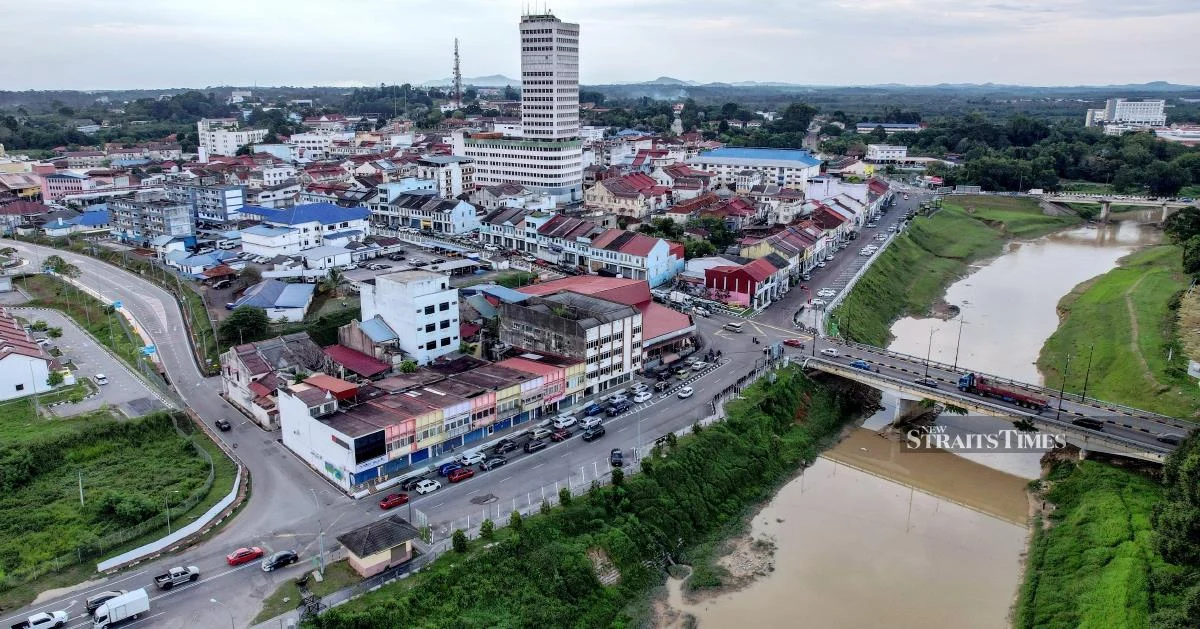
The threat of coordinated digital interference has emerged as a defining challenge for the Johor state election, with Communications Minister Datuk Fahmi Fadzil sounding an alarm over attempts to weaponise fake accounts and social media deception against voters. Speaking in Muar, Fahmi flagged the discovery of fraudulent social media profiles that have used images of legitimate candidates to circulate disinformation, a tactic he characterised as a deliberate effort to undermine the integrity of the electoral process.
The proliferation of fake accounts impersonating political figures represents a troubling escalation in how digital platforms are being exploited during Malaysian electoral contests. By hijacking the visual identity of real candidates, bad actors can masquerade as official representatives and broadcast false claims or inflammatory content that appears to originate from credible sources. This approach is particularly insidious because it weaponises the trust voters place in their candidates' own communications, creating confusion about what constitutes authentic messaging and what is manufactured deception.
Fahmi's intervention underscores a broader anxiety within the government about how social media's speed and reach can amplify falsehoods before fact-checkers or electoral authorities can respond effectively. The problem is not merely technical—it reflects a strategic effort by some actors to exploit the gap between how quickly misinformation spreads and how slowly truth can catch up. During election seasons, when emotions run high and information flows intensify, this asymmetry becomes particularly dangerous, potentially influencing voters who encounter false claims before encountering corrections.
The Malaysian context makes this concern especially acute, given the country's experience with viral hoaxes and the demonstrated vulnerability of voters to sophisticated online manipulation campaigns. Johor, as a state with significant political competition and a large urban population accustomed to social media engagement, presents an attractive target for such operations. The state's historical importance in Malaysian politics means that distorting the narrative there can have ramifications far beyond its borders.
Tackling digital sabotage requires a multifaceted response from authorities, political parties, and citizens themselves. Fahmi's warning to voters to remain vigilant essentially delegates responsibility for verification to the public, implying that individuals must develop their own capacity to distinguish authentic from fraudulent accounts. This places a substantial burden on ordinary Malaysians, many of whom may lack the digital literacy to spot sophisticated fakes, particularly when they are deployed at scale across multiple platforms simultaneously.
The actual mechanisms of digital sabotage have become increasingly refined. Beyond simple account cloning, bad actors can now manipulate images, generate deepfake videos, and exploit algorithmic amplification to ensure their false content reaches maximum audiences. These techniques are not unique to Malaysia or Southeast Asia—they represent global phenomena that have been documented in elections across democracies worldwide. However, the local adaptation of these tactics to Malaysian political contexts, personalities, and controversies creates particular vulnerabilities.
Stakeholders have a responsibility to move beyond warnings and implement stronger structural protections. Social media platforms operating in Malaysia could be compelled to verify the authenticity of political accounts more rigorously, to flag unverified accounts claiming to represent candidates, and to provide transparency about how their algorithms amplify election-related content. The regulatory framework governing digital campaigning remains underdeveloped compared to traditional media, creating a governance gap that opportunists can exploit.
Fahmi's appeal to voter vigilance also carries an implicit critique of the platforms themselves, which have been repeatedly criticised for insufficient oversight of political content in Malaysia and the region. Facebook, TikTok, Instagram, and other services have acknowledged election interference risks but have moved slowly on implementation. Given the commercial incentives aligned against aggressive moderation—engagement metrics often reward controversial content—platforms have limited motivation to invest heavily in prevention unless external pressure mounts.
The broader implication for Malaysian democracy is that the boundary between electoral competition and electoral manipulation is becoming increasingly porous. Candidates and parties are expected to communicate digitally with voters, making it harder to distinguish between legitimate campaign messaging and coordinated disinformation. This blurring poses a fundamental challenge to informed voting, as citizens cannot always rely on surface indicators to determine what they are encountering online.
Moving forward, Malaysia would benefit from a comprehensive approach combining immediate technical countermeasures, stronger platform accountability, improved voter education on digital literacy, and perhaps legislation establishing clearer rules for political digital campaigns. Other countries have begun developing election-specific digital guidelines, and Malaysia could learn from their experience. Without such measures, the reliance on warnings alone will prove inadequate as sabotage tactics become more sophisticated and widespread.
The Johor election serves as a test case for how well Malaysian institutions can protect electoral integrity in the digital age. The early discovery of fake accounts, while troubling, also presents an opportunity to demonstrate that authorities are capable of identifying and countering such threats. Whether Malaysia can translate this vigilance into sustained, systematic protection of digital electoral space will have significant consequences for how secure future elections become.

