Kelantan's state government has intensified its crackdown on illegal land use and unauthorised mining operations, opening 63 investigation papers throughout the first half of 2025 as part of a broader enforcement strategy to combat the persistent problem. The scale of the operation underscores the regional significance of these activities, which remain a considerable challenge for state authorities seeking to protect natural resources and maintain lawful land administration across the state.
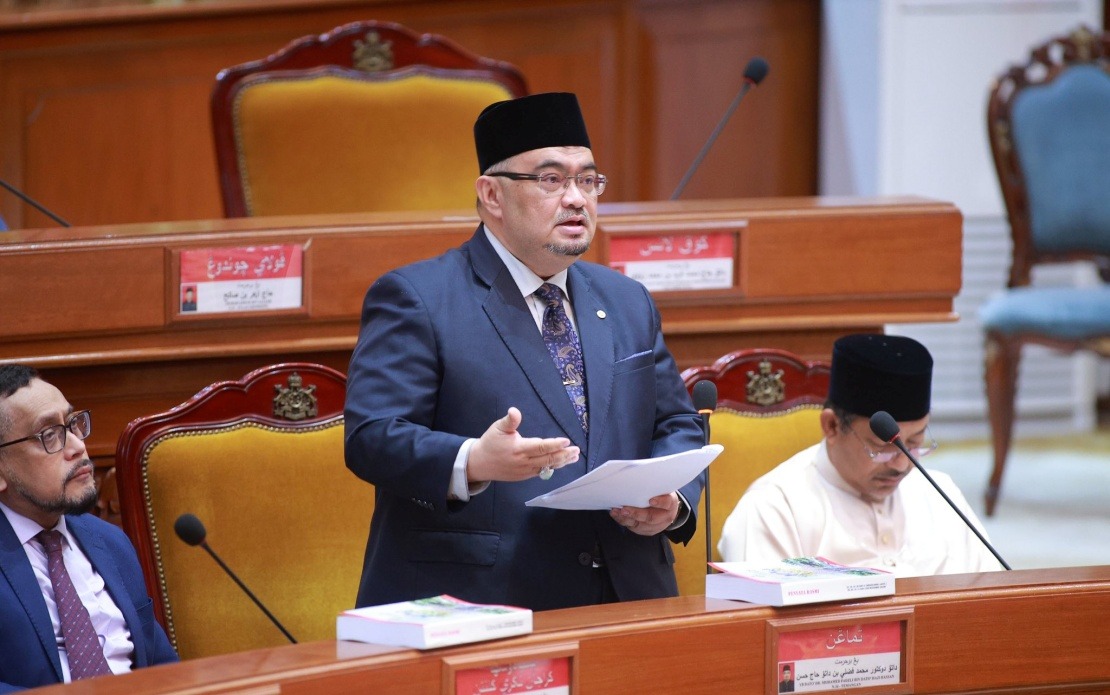
Deputy Menteri Besar Datuk Dr Mohamed Fadzli Hassan disclosed the enforcement figures during a recent sitting of the Kelantan State Legislative Assembly, responding to queries about the government's operational effectiveness. The investigation papers emerged from 77 separate enforcement operations conducted across identified problem areas, demonstrating a sustained commitment to field-based action rather than passive monitoring. These operations concentrated on the districts of Gua Musang, Kuala Krai, Jeli and Tanah Merah, regions where such activities have reportedly clustered.
The material impact of the enforcement effort extends beyond mere case filings. Authorities seized a total of 65 excavators and related heavy equipment during these operations, with an estimated combined value of RM15.8 million. The systematic confiscation of machinery represents a deliberate strategy to undermine the operational capacity of those engaged in illegal extraction and land clearing activities, creating logistical obstacles that raise the cost of continued non-compliance. Such seizures typically receive high-level attention because they demonstrate tangible disruption of illegal supply chains.
The enforcement papers submitted to the Prosecution Unit of the Kelantan Land and Mines Office mark a critical procedural step toward formal prosecution. Once forwarded for review and approval, these cases progress toward court proceedings, where penalties and sanctions can be imposed. The involvement of the dedicated prosecution unit reflects institutional recognition that these matters require specialised legal handling distinct from general crime prosecution, allowing authorities to apply land law and mining regulations with appropriate technical expertise.
When questioned about the possibility of organised networks behind these activities, Deputy Menteri Besar Mohamed Fadzli acknowledged a reality that enforcement officials have long recognised: individual operators often work within broader chains involving middlemen, organisers and even those providing protection. He committed to conducting investigations aimed at identifying and pursuing higher-level figures within these networks, recognising that dismantling the supply chain requires moving beyond apprehending frontline operators using the equipment. The government's willingness to pursue such investigations signals recognition that surface-level enforcement alone proves insufficient without addressing structural enablers.
The state government has also flagged discussions with relevant authorities regarding penalty reform, particularly concerning repeat offences. This procedural evolution addresses a fundamental enforcement challenge: existing penalties may not sufficiently deter recidivism among operators who view enforcement costs as merely a business expense. Strengthening penalties, especially graduated increases for repeat violations, creates clearer disincentives and sends market signals that the profitability of illegal operations cannot withstand escalating legal consequences.
The concentration of illegal mining and encroachment in specific districts suggests both geographic vulnerability and possible network concentration. Gua Musang and Kuala Krai, both heavily forested regions with significant mineral deposits, present both opportunity and jurisdictional complexity. Tanah Merah and Jeli add to a pattern affecting a substantial portion of the state's territory, indicating the problem's systemic rather than isolated nature. Understanding why these particular areas experience disproportionate activity could yield insights for preventive policy.
For Malaysian readers and the broader Southeast Asian context, Kelantan's enforcement efforts reflect a regional pattern of governments attempting to balance economic development pressure with environmental and resource protection. Illegal mining and land encroachment generate immediate income for often-impoverished communities and substantial profits for organisers, creating powerful incentives that legal frameworks must overcome. The Malaysian case demonstrates both the institutional capacity to mount coordinated enforcement operations and the ongoing difficulty in achieving sustained compliance.
The implications extend beyond Kelantan's borders. Other Malaysian states face similar pressures, and the strategies deployed here—combining field operations, equipment seizure, prosecutorial review and penalty enhancement—represent a tested model potentially applicable elsewhere. The state's acknowledgement that investigations must reach organisational levels rather than remaining at operator level aligns with international best practices in combating resource extraction crime, where supply chain disruption proves more effective than individual case processing.
Moving forward, the critical variable will be whether the 63 investigation papers progress efficiently through the prosecution system and whether initial convictions establish precedents that elevate enforcement credibility. Resource extraction violations frequently experience prosecution delays, making case completion rates an important measure of institutional effectiveness. The government's commitment to strengthened penalties for repeat offenders suggests recognition that the current case volume, while substantial, may represent only partial control of the underlying activity. Sustained enforcement will require continued resource commitment and inter-agency coordination across state and federal agencies with overlapping jurisdictions.

