The Malaysia Civil Defence Force (APM) has significantly bolstered water safety efforts across Kelantan through the strategic placement of four watchtowers at high-risk beach locations, a move designed to curb the persistent problem of drowning and near-drowning incidents in the state. The watchtowers are positioned at Pantai Geting in Tumpat, Pantai Cahaya Bulan in Kota Bharu, Pantai Irama in Bachok, and Pantai Bisikan Bayu in Pasir Puteh, each staffed by dedicated beach rescue teams who maintain continuous surveillance, particularly during peak holiday seasons and the hazardous Northeast Monsoon period when dangerous currents and high waves pose acute risks to swimmers.
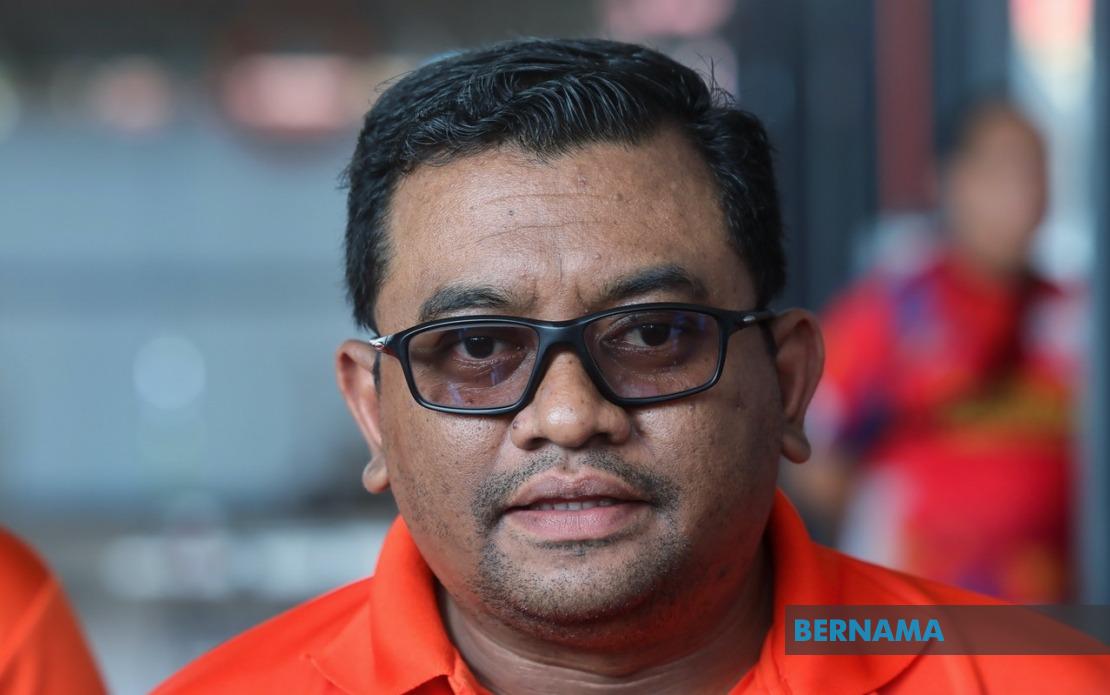
According to Lt Col (PA) Mohd Farid Ishak, the acting director of Kelantan APM, the strategic positioning of these monitoring stations at high-traffic recreational areas has proven instrumental in detecting and responding to water emergencies more rapidly and effectively than would otherwise be possible. The presence of trained personnel at these vantage points allows the force to identify swimmers in distress before situations deteriorate into life-threatening scenarios. Kelantan has witnessed a troubling pattern of water-related fatalities over recent years, and authorities view these infrastructure improvements as a critical intervention to reverse that trajectory.
A crucial aspect of the APM's expanded approach involves public education alongside physical safety measures. The force recently launched the APM with Media 2026 programme, which brought together local media practitioners from outlets including Bernama, TV3, Berita Harian and China Press to provide practical exposure to water rescue techniques and specialised equipment such as scuba gear. This initiative reflects a broader strategy to enhance community awareness and preparedness, recognising that media engagement can amplify safety messaging across the population more effectively than official announcements alone.
The urgency of immediate intervention cannot be overstated in water emergencies. Mohd Farid emphasised that drowning victims can become submerged and lose consciousness within five minutes if rescue assistance does not materialise swiftly. This narrow window underscores why bystander response and early mobilisation of rescue teams are equally vital to survival outcomes. The force discourages reliance on emergency services as the sole protective measure, instead promoting a community-based safety culture where ordinary people understand their role in life-saving interventions.
Rescue personnel have identified critical safety practices that dramatically improve outcomes without placing untrained individuals at unnecessary risk. Rather than encouraging people to plunge into water to assist struggling swimmers—a reflexive response that frequently converts single-drowning incidents into multiple fatalities—authorities advocate the use of readily available objects such as sticks, poles, ropes, or buoyant materials. These tools enable bystanders to extend assistance from shore or stable platforms, maintaining personal safety while helping victims stay afloat until professional rescue teams arrive on scene.
The APM's operational tempo reflects the scale of water hazards throughout Kelantan. Emergency calls related to beach and river incidents arrive at the force almost monthly, with particular concentration at rapids in Gua Musang and Kuala Krai where currents present acute dangers to recreational visitors. Each district's popular visitor destinations have been systematically assessed and categorised as drowning hotspots, with enhanced monitoring protocols implemented at these locations. This data-driven approach ensures resources concentrate where they are most needed.
Seasonal hazards warrant specific precautions, particularly during the Northeast Monsoon when oceanic conditions become distinctly perilous. The force has issued explicit warnings against swimming or wading in coastal and river waters during this period, when waves and currents can rapidly overwhelm even experienced swimmers. Beyond water-specific dangers, the monsoon season brings electrical hazards that claim lives through lightning strikes. Outdoor recreationalists face risks from sudden electrical storms and are advised to immediately abandon exposed areas and seek shelter in buildings or vehicles when thunder and lightning threaten.
The region recently experienced a tragic demonstration of lightning's lethal potential when a Thai football club player died and a Malaysian companion sustained injuries during a Golok FA Cup match at Santiphap Stadium in Sungai Golok, Narathiwat, Thailand. The incident occurred during heavy rainfall at approximately 5 pm local time when electrical discharge struck the centre of the playing field, illustrating how swiftly weather conditions can transform recreational activities into catastrophic events. Such incidents underscore the importance of understanding environmental threats and maintaining situational awareness during outdoor pursuits.
The APM's expanded safety infrastructure and public engagement initiatives reflect growing recognition that drowning prevention requires multi-layered strategies combining physical infrastructure, trained personnel, community education, and personal preparedness. While watchtowers and rescue teams provide essential institutional capacity, they cannot function effectively without public understanding of water hazards and willingness to implement safety protocols. The involvement of media practitioners in hands-on training programmes helps bridge the gap between official guidance and public comprehension, enabling journalists to communicate technical rescue concepts and hazard awareness to diverse audiences across Kelantan and beyond.
Looking forward, the APM intends to sustain and potentially expand these safety measures as part of broader emergency preparedness planning. The force recognises that water safety is not merely a seasonal concern addressed during holidays and monsoon peaks, but an ongoing public health priority requiring consistent investment, training maintenance, and community engagement. For Malaysian beach and river users throughout the northeast coast, these enhanced protections represent a tangible commitment to reducing the devastating toll of drowning incidents that have long plagued coastal recreation areas.

