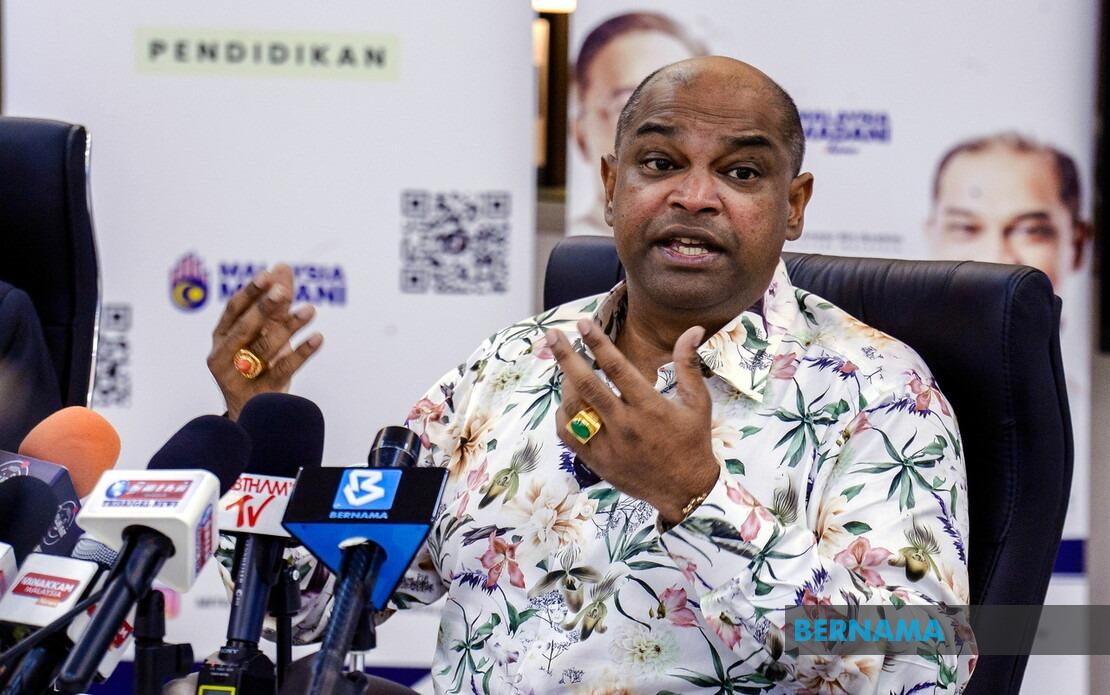
The Ministry of Human Resources (KESUMA) is building momentum toward a significant policy shift that could reshape how Malaysia funds vocational education, with plans to seek Cabinet approval for converting the Skills Development Fund Corporation (PTPK) loan scheme into a grant-based system. Minister Datuk Seri R Ramanan revealed that the ministry is currently gathering feedback from other government agencies on the proposal, with the intention of presenting a refined version to Cabinet for deliberation in the coming weeks.
The financial stakes are substantial. PTPK has access to RM100 million in allocated funds, though current arrangements mandate that these be disbursed as loans rather than outright grants. Ramanan acknowledged that regardless of whether the money flows as loans or grants, securing Cabinet-level approval remains mandatory, underscoring the structural and budgetary implications of such a conversion. The minister explained that while an initial proposal has been drafted, additional refinements and supporting documentation are required before the matter can proceed to formal Cabinet consideration, suggesting that the ministry is taking a cautious, well-documented approach to what could be a contentious budgetary reallocation.
The broader rationale driving this initiative centres on alleviating post-graduation debt for students enrolled in Technical and Vocational Education and Training (TVET) programmes. By converting loans into grants, the government would effectively eliminate repayment obligations for young workers entering the skilled trades sector, addressing a documented concern about debt burdens discouraging students from pursuing vocational pathways. This shift aligns with Malaysia's broader effort to boost TVET enrolment and professional development among its youth population, particularly as the country grapples with growing skills shortages in critical sectors.
The timing of this proposal reflects government priorities under the MADANI framework, which emphasises building a labour market that is not merely job-rich but supportive of worker advancement and resilience. Ramanan's comments at the MYFutureJobs Lindung Kerjaya Carnival in Melaka underscored how this initiative fits into that vision, positioning grants as a tool to create genuine equality of opportunity within Malaysia's education and employment ecosystem. Rather than burdening vocational graduates with debt immediately upon entering the workforce, grants would allow them to invest earnings into career development, further qualifications, or economic participation.
Parallel to this financing restructure, KESUMA has launched complementary initiatives designed to strengthen awareness and engagement around vocational pathways and employment support services. The ministry, working through the Social Security Organisation (Perkeso), has established the MYFutureJobs Ambassador programme, recruiting students from higher education institutions (IPT) to serve as peer advocates on their campuses. These ambassadors function as trusted conduits of information, communicating job opportunities, career trajectories, and MYFutureJobs services to fellow students in accessible, informal settings that traditional ministry communications often struggle to reach. This peer-to-peer approach recognises that young people frequently trust advice from age-matched cohorts more than official channels.
The introduction of Oyen, the official MYFutureJobs mascot, represents a deliberate attempt to humanise and destigmatise vocational training among youth, particularly in a Malaysian context where secondary education pathways have historically carried prestige hierarchies favouring academic over technical routes. By creating a recognisable, approachable brand identity around the MYFutureJobs initiative, the government is attempting to shift cultural perceptions and make vocational support systems feel contemporary and relevant to digital-native youth populations.
The career carnival itself, jointly conducted by Perkeso and KESUMA, served as a practical expression of the MADANI government's commitment to constructing a labour market characterised by dynamism, inclusivity, and institutional support for worker development. Rather than relegating employment connection to market forces alone, the government is actively intervening to ensure Malaysians possess pathways to meaningful work and sustained career progression. This reflects a philosophical stance that views employment as a public good requiring government facilitation and that worker advancement strengthens both individual wellbeing and national competitiveness.
For Malaysian vocational students and graduates, the potential conversion of PTPK financing from loans to grants represents a tangible reduction in post-education financial obligations at a critical juncture in their working lives. Graduates entering skilled trades would retain greater cash flow during their early career years, enabling them to pursue additional certifications, invest in tools and equipment, or transition between employers and specialisations without debt constraints. This flexibility matters especially in fast-moving technical sectors where continuous upskilling is increasingly mandatory.
Regionally, this policy direction signals Malaysia's intention to compete for vocational talent and positioning by making technical education more accessible and less financially burdensome than neighbouring alternatives. Singapore and Vietnam have long recognised that vocational pathways are essential infrastructure, but if Malaysia can offer debt-free technical training coupled with strong job placement support, it could attract regional talent and retain more of its own skilled workforce. The MADANI framework's emphasis on inclusive growth implicitly recognises that vocational pathways serve populations—lower-income students, rural youth, non-traditional learners—whom purely market-driven systems often exclude.
The feedback-gathering phase that Ramanan described suggests the ministry understands that such a significant budgetary shift requires buy-in from finance, education, and social welfare agencies before Cabinet presentation. Potential concerns might include questions about loan repayment capacity, alternate uses for PTPK funds, sustainability of the grant model across economic cycles, and impacts on TVET provider funding. By engaging peer ministries early, KESUMA is building a coalition of support and addressing objections before formal Cabinet deliberation, a pragmatic approach that acknowledges Malaysian bureaucratic realities.
The MYFutureJobs initiative, encompassing ambassadors, mascots, and career carnivals, functions as the public-facing complement to the financing restructure. While converting PTPK loans to grants addresses one barrier to TVET participation—financial burden—the ambassador and carnival programmes address an equally significant barrier: information gaps and perception gaps about vocational careers among students and parents. Together, these interventions attempt a comprehensive reengineering of Malaysia's vocational education landscape, removing both financial and informational obstacles to meaningful technical training and employment.

