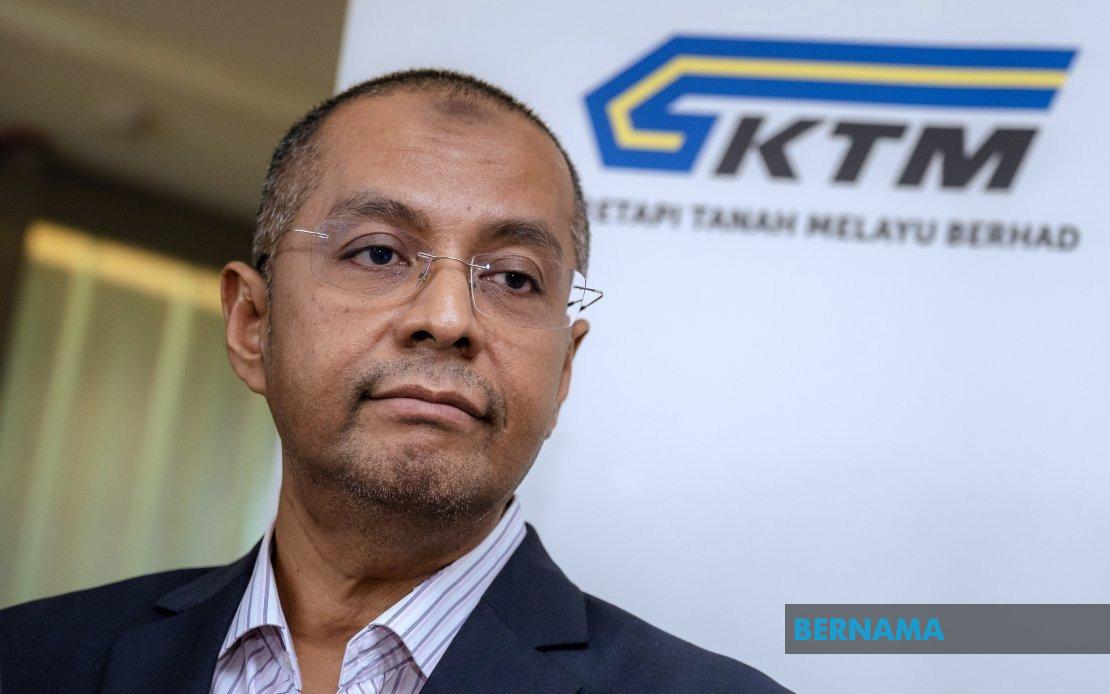
Keretapi Tanah Melayu Bhd (KTMB) has set its sights on substantially raising on-time performance as an immediate priority to restore public trust in Malaysia's rail network. Chief executive officer Datuk Azlan Shah Al Bakri stressed that punctuality remains central to the operator's strategic direction, underlining a recognition that commuter confidence directly correlates with service reliability. The announcement comes at a critical juncture for Malaysia's rail sector, where passenger perception has been shaped by years of operational inconsistencies and scheduling challenges that have encouraged commuters to seek alternative transport modes.
What distinguishes KTMB's current diagnostic approach is a departure from traditional infrastructure-focused explanations of service delays. While asset conditions have historically been cited as the primary cause of punctuality problems, Azlan Shah identified two emerging phenomena that now pose equally significant threats to reliability: cable theft and third-party interference with railway infrastructure. These external factors, operating alongside environmental challenges such as flooding and vegetation obstruction, create a complex operational landscape that extends beyond KTMB's direct control yet demands proactive management intervention.
The prevalence of cable theft represents a particularly acute vulnerability in Malaysia's rail infrastructure. Copper and other metal components attract criminal activity, with thieves exploiting railway corridors that traverse both urban and remote areas where security monitoring remains insufficient. Such incidents do not merely cause temporary service suspensions; they can trigger cascading delays throughout daily schedules and undermine the network's predictability. Third-party interference—encompassing unauthorized construction, utility installations, and encroachment near railway tracks—compounds these challenges by introducing unpredictable operational disruptions that require rapid response and often result in unplanned service modifications.
To address these multifaceted challenges, KTMB is implementing a three-pronged preventive strategy. Enhanced asset monitoring systems will provide real-time visibility of railway infrastructure, enabling faster detection of anomalies and theft attempts. Intensified collaboration with relevant authorities, including police and municipal bodies, aims to create a coordinated security framework that deters criminal activity and enforces compliance with railway protection regulations. Simultaneously, stricter oversight of activities conducted in proximity to railway tracks will minimize disruptions from third-party construction and maintenance works.
Beyond these defensive measures, KTMB remains committed to accelerating asset renewal programmes that will systematically upgrade aging infrastructure contributing to mechanical delays and service interruptions. The operator is also bolstering operational preparedness through enhanced staff training and contingency protocols, ensuring that when disruptions occur, response times are minimized and alternative service arrangements can be implemented swiftly. Strengthened stakeholder collaboration—involving transport agencies, municipal authorities, and security organizations—creates a more cohesive ecosystem supporting reliable rail operations.
Azlan Shah articulated a broader vision encompassing passenger experience enhancement beyond punctuality. Increasing ridership and service quality form complementary objectives, reflecting recognition that reliability alone is insufficient; the travelling public demands a comprehensive journey experience that justifies choosing rail over private vehicles. This positioning strategy acknowledges competitive pressures from ride-sharing platforms and personal transport, necessitating that KTMB become demonstrably the preferred choice for discerning commuters.
A significant component of this value-added strategy involves elevating food and beverage offerings on the Electric Train Service (ETS). The partnership with Santan Restaurant has introduced diverse menu options that have generated positive passenger responses, indicating consumer willingness to engage with premium service enhancements. This collaboration demonstrates that strategic partnerships with established food operators can efficiently expand offerings without requiring KTMB to develop in-house expertise, a model the operator now seeks to replicate across multiple categories.
Following Santan's success, KTMB has engaged Kluang Coffee to provide beverages and is implementing a phased approach with Oriental Coffee. The first phase focuses on introducing Oriental Coffee's beverage selections, with subsequent discussions planned to incorporate the company's food products. These sequential partnerships allow KTMB to test market reception, optimize integration with existing service operations, and build a portfolio of recognized brands that enhance journey perception among passengers. The operator's explicit intention to engage additional well-known local food enterprises signals a systematic approach to brand curation and partnership development.
Parallel to revenue-enhancing passenger amenities, KTMB is pursuing aggressive growth in non-fare income streams to strengthen financial sustainability. Currently representing less than ten percent of total revenue, KTMB targets expanding non-fare income to exceed twenty percent, representing a fundamental reorientation of the operator's business model. This diversification strategy reflects recognition that traditional fare-based revenue alone cannot sustain operations and investment in aging infrastructure while maintaining competitive service standards.
The operator has identified engineering services, maintenance repair and overhaul (MRO) operations, facilities management, and specialized overhaul work as growth engines for non-fare revenue generation. These technical services leverage KTMB's existing engineering expertise and infrastructure assets, enabling the organization to commercialize capabilities previously reserved for internal operations. By positioning itself as a service provider to third parties—including other transport operators and industrial enterprises—KTMB transforms fixed costs into profit centres, enhancing overall financial efficiency.
This dual-track strategy of operationally improving core services while simultaneously restructuring financial foundations reflects sophisticated organizational thinking. KTMB recognizes that passenger confidence recovery requires demonstrable service improvements in punctuality and quality, achieved through measurable infrastructure investments and collaborative security initiatives. Simultaneously, enhancing financial sustainability through non-fare revenue diversification provides the capital foundation necessary for sustained infrastructure renewal and service enhancement, creating a virtuous cycle of improvement. For Malaysian commuters and the broader transport ecosystem, these initiatives suggest KTMB is transitioning from a purely service-delivery model toward a more resilient and commercially astute organization capable of competing effectively with alternative transport modes while delivering the public transportation backbone Malaysia's urban centres require.

