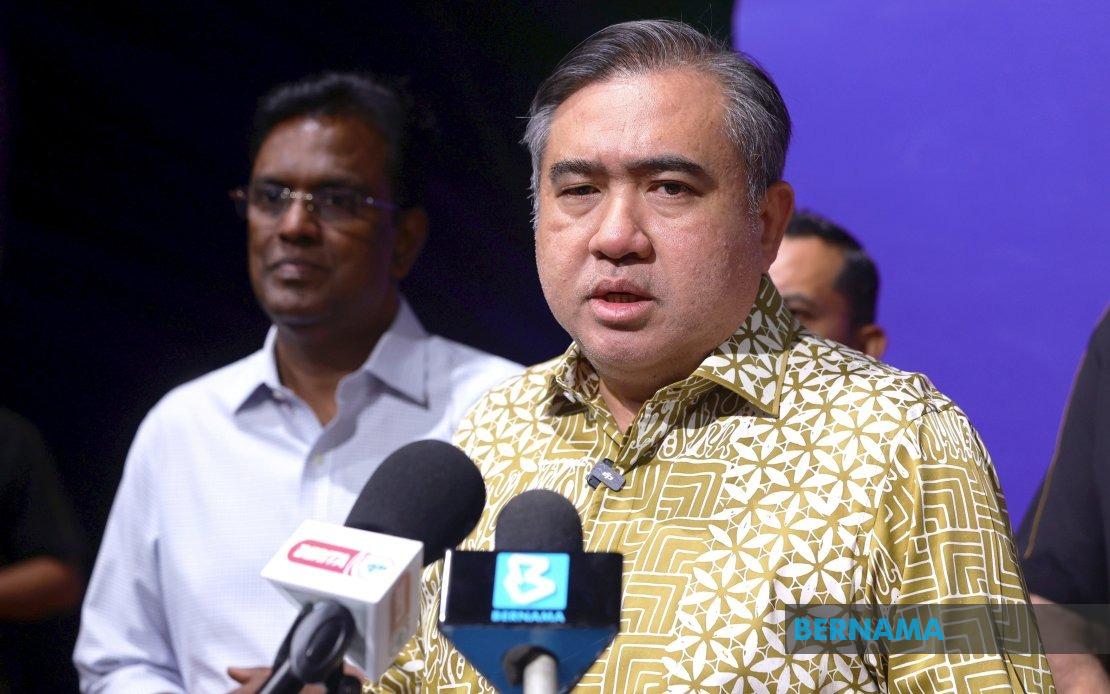
Anthony Loke, the sitting assemblyman for Chennah and secretary-general of the Democratic Action Party, has declared his openness to facing opposition candidates in the forthcoming 16th Negeri Sembilan state election. Speaking in Seremban after launching the MyLesen B2 programme at the state level, Loke rejected any suggestion that potential rivals should be discouraged from seeking the seat, instead framing electoral competition as a natural expression of democratic governance. His comments come amid speculation that businessman Albert Tei has been approached by a political party and may throw his hat into the ring for the constituency.
Loke's measured response reflects the DAP's broader positioning in Negeri Sembilan, where the party has held Chennah through successive electoral cycles. Rather than adopting a defensive posture, the assemblyman chose to emphasize that Malaysia's democratic framework permits any eligible citizen to pursue elected office. This stance serves multiple political purposes: it projects confidence in his own standing among voters, demonstrates the party's commitment to democratic norms, and subtly elevates the threshold that any challenger must overcome. By welcoming competition, Loke implicitly suggests that his record and constituency work will speak for themselves during the campaign period.
However, beneath the welcoming rhetoric lies a practical warning. Loke pointedly reminded prospective candidates of the stringent eligibility criteria that the Election Commission enforces, particularly the requirement that candidates ensure their registered addresses correspond with the constituency they wish to contest. This technical caveat carries real weight: failure to meet such requirements can result in nomination rejection, a development that could derail any last-minute candidacy announcement. For businessman Tei, the message is clear—any decision to run must be accompanied by meticulous compliance with electoral regulations, a process that demands advance preparation and legal diligence.
The broader context of Loke's comments reflects confidence in his track record across three terms representing Chennah. Rather than engaging in speculation about potential opponents, the assemblyman chose to emphasize his commitment to fulfilling the mandate that voters have repeatedly conferred upon him. This rhetorical pivot from defence to offence—focusing on accomplishments rather than adversaries—represents a calculated political strategy. By stressing his constituency responsibilities and the trust voters have placed in him, Loke positions himself as the substantive choice, implicitly questioning whether a newcomer can match his institutional knowledge and established relationships with constituents.
The Negeri Sembilan state election has been set for August 1, with nomination proceedings scheduled for July 18 and early voting opening on July 28. This compressed timeline gives potential candidates, including Tei if he chooses to proceed, limited opportunity to organize campaigns and build visibility. For Loke and the DAP, the schedule works to their advantage, as the incumbent benefits from existing name recognition, established campaign infrastructure, and media access that challengers must laboriously construct from scratch. The tight calendar means that any decision by Tei to contest must crystallize quickly, as delays could render a campaign logistically unfeasible.
The Chennah seat carries particular significance within Negeri Sembilan's political landscape. As a DAP stronghold and home to the party's national secretary-general, the constituency serves as a platform for wider political messaging. Loke's elevation to the party's top administrative position has enhanced the seat's prominence, making any contest there a closely watched barometer of DAP strength in the state. A strong performance would reinforce the party's claim to expanded influence in state politics, while a narrowed margin or unexpected loss would trigger broader questions about the party's trajectory in Negeri Sembilan and beyond.
The mention of Albert Tei's potential candidacy reflects the competitive realignment occurring across Malaysian state politics. Businesspeople increasingly see electoral office as an extension of their commercial and social influence, and political parties actively court such figures, hoping that their financial resources and business networks can translate into campaign advantages. Yet the ground realities of constituency politics often differ markedly from business environments. Tei would enter Chennah as an outsider without Loke's years of embedded relationships with community leaders, civil servants, and voter networks. Building such connections from zero requires not just money but sustained presence and demonstrated commitment to local grievances—factors that money alone cannot purchase.
Loke's careful framing also speaks to internal DAP calculations. By signalling openness to competition rather than closing ranks defensively, the party demonstrates confidence and reinforces its democratic credentials during a period when it seeks to expand influence beyond traditional urban strongholds. Should Tei ultimately decide against contesting—a likely outcome given the administrative hurdles and resource demands—Loke's welcoming posture costs nothing while generating goodwill. Should Tei proceed, the DAP enters the contest from a position of institutional and organizational strength, with the incumbency advantage and the party machinery that comes with it.
The underlying dynamics of the Chennah seat contest mirror broader patterns in Malaysian politics, where state elections increasingly feature contests between entrenched incumbents with deep community roots and external challengers offering promises of fresh approaches and business-driven development agendas. The outcome often hinges less on ideology than on constituent perceptions of responsiveness and tangible delivery of services and development projects. Loke's emphasis on his constituency work and the ongoing mandate from voters signals that he intends to contest on this terrain of performance and record, the ground where incumbents typically maintain their greatest advantages.

