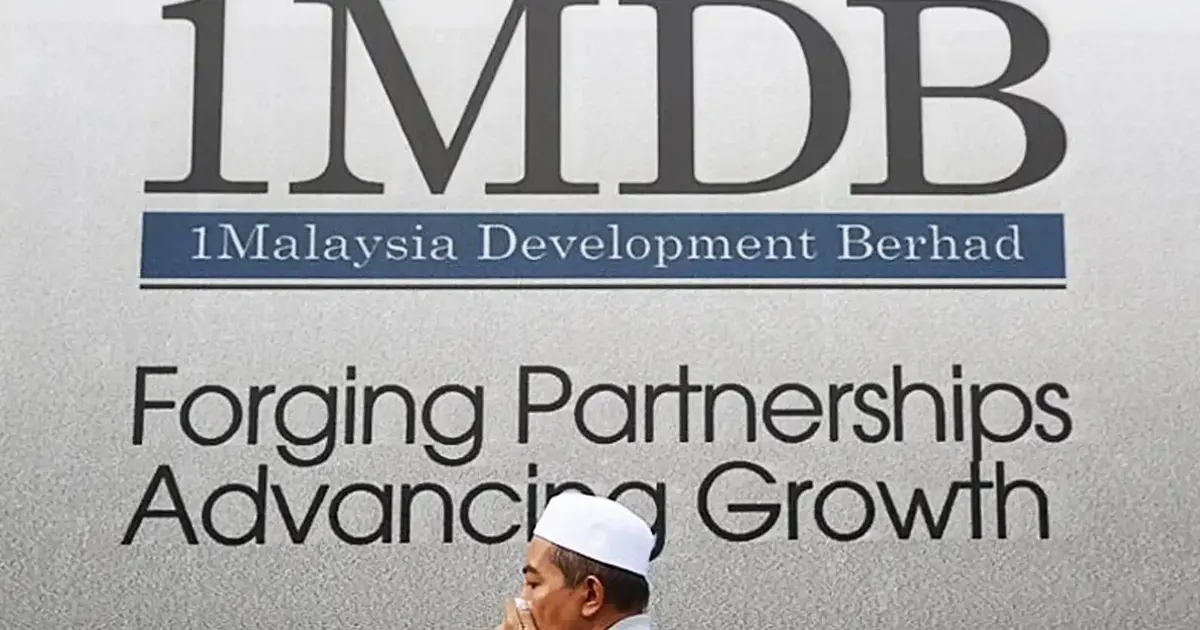
Malaysia's Malaysian Anti-Corruption Commission (MACC) has opened a formal investigation into a portfolio of overseas luxury properties valued at RM59 million that investigators believe may be connected to the sprawling 1MDB financial scandal. The decision to examine these assets represents a fresh phase in the long-running effort to recover funds and identify corrupt actors associated with the former sovereign wealth fund that became the centrepiece of one of the world's largest financial frauds. MACC chief Abd Halim Aman disclosed that the agency is casting a wide investigative net, examining allegations spanning corruption, money laundering, and the broader asset recovery process that continues to occupy Malaysian authorities.
The RM59 million property portfolio marks a significant addition to the known assets that investigators have targeted in connection with 1MDB, which during its operational years channelled billions of ringgit through complex offshore structures and shell companies. The luxury properties under investigation are understood to be situated outside Malaysia, expanding the geographical scope of authorities' ongoing efforts to trace and retrieve misappropriated funds. Investigators are working to establish the exact ownership chains, beneficial ownership structures, and the mechanisms through which these properties may have been acquired, purchased, or held using diverted 1MDB monies or proceeds derived from the scheme.
The pursuit of 1MDB-connected assets has become increasingly sophisticated over the years, as Malaysian authorities have collaborated with international partners including law enforcement agencies in the United States, Singapore, and Switzerland. These partnerships have proven essential given the deliberately obfuscated nature of the 1MDB fraud, which deliberately routed funds through multiple jurisdictions and created Byzantine corporate structures to obscure the true origin and destination of stolen money. The property investigation signals that Malaysian authorities continue to uncover previously unknown asset holdings and are committed to methodically working through the complex web of transactions that characterised the fraud.
Since the scandal first erupted in 2015 and subsequent investigations intensified, Malaysia has recovered substantial sums and seized various assets, though significant portions of the estimated billions in misappropriated funds remain unlocated. The identification of these overseas properties suggests that investigators are gradually piecing together a more complete picture of how stolen funds were deployed to purchase tangible assets, a common method employed by white-collar criminals seeking to convert liquid assets into holdings that appear more legitimate and harder to trace. By focusing on real estate acquisitions, the MACC is targeting what may represent the final layer of the money laundering process, where proceeds are integrated into the formal economy through high-value property purchases.
The investigation's focus on multiple violation categories demonstrates the sophisticated manner in which the original 1MDB perpetrators orchestrated their scheme. Corruption charges would address how officials diverted public funds into private hands; money laundering allegations target the subsequent concealment and integration of proceeds; while asset recovery proceedings represent the legal mechanisms available to the state to reclaim stolen property or its equivalent value. This multi-pronged approach reflects international best practices in combating large-scale financial crimes and maximises the likelihood that perpetrators face meaningful consequences across different legal domains.
For Malaysian policymakers and citizens, the continuation of 1MDB investigations carries profound implications. The scandal devastated Malaysia's international reputation and contributed to substantial capital flight and economic uncertainty during its immediate aftermath. Sustained investigative efforts, including the examination of this latest cache of properties, underscore official commitment to accountability and may gradually help restore confidence in Malaysian institutions. Additionally, each recovered asset potentially represents funds that could eventually be returned to the Malaysian government and invested in public welfare and development initiatives.
The discovery of additional 1MDB-connected assets also illustrates how perpetrators of mega-fraud schemes attempt to preserve stolen wealth despite international scrutiny. By holding properties in overseas locations, often through layered corporate entities and trusts, accused individuals sought to maintain access to their illicit gains while remaining beyond the immediate reach of Malaysian authorities. The MACC's willingness to pursue these holdings across borders, working through international legal mechanisms, demonstrates a maturing institutional capacity to address transnational financial crime.
From a regional perspective, the ongoing 1MDB investigations serve as an important case study for other Southeast Asian nations grappling with corruption and illicit financial flows. The scandal highlighted how corruption at the highest levels of government could metastasize into a massive international fraud affecting institutions, financial systems, and citizens across multiple countries. Malaysia's persistent investigative efforts, while not without setbacks and complexities, provide a model of sustained commitment to accountability despite the substantial political and practical challenges involved.
The RM59 million property investigation also underscores the evolving nature of asset recovery in the digital age. Investigators increasingly must trace not merely physical assets but complex chains of beneficial ownership, understand cryptocurrencies and digital transactions, and navigate the legal frameworks of multiple jurisdictions simultaneously. The fact that authorities have identified and are now investigating these specific properties demonstrates that Malaysian anti-corruption institutions have developed sophisticated investigative capabilities and international intelligence-sharing relationships necessary to locate and pursue hidden assets.
Looking forward, the success of this investigation will likely depend on international cooperation and the willingness of jurisdictions where these properties are located to provide legal assistance and facilitate asset repatriation. Many countries maintain strict privacy laws and complex property registration systems that can impede investigations, making international diplomatic engagement and formal mutual legal assistance channels essential. The MACC's progress on this front will significantly influence how much of the 1MDB-connected wealth can ultimately be recovered for Malaysia.

