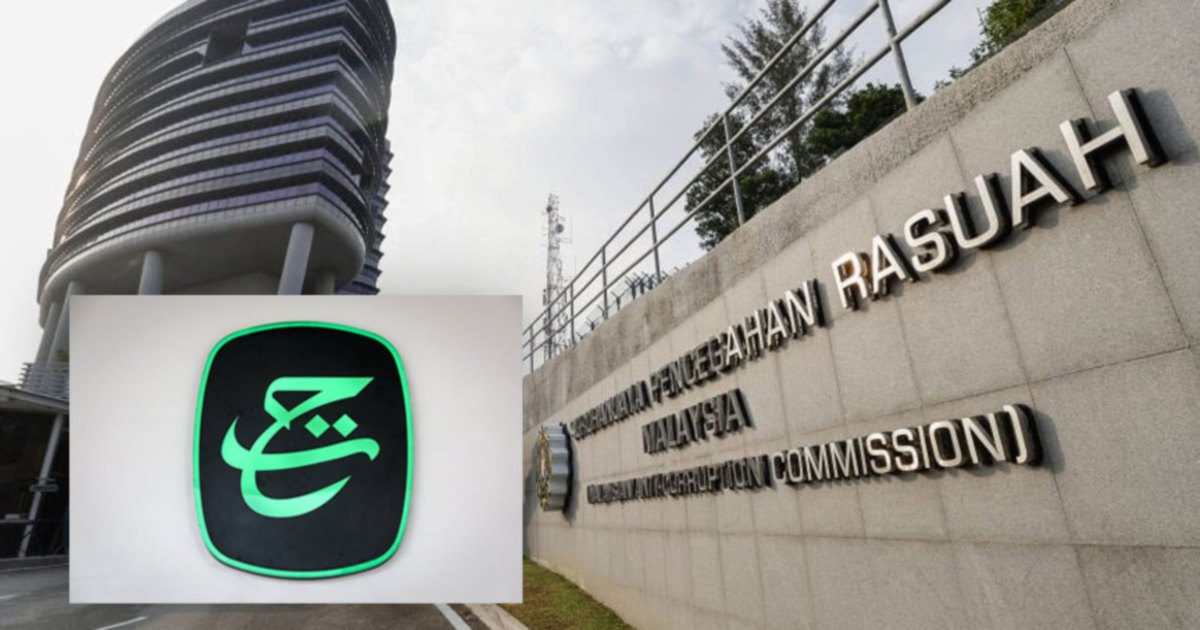
The Malaysian Anti-Corruption Commission has identified a former chief executive officer of Tabung Haji as a person of interest in its ongoing investigation, signalling an escalation in scrutiny directed at the country's Islamic pilgrimage fund's senior leadership. The move follows findings documented in a comprehensive Royal Commission of Inquiry that examined governance lapses and financial management practices at the state-owned institution, which manages savings and investment funds for Malaysian Muslims preparing for or planning the hajj.
Tabung Haji, an institution with deep roots in Malaysian society since its establishment in 1963, has faced mounting concerns over the past few years regarding its investment decisions and administrative oversight. The fund manages billions in assets belonging to millions of Malaysian contributors, making governance standards and regulatory compliance matters of significant public interest. Questions surrounding the stewardship of these resources have intensified as various authorities have sought to understand how substantial losses and missteps occurred within an institution responsible for funds considered sacred by the Muslim community.
The initiation of formal inquiry procedures by Malaysia's premier anti-corruption agency underscores the seriousness with which authorities are treating allegations that may have emerged from the Royal Commission's investigation. The RCI mechanism, typically reserved for matters of considerable national concern, suggests that the inquiry uncovered findings substantial enough to warrant further criminal investigation. By directing attention toward former executive leadership, the MACC appears focused on determining whether individual decision-makers bore responsibility for institutional failures.
For Malaysian readers, the unfolding inquiry carries particular resonance given that Tabung Haji operates within the Islamic finance ecosystem and maintains a quasi-governmental status. The institution's difficulties inevitably affect hundreds of thousands of contributors whose retirement and religious obligations are financially linked to the fund's performance. Any evidence of mismanagement or improper conduct strikes at the heart of public trust in institutions designated to protect community interests.
The Royal Commission's investigative work likely examined a range of governance matters, from investment strategy decisions to fund allocation practices and internal controls. Such commissions typically examine correspondence, financial records, board meeting minutes, and senior management decision-making processes to construct a comprehensive picture of how institutional problems developed. The subsequent identification of specific individuals for questioning suggests the RCI identified patterns or decisions that warrant deeper scrutiny.
Tabung Haji's difficulties have coincided with broader concerns about governance standards in Malaysian financial institutions. The pilgrimage fund's situation has featured prominently in public discourse about institutional accountability, particularly following reports of significant investment losses and controversy surrounding major business decisions taken during recent years. These narratives have contributed to public discussion about oversight mechanisms and the adequacy of checks on senior management authority.
The MACC's investigative approach typically involves establishing whether individuals exceeded their authority, misused position for personal advantage, or breached fiduciary obligations owed to the institution and its stakeholders. Questioning former executives allows investigators to trace decision-making processes and establish whether relevant guidelines and regulations were observed. Such inquiries often take considerable time as investigators piece together complex institutional histories and examine supporting documentation.
From a broader Southeast Asian perspective, Malaysia's handling of the Tabung Haji matter contributes to regional perceptions regarding how effectively the country's anti-corruption institutions function. The willingness to pursue inquiries into senior-level management at established state institutions demonstrates institutional independence, though observers will monitor whether investigations proceed expeditiously and whether findings result in substantive accountability measures.
For contributors to Tabung Haji, the investigation process offers at least partial assurance that institutional failings are being addressed through formal channels. However, the lengthy investigation timeline inherent in complex institutional inquiries means that definitive answers regarding what occurred and why may take considerable time to emerge. In the interim, uncertainty regarding fund performance and governance quality may continue affecting public confidence.
The upcoming summons represents an important procedural milestone in what appears to be a comprehensive examination of Tabung Haji's recent operational history. Whether the MACC's investigation identifies criminal wrongdoing or concludes that institutional problems resulted from poor judgment rather than illegal conduct remains to be determined. The investigation's outcome will likely influence public discourse regarding governance standards expected of institutions managing public funds and community assets.

