Malaysia will take centre stage in the regional fight against corruption as the Malaysian Anti-Corruption Commission hosts the 22nd ASEAN Parties Against Corruption Secretariat Meeting in Melaka from July 28 to 30, marking a significant commitment to deepening cooperative mechanisms within Southeast Asia's anti-graft community.
The gathering represents the second regional meeting convened by Malaysia during its tenure as ASEAN-PAC chairman for 2025 to 2026, following a principals-level assembly held in October of the previous year. MACC Chief Commissioner Datuk Seri Abd Halim Aman will officiate the three-day forum, underscoring the agency's dedication to advancing the region's integrity agenda at the highest institutional level.
The meeting will draw together anti-corruption enforcement heads and senior officials from a comprehensive cross-section of Southeast Asia. Delegates are expected from Brunei, Cambodia, Indonesia, Laos, Malaysia, Myanmar, the Philippines, Singapore, Thailand, and Vietnam, alongside Timor-Leste, which recently strengthened its commitment by joining ASEAN-PAC in the preceding year. This representation reflects the platform's evolution into a truly inclusive regional mechanism.
Beyond the ASEAN member states, the secretariat will welcome participation from several prominent international bodies that support anti-corruption work globally. The International Association of Anti-Corruption Authorities, the United Nations Office on Drugs and Crime, the Organisation for Economic Co-operation and Development, the Asian Development Bank, and the Perdana International Anti-Corruption Champion Foundation will all contribute their expertise and insights to the proceedings.
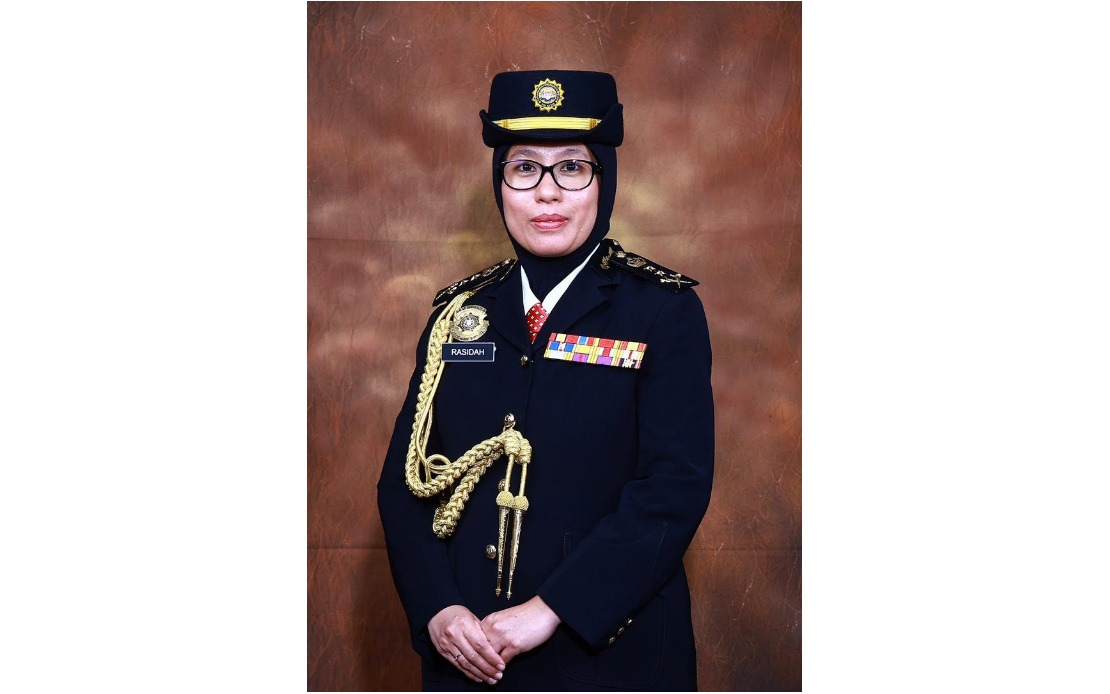
According to Datuk Rasidah Abdul Karim, director of MACC's Policy, Planning and Research Division, the forum has been structured to create meaningful dialogue on the corruption challenges that confront the region in an increasingly complex global landscape. Participants will exchange experiences regarding innovative enforcement strategies, discuss prevention methodologies that have proven effective in different national contexts, and identify opportunities for collaborative capacity building initiatives that strengthen institutional resilience across the board.
A particular area of focus will be integrity frameworks for major infrastructure development. The secretariat will host a specialised seminar examining how anti-corruption principles can be embedded into large-scale project implementation, addressing governance vulnerabilities, managing corruption risk systematically, and ensuring transparency throughout the development cycle. This thematic emphasis reflects growing regional concern about how infrastructure investments—critical to ASEAN's economic development—can be protected from illicit interference and malfeasance.
For Malaysia, the hosting role carries symbolic weight beyond the immediate agenda. It demonstrates the nation's ongoing investment in multilateral anti-corruption cooperation and positions MACC as a thought leader in Southeast Asian governance standards. The meeting also allows Malaysia to showcase institutional best practices and reinforces the country's position within international frameworks committed to transparency, integrity, and accountable administration.
The secretariat recognises that effective anti-corruption work increasingly requires coordinated international action and knowledge exchange. Discussions will be anchored in established international frameworks and global governance norms, enabling member agencies to align their approaches with worldwide standards while remaining responsive to regional specificities and local institutional contexts. This balance between global alignment and regional customisation has become essential as corruption networks themselves operate across borders and exploit differences in regulatory environments.
Beyond formal deliberations, the programme includes cultural and networking components designed to build personal relationships among anti-corruption professionals across the region. Hosting delegates will experience Malaysia's cultural heritage whilst fostering the informal connections that often prove invaluable when agencies need to collaborate on cross-border investigations or intelligence sharing. These softer dimensions of multilateral engagement frequently determine the effectiveness of subsequent operational cooperation.
The timing of this meeting coincides with a period of renewed focus on governance standards throughout ASEAN. As the region navigates complex geopolitical dynamics and accelerating economic integration, the integrity of institutions and the credibility of enforcement mechanisms have become increasingly central to investor confidence and public trust. A strengthened ASEAN-PAC, with enhanced coordination and shared commitment to anti-corruption principles, contributes directly to the region's stability and attractiveness as an investment destination.
For Malaysian observers, the meeting underscores domestic anti-corruption efforts within a broader regional and international context. MACC's leadership of ASEAN-PAC discussions positions the commission as an active participant in shaping governance norms across Southeast Asia, influencing how neighbouring countries approach enforcement, prevention, and institutional reform. This external engagement also reflects back onto domestic operations, as international partnerships enhance MACC's own analytical capacity and operational reach.
The secretariat meeting also provides an opportunity to assess progress on previously agreed initiatives and identify emerging corruption trends that transcend national boundaries. Human trafficking networks, environmental crimes, procurement fraud in infrastructure development, and digital-era corruption methods present challenges that no single anti-corruption agency can adequately address alone. Regional cooperation mechanisms like ASEAN-PAC have become essential infrastructure for addressing transnational corruption effectively and maintaining institutional legitimacy in the eyes of ASEAN citizens.

