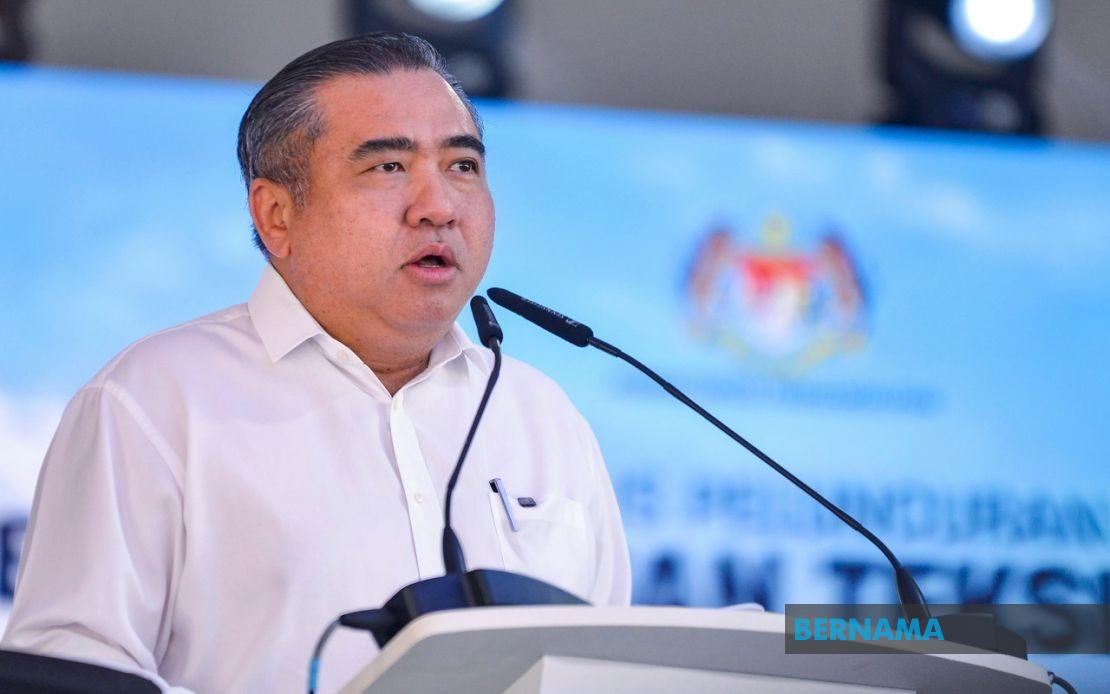
Malaysia's taxi industry is undergoing a fundamental transformation with the launch of the National MADANI Taxi Reform Programme, which replaces the traditional leasing model that has dominated the sector for decades. Transport Minister Anthony Loke announced at the programme's official launch at Dataran Merdeka that participating taxi drivers will now acquire full legal ownership of their vehicles, a development that has received special approval from the Ministry of Finance. The shift represents a substantial departure from conventional arrangements where drivers paid regular lease payments to fleet operators, often leaving them with limited equity or asset accumulation after years of service.
The ownership restructuring addresses a longstanding grievance within Malaysia's taxi community. Under the previous leasing framework, drivers bore operational risks and maintenance costs while accumulating minimal personal assets. The new financing model, while still involving financial institutions, transfers ownership directly to the driver from the outset, fundamentally altering the economic relationship between drivers and the vehicles they operate. This change reflects broader policy recognition that sustainable improvements in the taxi sector require drivers to have genuine stakes in their livelihoods. Loke's emphasis that "ownership remains with the driver" underscores the government's intent to distinguish this initiative clearly from past schemes that maintained leasing structures under different branding.
The Proton S70 sedan has been selected as the standardised vehicle for the reformed taxi fleet, chosen specifically for its integrated safety systems, passenger comfort specifications, and fuel-efficient performance characteristics. This selection signals a modernisation agenda that extends beyond ownership models to encompass vehicle quality and driver-passenger experience improvements. The S70, as a locally-manufactured vehicle, also supports Malaysia's automotive manufacturing sector, creating potential downstream benefits for Proton and component suppliers. The standardised approach simplifies fleet management, maintenance coordination, and spare parts availability—advantages that individual operators struggled to achieve when managing heterogeneous vehicle fleets.
Visual branding changes accompany the mechanical and ownership reforms. The new taxis will abandon the iconic roof-mounted taxi toppers that have characterized Malaysian cabs for generations, adopting instead a contemporary aesthetic more aligned with regional and global taxi standards. The vehicles will carry distinctive registration plates beginning with the letters "GET," creating immediate visual differentiation and suggesting potential for specialised traffic management or regulatory tracking. These symbolic changes, while seemingly cosmetic, represent the programme's broader commitment to repositioning taxis as modern transport assets rather than legacy vehicles reliant on outdated visual markers.
Revenue diversification forms a critical component of the MADANI initiative's sustainability architecture. The introduction of digital advertising screens within taxi cabins creates an additional income stream for drivers beyond fares, addressing the persistent challenge of insufficient earnings that has plagued the sector. This innovation mirrors successful implementation models in other major Asian cities where in-vehicle advertising generates meaningful supplementary revenue. The approach recognises that taxi earnings alone have become insufficient to sustain driver livelihoods in Malaysia's contemporary economic environment, particularly given rising operational costs and fuel expenses. By integrating advertising, the programme attempts to improve take-home income without imposing fare increases that might reduce passenger demand.
Digital integration through e-hailing platform connectivity addresses a critical competitive disadvantage that traditional taxis have faced against ride-sharing services. Rather than treating e-hailing applications as threats, the MADANI programme positions digital booking systems as complementary channels that expand driver income opportunities. This convergence strategy acknowledges the transportation market's irreversible shift toward digital intermediation while enabling traditional taxi operators to participate in these networks. The collaboration between the ministry and private sector suggests a pragmatic recognition that technological integration requires partnership rather than regulatory confrontation. For passengers, this development potentially increases taxi availability through multiple booking channels while maintaining the regulatory oversight and licensing standards that distinguish taxis from unregulated alternatives.
The programme's institutional architecture reflects sophisticated coordination across multiple government agencies. Prime Minister Datuk Seri Anwar Ibrahim's direct participation in the launch ceremony signals executive-level commitment to taxi sector transformation. The presence of Hannah Yeoh, Minister in the Prime Minister's Department (Federal Territories), and Kuala Lumpur mayor Datuk Seri Fadlun Mak Ujud underscores alignment between federal policy and municipal implementation. This multi-level governmental engagement suggests that the MADANI initiative extends beyond Transport Ministry jurisdiction to encompass broader urban mobility planning and federal territory development priorities.
The ownership model carries significant implications for driver financial capacity and sector stability. Drivers transitioning from leasing to ownership will develop equity positions in depreciating assets, altering their long-term financial incentive structures. This shift encourages vehicle maintenance investment and operational efficiency, as drivers now directly benefit from reduced maintenance costs and extended vehicle lifespan. However, the ownership model simultaneously exposes drivers to asset depreciation risks and financing obligations that leasing arrangements previously insulated them from. Financial literacy and access to suitable financing institutions become critical success factors, requiring complementary support mechanisms beyond the ownership transfer itself.
The MADANI programme reflects broader Southeast Asian trends toward formalising and upgrading traditional transport sectors in response to digitisation and urbanisation pressures. Malaysia's approach—combining ownership restructuring, vehicle standardisation, digital integration, and revenue diversification—provides a potential policy template for regional peers confronting similar taxi industry challenges. The programme's success will depend substantially on implementation execution, including driver financing accessibility, advertising revenue realisation, and digital platform functionality. For Malaysian passengers and businesses, the modernised taxi fleet promises improved service quality, competitive alternatives to ride-sharing applications, and sustained availability of regulated transport options across urban and peri-urban areas.

