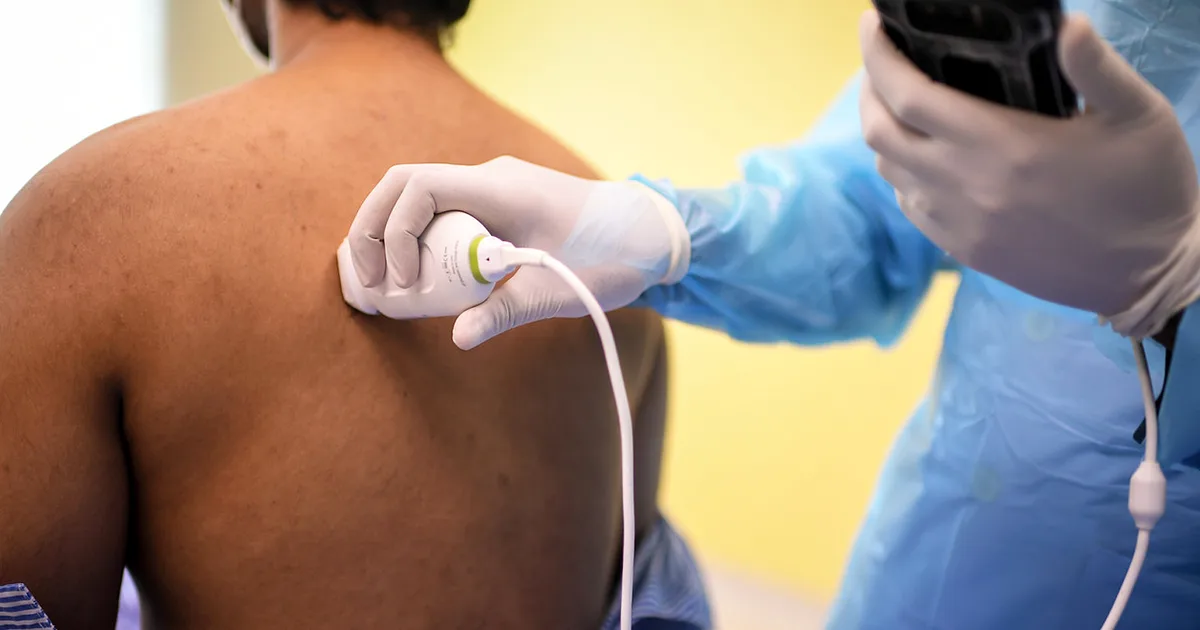
Malaysia is positioning itself to capture RM50 billion in medical technology exports by the end of this decade, a significant milestone that reflects the government's determination to transform the nation into a knowledge-driven economy. Deputy Prime Minister Zahid has articulated this vision as central to the country's economic diversification strategy, signalling that policymakers recognise the urgent need to move beyond traditional manufacturing roles toward higher-value activities in the global healthcare sector.
The emphasis on developing homegrown technology and securing intellectual property ownership marks a strategic pivot in how Malaysia approaches industrial development. Rather than continuing to function primarily as a contract manufacturer for multinational corporations—a role that typically yields modest margins and limited control over innovation—the government is advocating for domestic companies to create proprietary medical devices, diagnostic tools, and healthcare solutions that carry Malaysia's stamp internationally. This shift reflects lessons learned from decades of manufacturing-driven growth, which, while economically significant, left Malaysian firms vulnerable to labour cost competition from neighbours and technology transfer limitations.
The medical technology sector presents particularly compelling opportunities for Malaysia given the region's demographic trends and healthcare imperatives. Southeast Asia faces mounting pressure from ageing populations, rising chronic disease burdens, and expanding middle-class demand for quality healthcare. Companies that can develop affordable, innovative solutions tailored to Asian healthcare systems stand to capture enormous market share across the region and beyond. Malaysia's existing manufacturing infrastructure, skilled workforce in electronics and precision engineering, and strategic geographic position position it well to become a hub for medical device innovation serving both developed and emerging markets.
Achieving the RM50 billion export target by 2030 will require substantial investment in research and development capabilities, particularly in universities and government research institutions. Malaysia currently invests a relatively modest proportion of GDP in research and development compared to more advanced economies, and closing this gap is essential if domestic firms are to generate the breakthrough innovations necessary to compete globally. The government will likely need to expand funding mechanisms, establish innovation clusters, and create regulatory pathways that allow promising technologies to reach market faster without compromising safety standards.
Intellectual property development represents perhaps the most critical differentiator between manufacturing and innovation. Malaysian companies that successfully patent medical technologies, develop proprietary processes, and build brand recognition in international markets will generate far greater returns than those merely assembling components designed elsewhere. This requires not only technical expertise but also understanding international IP frameworks, navigating patent systems in multiple jurisdictions, and building the commercial acumen to licence or market innovations globally. Government support programmes should explicitly target these capabilities alongside pure technological development.
The timeline of 2030 represents an aggressive but not impossible target, roughly seven years from the present. For context, achieving this would require Malaysia's medical technology sector to grow at approximately fifteen to twenty percent annually, depending on current baseline figures. This is achievable if the government couples aspirational targets with concrete policy support, including tax incentives for research-intensive firms, streamlined regulatory approvals for innovative medical devices, and partnerships between academic institutions and industry that accelerate commercialisation of discoveries.
Regional competition for dominance in medical technology is intensifying. Singapore, South Korea, and increasingly Vietnam are all pursuing similar strategies to position themselves as innovation hubs in healthcare technology. Malaysia's advantage lies partly in its lower operating costs compared to Singapore and partly in its larger domestic market and regional connections compared to smaller competitors. However, this advantage is neither permanent nor guaranteed—Malaysian firms must demonstrate genuine innovation capability and customer value proposition to sustain export growth.
The broader economic significance of this initiative extends beyond the medical technology sector itself. Successfully transitioning Malaysia toward innovation-driven industries demonstrates that the country can compete on quality and originality rather than merely on cost. Such a transition provides a template for other sectors where Malaysia currently functions as a contract manufacturer or low-cost producer. It also signals to multinational investors that Malaysia aspires to attract high-value operations, research facilities, and talent—roles that generate better-paying jobs and more stable long-term competitiveness.
Implementation challenges should not be understated. Malaysian firms often lack experience navigating the complex regulatory environments of developed markets where medical devices face stringent approval requirements. Building brands and customer trust internationally takes years and requires consistent quality delivery. Many promising innovations fail commercialisation not because the technology is flawed but because entrepreneurs lack marketing, regulatory, and business acumen. Government support programmes should address these gaps through mentoring, export assistance, and connections to international partners.
The RM50 billion target also reflects evolving government priorities regarding healthcare supply chain resilience. The pandemic exposed vulnerabilities in global medical device and pharmaceutical supply chains, prompting countries worldwide to develop domestic capabilities for critical healthcare products. Malaysia's push to expand medical technology exports aligns with this global trend toward greater self-sufficiency and regional production networks for essential healthcare items.
Successfully executing this vision requires alignment across multiple government agencies, from the Ministry of Health to the Malaysian Investment Development Authority, alongside active engagement from the private sector and educational institutions. Clear regulatory frameworks for medical device approval, intellectual property protection, and export financing will prove decisive in determining whether ambitious targets translate into concrete results.

