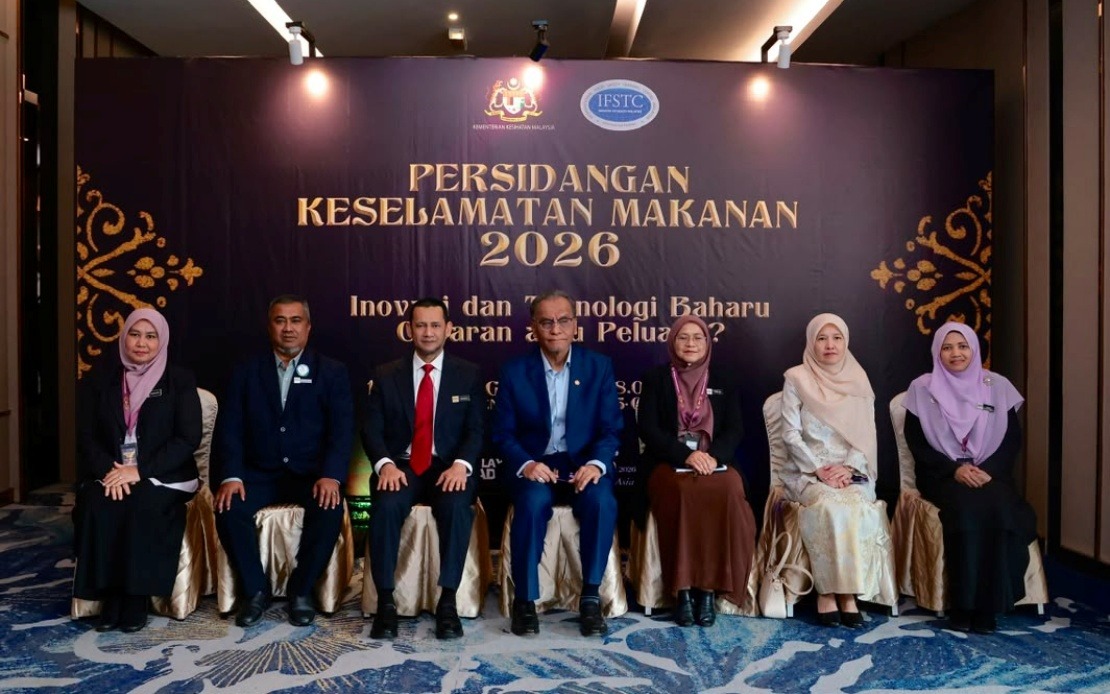
Malaysia has formally joined the Asia-Pacific Food Regulatory Authority Summit (APFRAS) as part of a comprehensive strategy to enhance food safety governance across the region through digital innovation and regulatory coordination. The Cabinet approved the membership decision on June 12, signalling the government's commitment to transforming how the nation manages an increasingly complex food supply system. Health Minister Datuk Seri Dr Dzulkefly Ahmad announced the membership at a ceremony in Putrajaya that also marked the opening of the 2026 Food Safety Conference, underscoring the significance of the step for Malaysia's public health infrastructure.
The decision to join APFRAS reflects Malaysia's evolving role as a regional leader in food safety standards. Dr Dzulkefly described the membership as positioning Malaysia as a "Smart Gatekeeper" at the Asia-Pacific level, enabling the nation to lead digital transformation initiatives in food safety governance. This designation carries substantial weight, as it acknowledges Malaysia's capacity to influence regulatory frameworks across a region where food safety challenges span multiple countries and complex supply chains. The appointment places Malaysia at the forefront of addressing emerging issues such as biodegradable packaging regulation and legislative harmonisation for novel food products that increasingly feature in regional trade.
The urgency behind Malaysia's APFRAS membership becomes apparent when examining the nation's food import trajectory. Over the past decade, Malaysia's reliance on imported food has grown dramatically, surging from RM42.6 billion in 2013 to RM78.9 billion in 2023—an 85 per cent increase that fundamentally reshapes the country's food security landscape. This escalation means that the vast majority of food consumed by ordinary Malaysians now traverses lengthy, multifaceted global supply chains that cross numerous international borders. Such dependency creates inherent vulnerabilities, requiring sophisticated monitoring systems and regulatory frameworks that can operate seamlessly across jurisdictions where standards and enforcement mechanisms may differ substantially.
The complexities embedded in these extended supply chains present challenges that no single country can effectively manage in isolation. Food products now typically pass through multiple intermediaries, storage facilities, and transportation networks before reaching Malaysian consumers, each stage introducing potential contamination risks or quality degradation. The fragmented nature of global food commerce means that a food safety incident in a distant supplier country can rapidly manifest in Malaysian supermarkets and homes. Regional coordination through mechanisms like APFRAS becomes essential for establishing common safety benchmarks, sharing real-time information about emerging threats, and coordinating rapid responses when problems occur.
To address these vulnerabilities, Malaysia's Health Ministry is actively investing in cutting-edge technologies that promise to revolutionise how food safety is monitored at entry points. Artificial intelligence and predictive analytics represent the ministry's primary technological focus, offering the potential to identify contamination risks and supply chain anomalies far more rapidly than traditional inspection methods. These tools can process vast amounts of data from multiple sources—laboratory results, supplier certifications, shipping records, and historical risk profiles—to flag shipments requiring additional scrutiny. The implementation of such systems positions Malaysia ahead of many regional peers in developing the sophisticated infrastructure necessary to manage modern food security challenges.
Dr Dzulkefly emphasised that joining APFRAS directly supports two critical national policy frameworks: the National Food Safety Policy and the National Food Security Policy. These policies represent Malaysia's comprehensive approach to ensuring that citizens have reliable access to safe, nutritious food while minimising exposure to foodborne hazards and contaminants. By aligning with APFRAS initiatives, Malaysia can leverage regional expertise and resources to strengthen these policies, learning from neighbouring countries' experiences while contributing its own technological and regulatory innovations. The synergy between national policy objectives and regional cooperation creates a layered defence system where global best practices inform local implementation.
The 2026 Food Safety Conference, which convened over 300 participants in Putrajaya, reflects the scale of engagement around these issues across the Asia-Pacific region. The conference's theme—"New Innovations and Technologies: Challenges or Opportunities?"—captures the central tension facing food regulators today. Emerging technologies and novel food products offer efficiency gains and expanded consumer choice, yet they simultaneously introduce regulatory blind spots and safety uncertainties. Participants from across the region deliberated on how to balance innovation incentives with precautionary safety measures, discussing evidence-based control methodologies and approaches grounded in scientific validation rather than outdated assumptions.
Malaysia's APFRAS membership carries implications that extend beyond the health sector into economic and diplomatic dimensions. Food safety standards increasingly function as implicit trade barriers, with stricter requirements potentially disadvantaging suppliers from less-developed regulatory environments. By participating in regional standard-setting through APFRAS, Malaysia can help shape frameworks that are rigorous yet commercially viable, protecting consumers without unnecessarily restricting market access for compliant producers. This balancing act requires diplomatic finesse and technical expertise, positioning Malaysia as a bridge between developed and developing economies with varying regulatory capacities.
The regulatory harmonisation agenda that Malaysia has committed to through APFRAS membership addresses a longstanding source of friction in regional food trade. Currently, different APFRAS member states maintain divergent requirements for food labelling, ingredient specifications, and safety testing protocols, forcing exporters to maintain multiple product variants and increasing compliance costs. By working toward common standards for issues like biodegradable packaging materials and innovative food products, APFRAS can reduce these inefficiencies while simultaneously enhancing consumer protection. For Malaysian consumers, harmonised standards mean greater choice and competitive pricing, as suppliers can more easily serve multiple markets with standardised products.
The appointment of Malaysia as a regional leader in digital food safety governance reflects confidence in the nation's technical capabilities and institutional maturity. The Health Ministry's existing infrastructure, coupled with its willingness to invest in emerging technologies like artificial intelligence, positions Malaysia to serve as a proving ground for innovative approaches to food safety oversight. Other regional nations may look to Malaysia's implementation of AI-driven monitoring systems as a model for their own food safety investments, creating a demonstration effect that accelerates regional adoption of evidence-based, technology-enabled governance approaches.
Looking forward, Malaysia's APFRAS membership represents a watershed moment in the nation's approach to food security. Rather than viewing the 85 per cent increase in food imports as a challenge to be managed defensively, the government has recognised it as an opportunity to establish regional leadership in sophisticated food safety governance. Through APFRAS participation, Malaysia can convert its position as a major food importer into institutional influence over the regulatory frameworks governing regional food trade. This strategic repositioning should enhance both consumer safety and Malaysia's standing as a centre of regulatory innovation in Asia-Pacific, demonstrating that food security and economic openness need not be mutually exclusive policy objectives.

